About Lehe
乐于心,和与众,与己乐,与人和; 心宽念纯,百病无生。

乐于心,和与众,与己乐,与人和; 心宽念纯,百病无生。



在所有的恶性肿瘤中,乳腺癌属于治疗效果相对较好的癌种,根据国家癌症中心的最新数据,我国乳腺癌的总体五年生存率已经达到83%,但对于不同分期阶段的乳腺癌患者,五年生存率仍存在显著差异,Ⅰ期:94%,Ⅱ期:84%,Ⅲ期:65%,Ⅳ期:21%。由此可见对于晚期乳腺癌患者目前的治疗效果仍不尽人意。
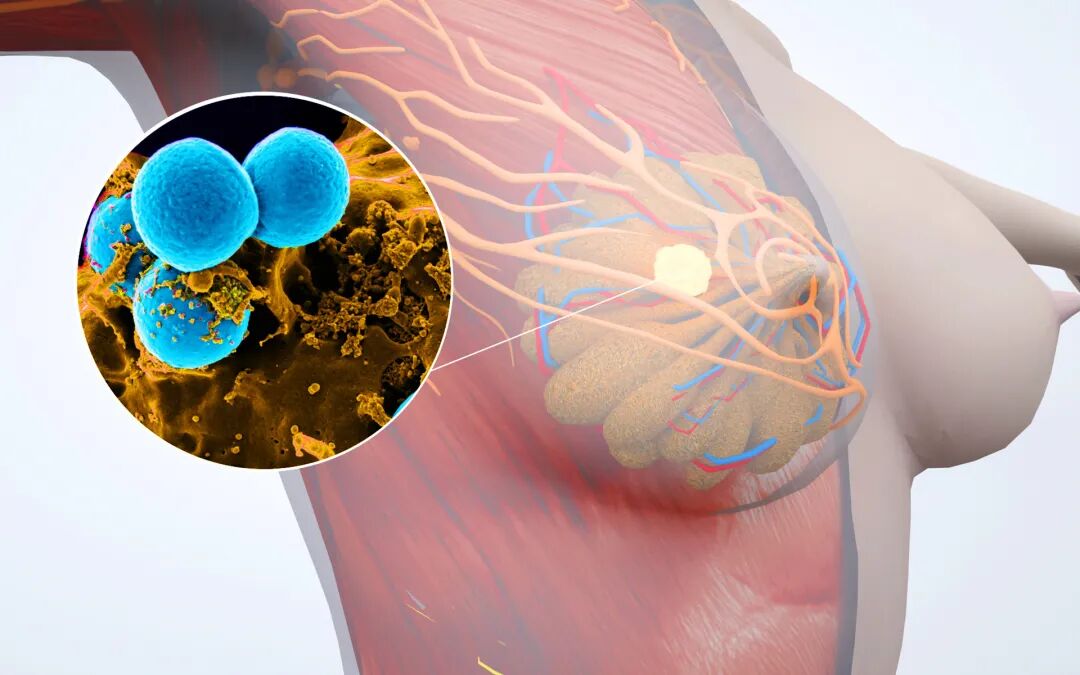
那么,在科学快速发展的今天,有没有一种方法能让晚期乳腺癌患者也获得良好的治疗效果呢?魏女士的治疗过程或许会给到我们一些启发。
Overview of the illness
由于初诊时即为Ⅳ期乳腺癌,经过化疗后获得手术切除机会,但术后病理提示多种复发高危因素,且在治疗后的复查中腰椎病灶仍有活性可能,所以魏女士及家人甚为担忧出现病情进展。故多方求医,欲寻找能够长期控制肿瘤的治疗手段。后来一个偶然的机会魏女士家人了解到清华大学医学院张明徽教授的vNKT细胞治疗技术,参考了既往的治疗案例,对此治疗技术产生极大兴趣,后与我们取得联系。
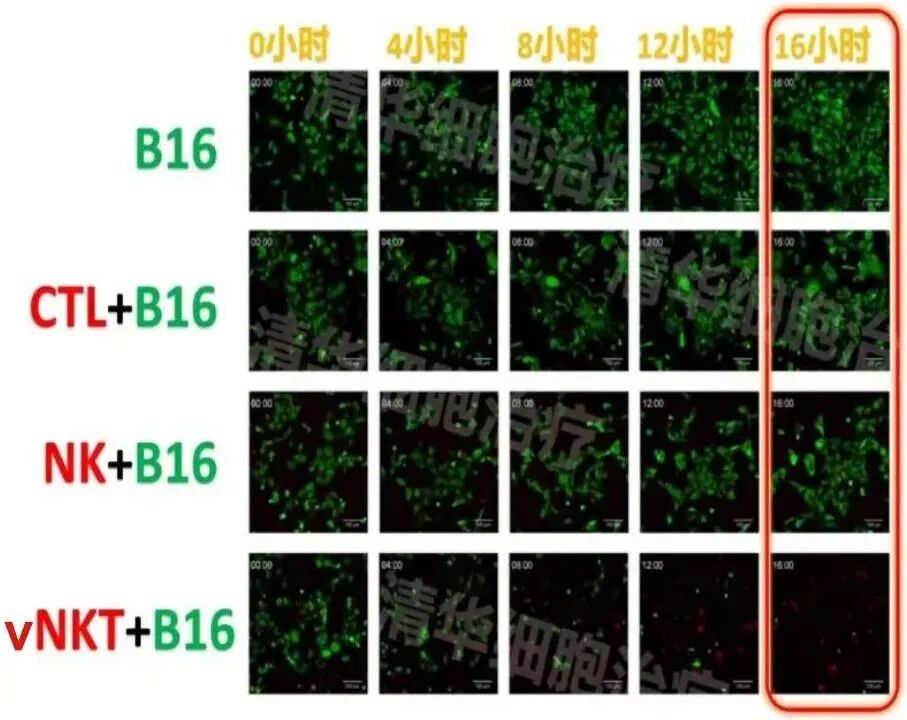
Experimental conditions: In the presence of vNKT cells, after 16 hours, nearly all B16 tumor cells were killed!
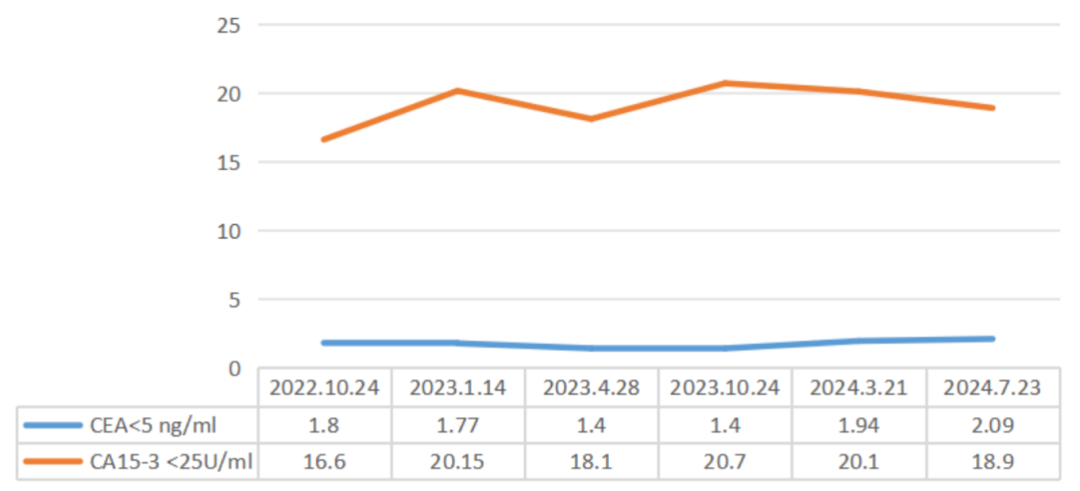
Changes in tumor markers
Imaging changes
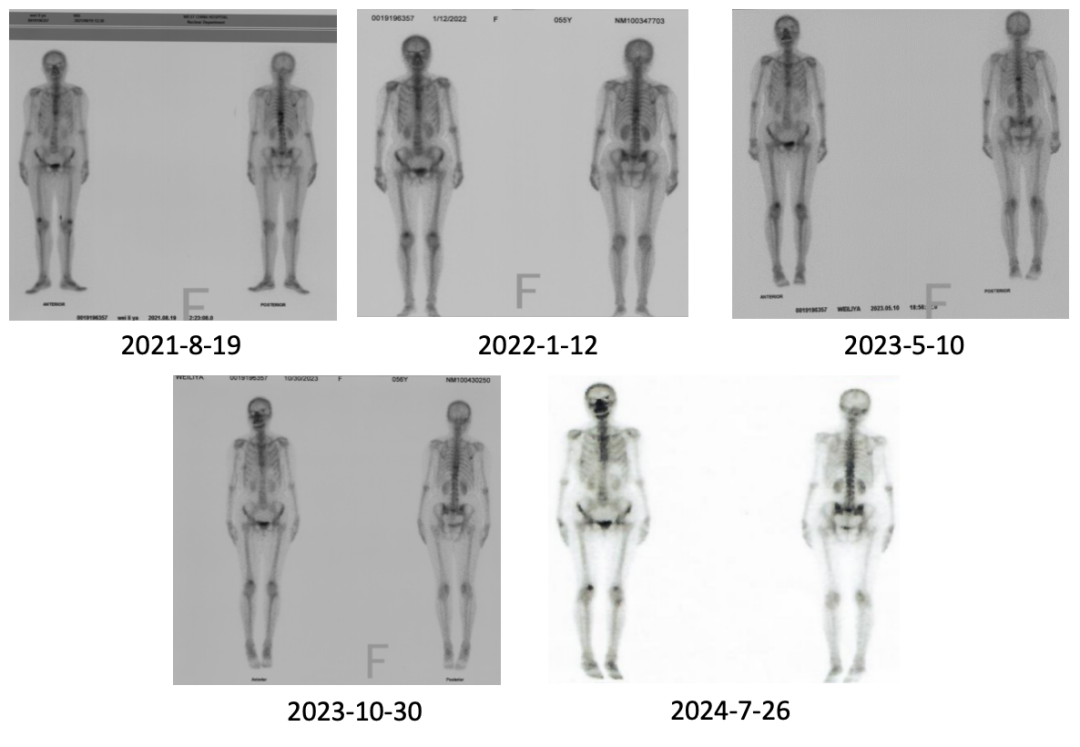
Bone scans showed the following on August 19, 2021: 1. Metabolic enhancement in the right 6th costovertebral segment and T9 vertebral body, suggesting tumor bone metastasis; 2. Metabolic enhancement in T10-12 vertebral bodies, with bone metastasis not excluded. On January 12, 2022, scans showed punctate and patchy increased radioactive concentration in T9-T12 vertebral bodies. On May 10, 2023, scans revealed metabolic enhancement in some thoracolumbar vertebral bodies, suggesting possible tumor metastasis. Compared to the bone imaging on January 12, 2022, the metabolic level of T9 vertebral body slightly increased. On October 30, 2023, scans showed metabolic enhancement in T9 vertebral body with reduced density. On July 26, 2024, scans indicated the following: 1. Metabolic enhancement in some thoracolumbar and sacral vertebral bodies, as well as in the lower part of the right scapula, suggesting changes after tumor bone metastasis treatment, with no significant change compared to previous bone metabolic levels. 2. Metabolic enhancement in the right 6th posterior costovertebral segment near the axillary region, likely due to changes after treatment.
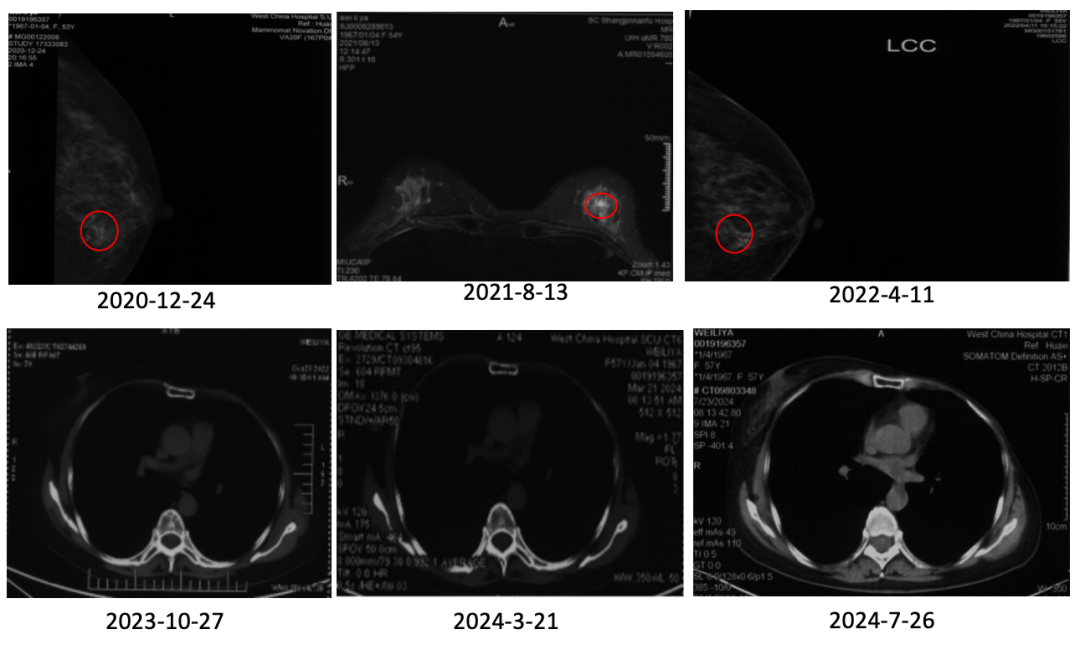
Conclusion and Commentary

Since the discovery of vNKT cells in 2002, Professor Zhang Minghui's research team has embarked on a research journey spanning over 20 years, accumulating treatment experience from over 700 cases of solid tumors, covering almost all common solid tumors. The research results fully demonstrate the immense value of vNKT in the treatment of solid tumors, making it suitable for postoperative patients with high pathological malignancy or a risk of recurrence; patients who require conventional chemoradiotherapy but cannot tolerate it; patients whose tumors have been basically controlled but not cured after conventional treatments such as chemotherapy, radiotherapy, and targeted therapy; and patients with persistent high carcinogenic factors. If these patients do not receive effective follow-up treatment after traditional anti-tumor therapy, recurrence, metastasis, or reoccurrence of tumors will be highly probable. In this case, vNKT cell therapy is an ideal follow-up treatment method, which can significantly improve the prognosis of patients.

Click on the image to view the exciting content from previous issues

Address: Room 1101 (Unit 101), 11th Floor, Building 1, No. 7 Courtyard, Kexueyuan Road, Life Science Park, Changping District, Beijing
Phone:010-8265 9866
Email:lehemedneo@hotmail.com