About Lehe
乐于心,和与众,与己乐,与人和; 心宽念纯,百病无生。


乐于心,和与众,与己乐,与人和; 心宽念纯,百病无生。


. Surgery was done, chemotherapy was administered, and even targeted drugs were taken, yet this cancer just won't go away!
. This is the greatest helplessness felt by many patients who are repeatedly plagued by cancer after surgery. Some of them may have recurrences, some may have distant metastases, and some may have developed new cancers ...
. Today, we will uncover the pitfalls that patients in the critical recovery period after cancer surgery are prone to fall into through a real case. Many are unaware of the second pitfall.
Ms. Ding, who has always been healthy 2022, has been feeling a pain in her stomach for the past monthThe patient felt comfortable, but also experienced bloody stools, so they went to the gastroenterology department for medical treatment. A series of examinations, including colonoscopy, CT scan, and tumor markers, were conducted. The results revealed the presence of a tumor on the sigmoid colon, as well as enlargement of the lymph nodes beside the left iliac vessels and mesenteric lymph nodesThe diameter of the reached 16mm, and there was also pelvic effusion.
Therefore, Ms. Ding underwent a laparoscopic radical resection of the sigmoid colon under general anesthesia + with left ureteral release + and intestinal adhesion release.
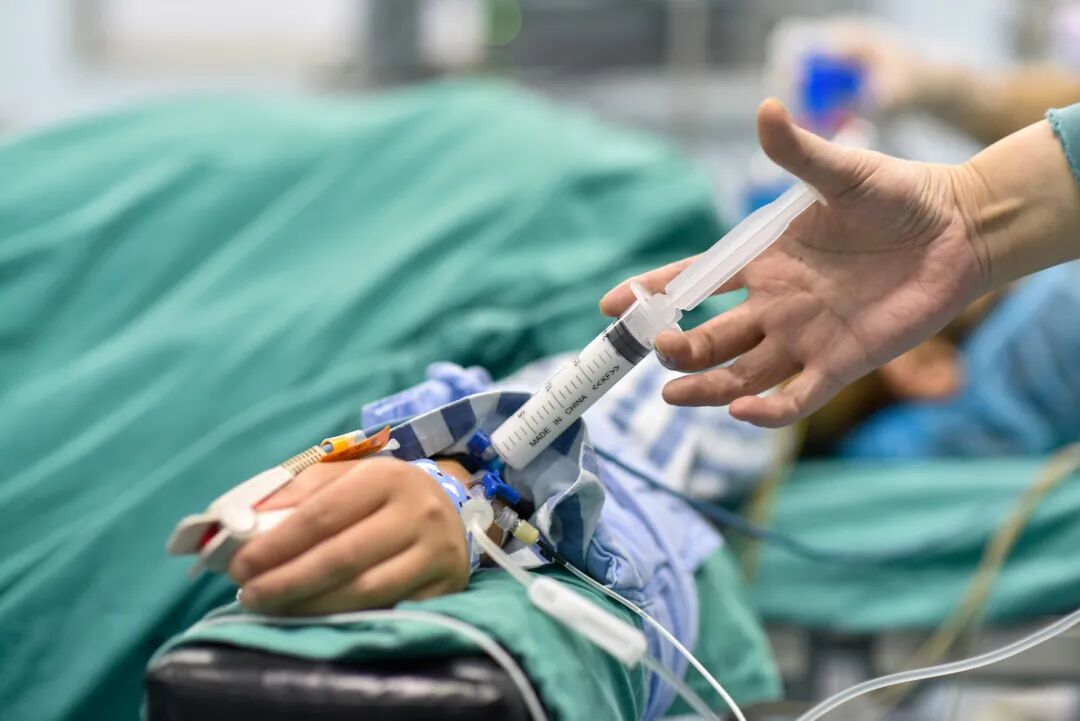
The pathology report indicated that the sigmoid colon had moderate differentiated adenocarcinoma , with a tumor diameter of of 4.2cm; Invasion depth: involving the subserous layer of the intestinal wall; No cancer was found at the proximal and distal resection margins, as well as at the mesenteric vessel stump; No vascular/ nerve invasion; 3/22 mesenteric lymph node metastasis ; No tumor implantation outside the lymph nodes.
Immunohistochemistry: MLH1 (+)PMS2 (+), MSH2 (+), MSH6 (+) , CDX-2 (+) , PCK (+), Her-2(4B5) (0), Her-2(Positive Control) (2+), P53 (+, Mutant Type), S-100 (-), CD31(-), Ki-67 (LIApproximately90%) .
Genetic testing shows: KRAS, BRAF, BRAF gene mutation is negative.
The doctor found that Ms. Ding's colon cancer has reached stage III. According to the Guidelines, postoperative , she underwent a cycle of §9192§CapeOX regimen chemotherapy was administered, during which she intermittently took traditional Chinese medicine, hoping to eliminate potential micro-metastatic foci and reduce the risk of recurrence.
So far, Ms. Ding's diagnosis and treatment for colon cancer had come to an end.
However, the good times did not last long. Just after §5051§ years§6263§, Ms. Ding's much-guarded against recurrence and metastasis did not occur. Instead, she first encountered another new type of cancer. 2024§ yearIn November, Ms. Ding was diagnosed with thyroid cancer again and underwent a left thyroid resection. At this time, she realized that the pitfalls of cancer surgery are not just one, and recurrence and metastasis are just one of them.
The First Pitfall: High-Risk Factors, the Shadow of Recurrence and Metastasis
Often, doctors assess the risk of recurrence and metastasis in patients based on specific risk factors . Taking Ms. Ding's condition as an example, lymph node metastasis, Ki-67About 90%, P53mutation, is her high-risk factor.

① lymph node metastasis , cleared §7778§ lymph nodes, and found §8889§ lymph node metastasis. These cancer cells are attempting to escape by lurking in the lymphatic system.
② 0, 1, 2, 3, 4, 5, 6, Ki-67, 7, 8, 9, 10, 11, 12, 13, approximately 14, 15, 16, 17, 18, 19, 20, 90%, 21, 22, 23, 24, 25, 26, 27, 28 This indicator is not necessarily the higher the better. It is used in pathological diagnosis in sections 33, 34, 35, 36, 37, 38, 39, 40, 41, 42, 43, 44, 45, 46, 47, 48, 49, 50, 51, 52, 53, 54, 54, etc. 55, 56, 57, 58, 59, 60, 61, 62. Proliferation activity, with higher values indicating more active cancer cell division. 63, 64, 65, 66, 67, 90%, 68, 69, 70, 71, 72, already extremely dangerous. 73, 74, 75, 76, 77, 78, numerical values, 79, 80, 81, 82, 83, 84, 85, 86, 87, 88, 89, 90. Symbolism: 91, 92, 93, 94, 95, 96. Tumors have strong invasiveness, are prone to metastasis in the early stages, and may rapidly recur after postoperative chemotherapy.
③ P53Mutation, P53 is an important tumor suppressor gene. Its mutation, can cause cells to lose the ability to repairDNA errors, and also make tumors more invasive and more prone to developing drug resistance.
Second pitfall: predisposition to cancer, always inviting cancer to come knocking at the door
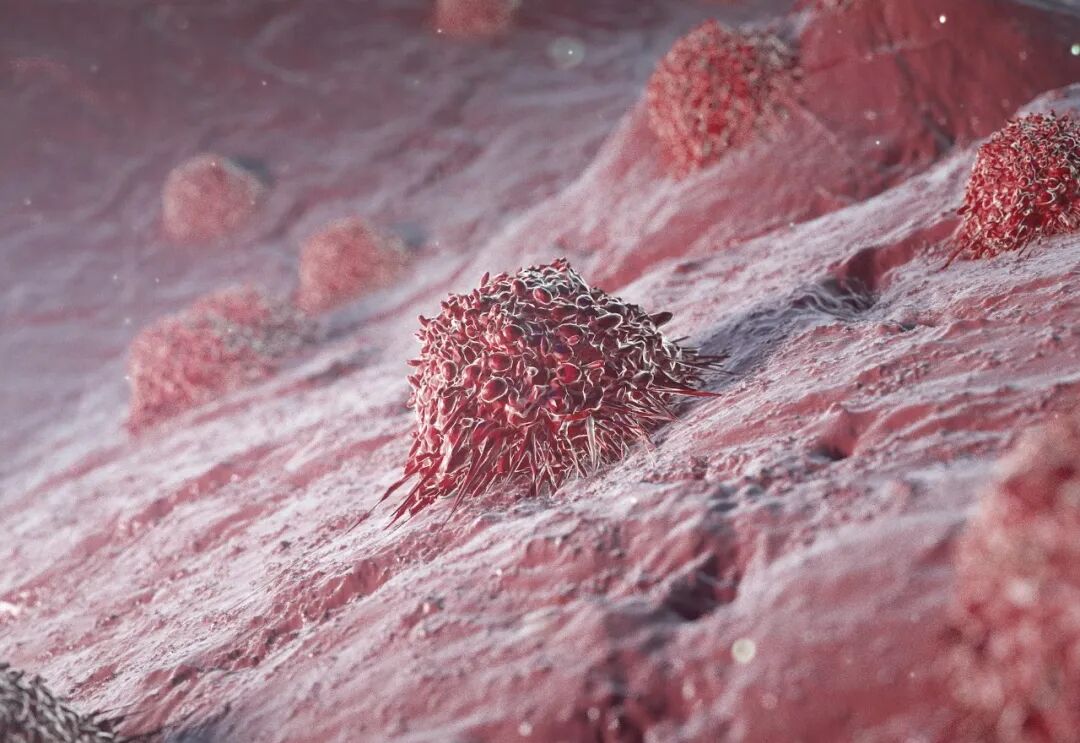
"Cancer-prone constitution" refers to a physical state where an individual has a higher risk of developing cancer. After a certain period of time, Ms. Ding was diagnosed with thyroid cancer. The consecutive diagnosis of two types of cancer is not due to poor luck, but rather reflects an environment within the body that is prone to cancer. We previously mentioned mutations in P53, which can cause it to lose the ability to inhibit cell carcinogenesis and maintain genomic stability. This effect is often systemic, not only driving colon cancer but also increasing the risk of carcinogenesis in other organs such as the thyroid. However, even if cancer cells are formed at this stage, they are difficult to grow into a tumor tissue due to the monitoring effect of immune cells, unless there is a problem with your immune system! The strength of the immune system's function constitutes an important defense line for whether the human body is prone to cancer. The occurrence, development, and immune evasion of tumors reflect the insufficiency in the quantity and quality of immune cells in the body. Therefore, the first step for cancer patients who want to overcome their cancer-prone constitution is to start by transforming their immune environment.

After nearly §4849§ months of research, Ms. Ding has decided to focus her treatment approach on the vNKT cell therapy studied by Professor Zhang Minghui's team at Tsinghua University. And in Starting from vNKT§ cell therapy in §3435§, the treatment course was completed in /2 month, and by 2026§, a total of §8283§ times of reinfusion were completed.
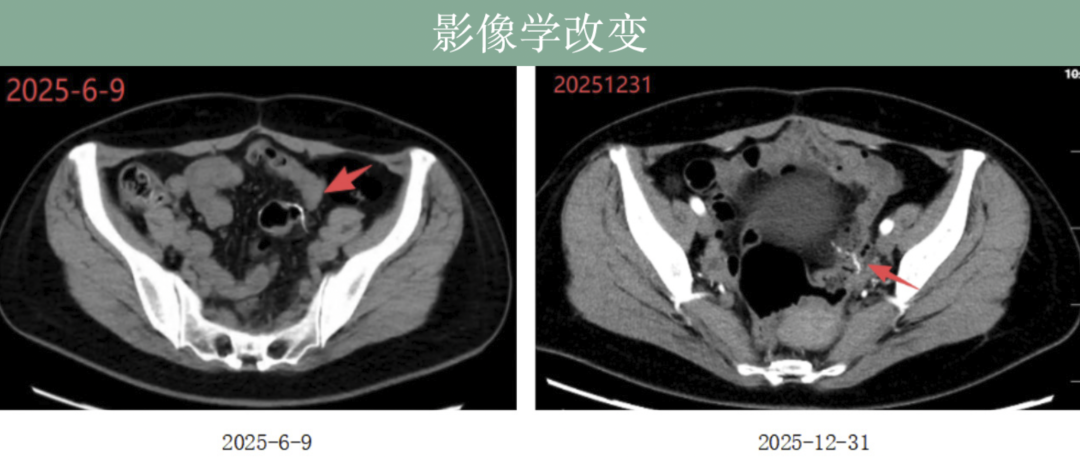
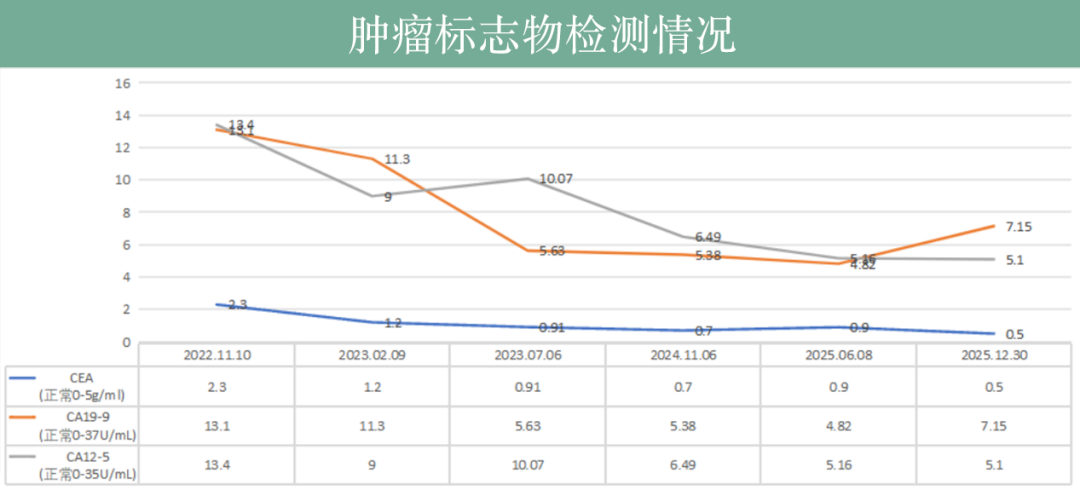
During the follow-up period, Ms. Ding underwent multiple follow-up examinations, including imaging tests, and showed no signs of recurrence. The tumor markers, including CEA and CA19-9, were within normal range. Additionally, CA12-5 was also within the normal range. Overall, the results presented no abnormalitiesThe trend of the platform is declining, and there is no abnormal increase in . No tumor activity signals are observed in . If Ms. Ding doesn't mention it, no one would know that she is suffering from two types of cancer. Her current mental state and quality of life are far better than before.
Upon reading this, please refrain from hastily considering immunotherapy as a "“universal panacea”. Is it effective? The degree of treatment matching is crucial. Let's first explore who is suitable for vNKT cell therapy?
① is suitable for postoperative patients with high pathological malignancy or a risk of recurrence;
② patients whose tumors have been basically controlled but not cured through conventional treatments such as chemotherapy, radiotherapy, and targeted therapy;
③ Patients with persistently high carcinogenic factors;
④ radiotherapy and chemotherapy intolerance.
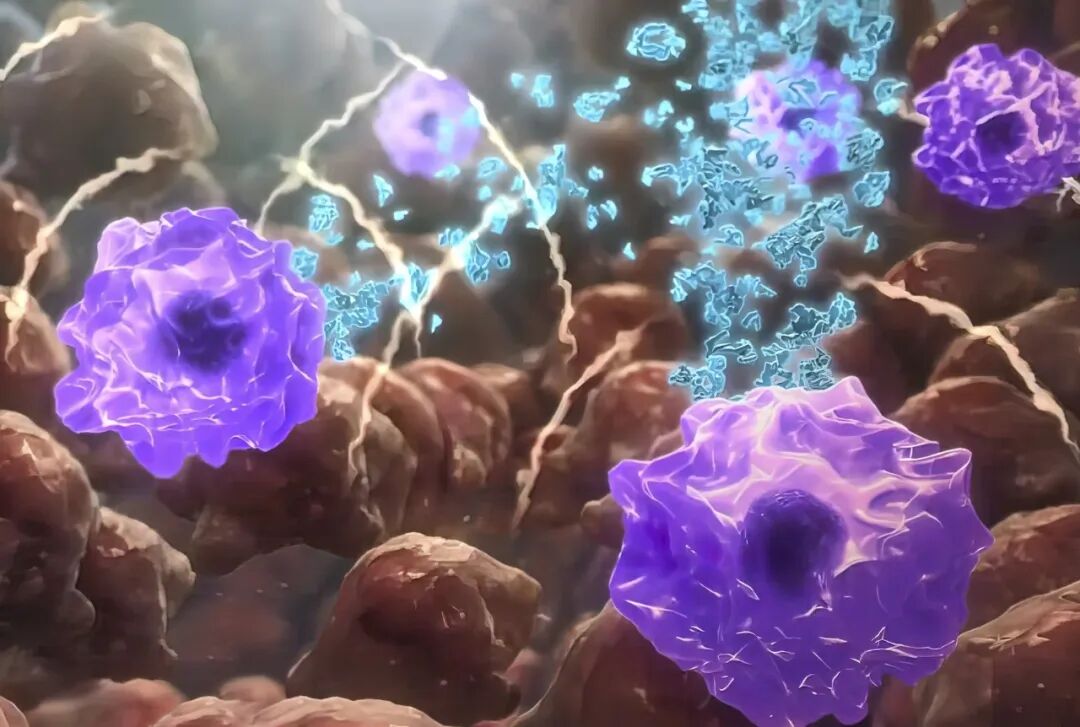
These patients, if not effectively treated with subsequent therapy after traditional anti-tumor treatment, are at high risk of recurrence, metastasis, or re-emergence of tumors. In such cases, , vNKT§ cells exhibit dual capabilities of non-specific and specific recognition of tumor cells, capable of rapidly killing tumor cells. Simultaneously, they modulate the immune microenvironment within tumor tissues, killing inhibitory immune cells MDSCs§, breaking tumor immune evasion, rebuilding the normal immune system, further preventing recurrence and metastasis , and improving cancer-prone constitution .
Experimental conditions: In the presence of vNKT cells, after 16 hours, nearly all B16 tumor cells were killed!
After cancer surgery, most people only focus on the high-risk factors of recurrence and metastasis, living in constant fear of risks every day, while ignoring the fact that immune system issues are one of the root causes of cancer development. It is also the factor that you can truly change and repair. There are not just one pitfall after cancer surgery. Follow us and let's work together to go further!

Reference:
[1]Feng, Y., Ma, W., Zang, Y. et al. Spatially organized tumor-stroma boundary determines the efficacy of immunotherapy in colorectal cancer patients. Nat Commun 15, 10259 (2024). https://doi.org/10.1038/s41467-024-54710-3
[2]Li, Z., Y. Wu, C. Wang and M. Zhang. (2019). "Mouse CD8(+)NKT-like cells exert dual cytotoxicity against mouse tumor cells and myeloid-derived suppressor cells." Cancer Immunol Immunother 68(8): 1303-1315.
Click to view past cases

Address: Room 1101 (Unit 101), 11th Floor, Building 1, No. 7 Courtyard, Kexueyuan Road, Life Science Park, Changping District, Beijing
Phone:010-8265 9866
Email:lehemedneo@hotmail.com