Leave your message or request below and we will get back to you as soon as possible.
vNKT clinical trial · patient screening form
We are conducting a clinical study on vNKT immunotherapy. This form is for preliminary screening only; saving it does not mean enrollment. Information is used for screening only; separate informed consent will be signed before formal enrollment.
Part 1: Basic information
2. Sex
years
4. Nationality
Part 2: Disease and medical history
9. Treatments received (multiple choice)
10. Performance status (ECOG reference)
Part 3: Initial screening criteria
11. Are you 18 years of age or older?
12. Are you willing to participate and able to sign informed consent?
13. Known severe allergy, especially to biological products or monoclonal antibodies?
14. Active, uncontrolled severe infection (e.g. HBV, HCV, HIV, syphilis)?
15. Severe uncontrolled cardiac disease (e.g. NYHA III–IV), lung disease, or other major organ dysfunction?
16. Active autoimmune disease or need for systemic immunosuppression?
17. Pregnant or breastfeeding?
18. Participated in another drug or device trial within the past 6 months?
Part 4: Self-report and additional information
20. What do you hope to achieve through this immunotherapy study? (multiple choice)
Tip: For extensive records, you may contact the clinical study coordinator to submit pathology, imaging, or discharge summaries.
Declaration
Privacy Policy
Thank you for trusting LEHE MedNeo. This Privacy Policy explains how we collect, use, store and protect your personal information.
1. Information We Collect
When you submit the contact form, message form, or patient screening form on this website, we collect the information you voluntarily provide, including your name, contact details (mobile / WeChat / email), city, inquiry intent, and any health-related answers in the screening form.
2. How We Use Your Information
Your information is used solely for:
Responding to your inquiry;
Arranging consultation, follow-up or clinical-study enrollment communication;
Internal statistics and service improvement, within the scope permitted by law.
3. Information Protection
We protect your personal information through encrypted transmission, minimized access permissions and regular security audits. Your information will not be disclosed or shared with any unrelated third party without your explicit consent.
4. Your Rights
You have the right to access, correct or request deletion of the personal information we hold about you. To exercise these rights, please contact us using the channels listed on this page.
LEHE MedNeo reserves the right of final interpretation of this Privacy Policy. Please edit this content in the backend under the "Privacy Policy" sidebar menu.
A male patient born in the 1990s with liver metastasis of colon cancer can use it besides chemotherapy
时间:2026-04-27 人气:
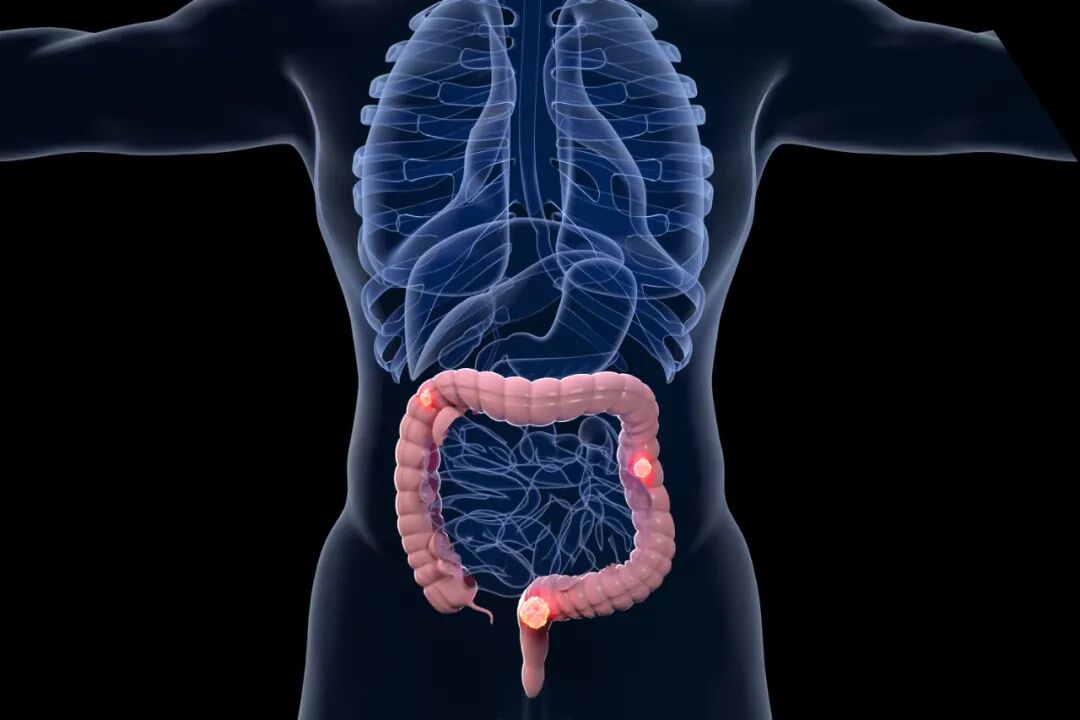
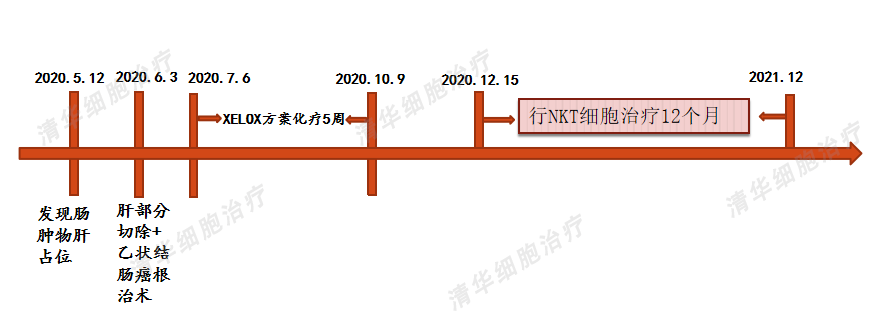
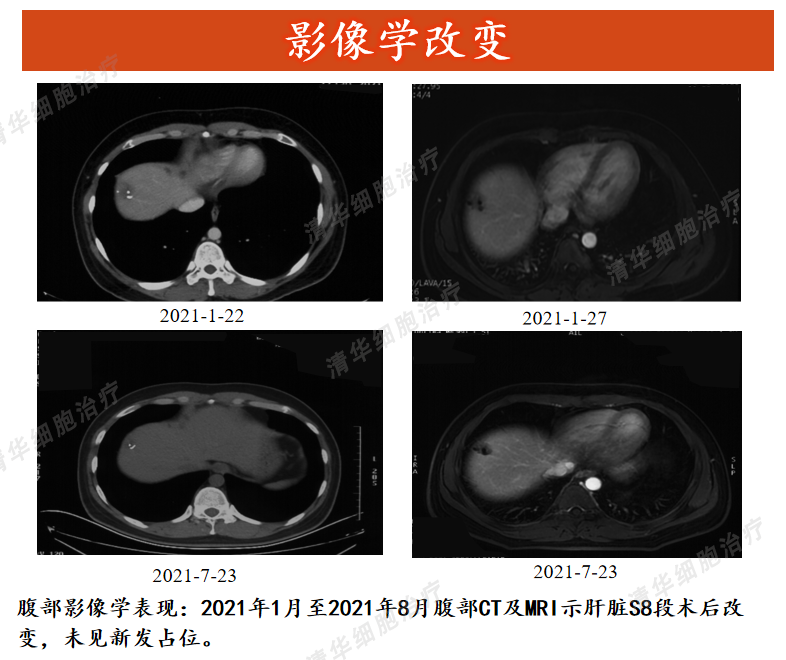
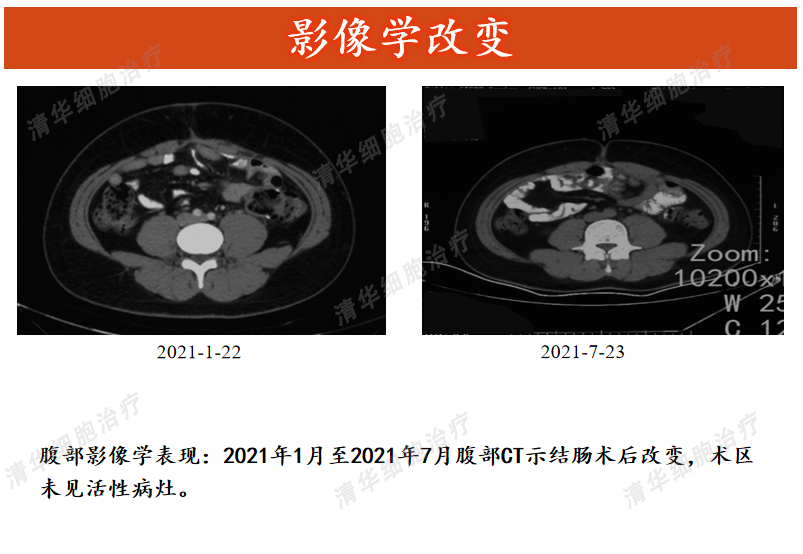
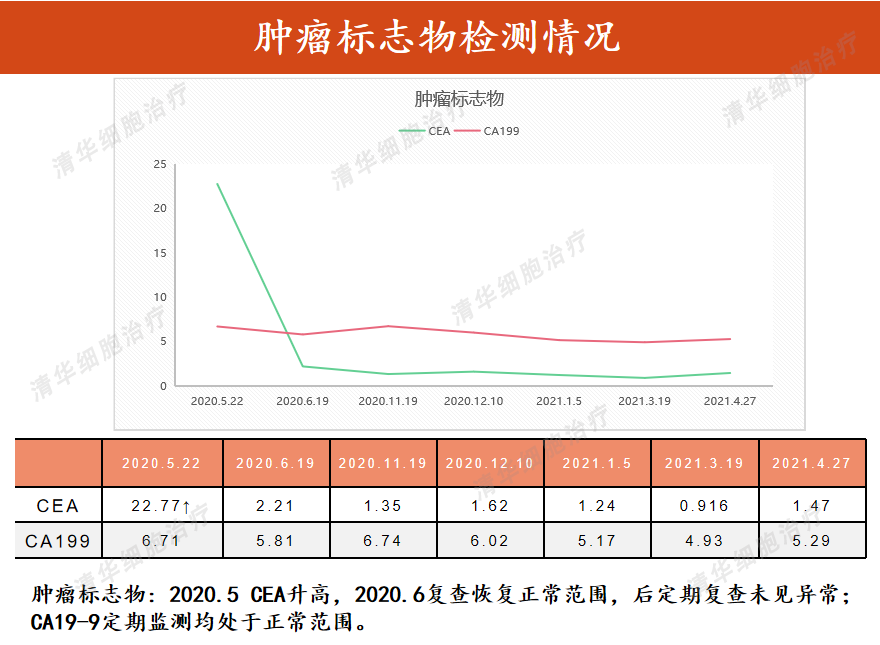
If you cannot understand the subsequent professional description, you can finish reading this text in two minutes Disease OverviewMr. Y, born in the 1990s, was previously in good health and enjoyed a wide range of hobbies, leading a carefree and youthful life. However, in May 2020, an unprovoked and unbearable abdominal pain shattered the happiness of him and his family. Upon immediate hospitalization for a CT scan, a mass in the descending colon and a space-occupying lesion in the liver were discovered, suggesting a malignant colon tumor with liver metastasis. Additionally, multiple enlarged lymph nodes adjacent to the colon and small retroperitoneal lymph nodes were present, indicating metastasis. — Advanced colon cancer! This conclusion was like a bolt from the blue for the young Mr. Y and his family! He had undergone regular physical examinations every year and had always been in good physical condition. Apart from a penchant for staying up late, he did not have any other unhealthy lifestyle habits. Suddenly facing such a serious illness was difficult for him to accept. However, he did not delay treatment and underwent partial hepatectomy and radical resection of the sigmoid colon on June 3, 2020. Postoperative pathology revealed: 1. (Sigmoid colon): Ulcerative moderately differentiated adenocarcinoma, with cancer invasion into the subserous fibrofatty tissue; visible vascular cancer thrombus and nerve invasion; pericolic lymph node metastasis (4/21), with cancer invasion beyond the lymph node capsule. Moderately differentiated adenocarcinoma was also found in the liver tissue, consistent with liver metastasis from colon cancer; no cancer was found at the resection margin of the liver. The clinical stage was pT3N2aM1 IV. Generally speaking, the lower the degree of cell differentiation, the higher the malignancy. From the pathological results, we found that Mr. Y's tumor was moderately differentiated adenocarcinoma, which is not the most malignant type. However, the tumor had already invaded deep into the intestinal wall, infiltrating into the fatty tissue, with visible vascular cancer thrombus and pericolic lymph node metastasis. This means that when the tumor cells infiltrate deeper, they have already entered the body's vascular and lymphatic networks, making liver metastasis understandable. On June 15, 2020, less than 10 days after surgery, a follow-up abdominal CT scan revealed new small lymph nodes in the mesentery, indicating that tumor cells had entered the lymphatic and blood circulation. Therefore, the patient underwent five cycles of XELOX chemotherapy. After completing the chemotherapy, according to conventional practice, no further treatment was required until the occurrence of new metastasis/recurrence, at which point the patient would re-enter the "cycle" of chemotherapy, etc.
. However, chemoradiotherapy has never been able to address the risk of futurerecurrence/metastasis, as residual tumor cells cannot be completely eradicated and the immune system has been destroyed, making them the culprit behind future lesions. Mr. Y hopes to have a treatment method that can intervene "in advance" to reduce the risk of recurrence/metastasis.Through the internet, Mr. Y learned about Professor Zhang Minghui's NKT technology at Tsinghua University School of Medicine.This technology involves the infusion of NKT immune cells, which use their powerful tumor-killing ability to eliminate residual and hidden tumor cells, thereby achieving the goal of delaying the time of recurrence and metastasis. It can also eliminate smaller lesions, with almost no side effects, making it very patient-friendly. This gave them great encouragement and they were particularly eager to try it. After reviewing Mr. Y's case, Professor Zhang Minghui made the following analysis and judgment: 1. Statistical data suggests that tumor cells in young patients are more active than those in elderly patients, making them more prone to metastasis. Mr. Y is relatively young, and although his physical condition is good, the discovery of liver and lymph node metastasis indirectly indicates that the cancer cells are relatively active. 2. Although radical surgery was performed, and visible primary and metastatic lesions were removed during the operation, vascular thrombi and neural invasion, as well as lymph node metastasis, suggest a high risk of tumor recurrence and metastasis. 3. Mr. Y has completed 5 cycles of adjuvant chemotherapy, which has cleared most of the cancer cells in his body. However, continued chemotherapy with residual cancer cells may lead to a situation where "killing a thousand enemies, but damaging eight hundred of one's own." 4. The current main goal of treatment is to inhibit the activity of tumor cells, prevent residual cells from "running amok" to other organs and forming new lesions. At the same time, repair the immune system damaged by chemotherapy drugs, prevent recurrence and metastasis, and eliminate "invisible cancer cells." On December 15, 2020, Mr. Y received the first course of NKT immune cell infusion, with an enhanced treatment regimen of 2 courses per month. As of December 2021, a total of 22 courses over 12 months have been completed. During this period, various indicators have been repeatedly checked and found to be normal, and most of the side effects left over from chemotherapy have disappeared. His mental and physical states are excellent. Imaging examination From January 2021 to August 2021, CT and MR scans revealed small cysts in the S8 segment of the liver, liver, and left kidney, all of which were post-operative changes, with no new lesions observed. Tumor MarkersTumor Markers: CEA increased in May 2020, returned to normal range after surgery in June 2020, and no abnormalities were found in subsequent regular check-ups; CA19-9 levels were within normal range during regular monitoring. Quality of LifeMr. Y's quality of life has improved significantly, with good sleep and appetite. His mental state is also very good, returning to the state before he got sick.ConclusionMr. Y's case illustrates that follow-up treatment after malignant tumor surgery is not only limited to chemotherapy as an option.NKT cell immunotherapy plays an indispensable role in the goal of delaying recurrence and metastasis. It not only eliminates residual tumor cells, but also restores the immune system previously destroyed by chemotherapy drugs. During 12 months of treatment with 22 courses, Mr. Y's multiple follow-up evaluations showed stable disease, and his overall mental and physical levels have been systematically improved.Popular science knowledge is provided for reference only, and individual patients should follow clinical medical advice.