About Lehe
乐于心,和与众,与己乐,与人和; 心宽念纯,百病无生。


乐于心,和与众,与己乐,与人和; 心宽念纯,百病无生。


If you can't understand the subsequent professional description, just take two minutes to read through this text
Overview of the Disease
Ms. Zhang underwent a physical examination in July 2020, during which a liver lesion was discovered, and the tumor marker CA19-9 was elevated to 1200U/ml (normal <40U/ml).
Subsequent examinations confirmed the diagnosis of hepatocellular carcinoma. On July 27, 2020, she underwent left hemihepatectomy and cholecystectomy. Postoperative pathology revealed: 1. (Left hemihepatectomy) poorly differentiated cholangiocellular carcinoma with extensive necrosis, tumor size 6.0×5.0×4.0cm, vascular invasion (+), multiple lymph node metastases, postoperative staging: T1N1MO IIIB. Postoperatively, she received four cycles of gemcitabine + temozolomide chemotherapy, with the addition of lenvatinib in the second cycle, but had to discontinue due to biliary leakage. Subsequently, she underwent immunotherapy with pembrolizumab.
Identification
Tumor Marker CA19-9
CA19-9 is a relevant marker for pancreatic cancer, gastric cancer, colorectal cancer, and gallbladder cancer. Numerous studies have shown that CA19-9 concentration is related to the size of these tumors, making it the most sensitive marker reported to date for pancreatic cancer. The positive rate for gastric cancer, colorectal cancer, gallbladder cancer, bile duct cancer, and liver cancer is also high, indicating that CA19-9 is a marker associated with digestive system tumors.
Serum CA19-9 levels can reflect tumor burden to some extent or suggest the possibility of micrometastases. In addition to diagnostic significance, CA19-9 can also be used to evaluate prognosis and treatment efficacy. Although elevated serum CA19-9 levels in pancreatic cancer patients after surgery may indicate recurrence or metastasis, a comprehensive judgment should be made in conjunction with imaging evidence.
Some benign diseases can also cause elevated CA19-9 levels, such as certain gynecological diseases (ovarian cysts, adenomyosis, etc.); cholecystitis, hepatitis B, etc.; thyroid-related diseases, etc. Therefore, upon discovering elevated CA19-9 levels, imaging examinations should be immediately conducted to assist in determining whether it is a malignant tumor.
Hepatocellular carcinoma
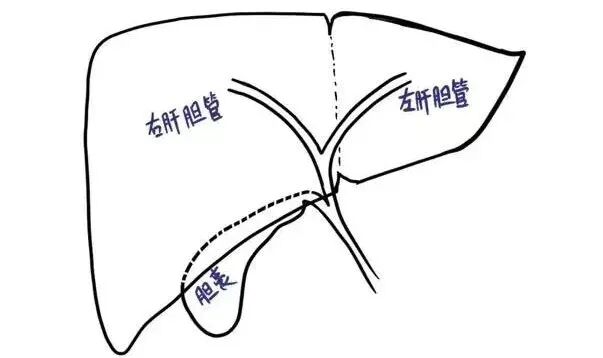
Primary liver cancer includes two types: one is hepatocellular carcinoma originating from the liver, and the other is cholangiocarcinoma originating from the intrahepatic bile duct. The incidence rate of cholangiocarcinoma is relatively low (90% of primary liver cancer is hepatocellular carcinoma), and unlike hepatocellular carcinoma, cholangiocarcinoma is more prone to lymph node metastasis.
The early symptoms of cholangiocarcinoma are not obvious, and the tumor marker AFP does not increase. Liver cancer is often discovered incidentally during imaging examinations or when liver function abnormalities occur. Even if the tumor has grown significantly, many patients still do not exhibit any clinical symptoms, and the disease is often discovered at a late stage, leading to a poor prognosis. Therefore, regular screening for individuals over 45 years old with high-risk factors is helpful for the early diagnosis and timely treatment of cholangiocarcinoma.
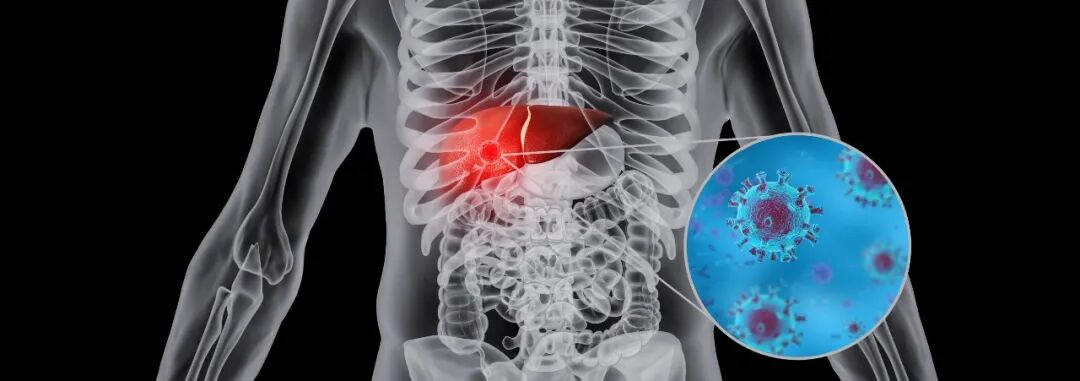
Although Ms. Zhang's tumor was surgically removed, multiple lymph node metastases were discovered during the operation, indicating a high likelihood of tumor progression. Ms. Zhang is very worried about this. Upon seeing the successful case of bile duct cell carcinoma treatment demonstrated by Professor Zhang Minghui's NKTtreatment team at Tsinghua University School of Medicine,  a bile duct cell carcinoma that recurred one year after surgery is now nearly four years without recurrence), , we particularly hope to try to reduce the risk of metastatic recurrence in the future.
After reviewing Ms. Zhang's medical records, Professor Zhang Minghui made the following analysis and judgment:
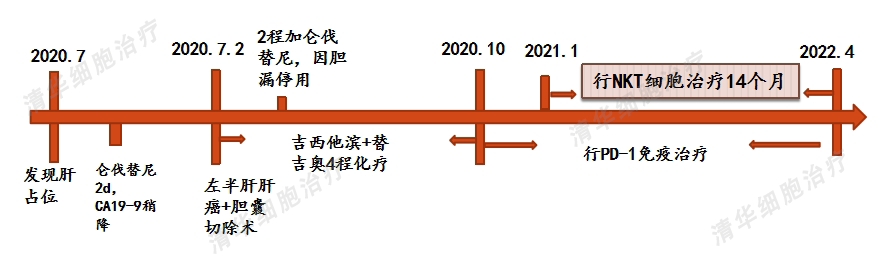
Ms. Zhang underwent NKT cell immunotherapy in January 2021, and has completed 28 courses of treatment, totaling 14 months (as of April 2022).No clear signs of disease progression were observed during the two imaging follow-ups conducted after the initiation of NKT treatment.
Image Aspects
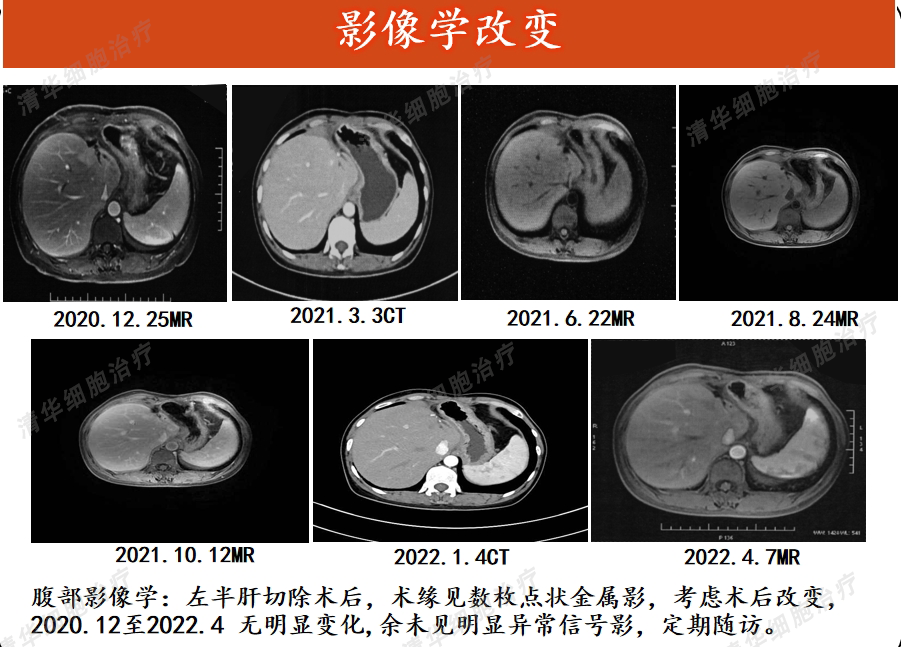
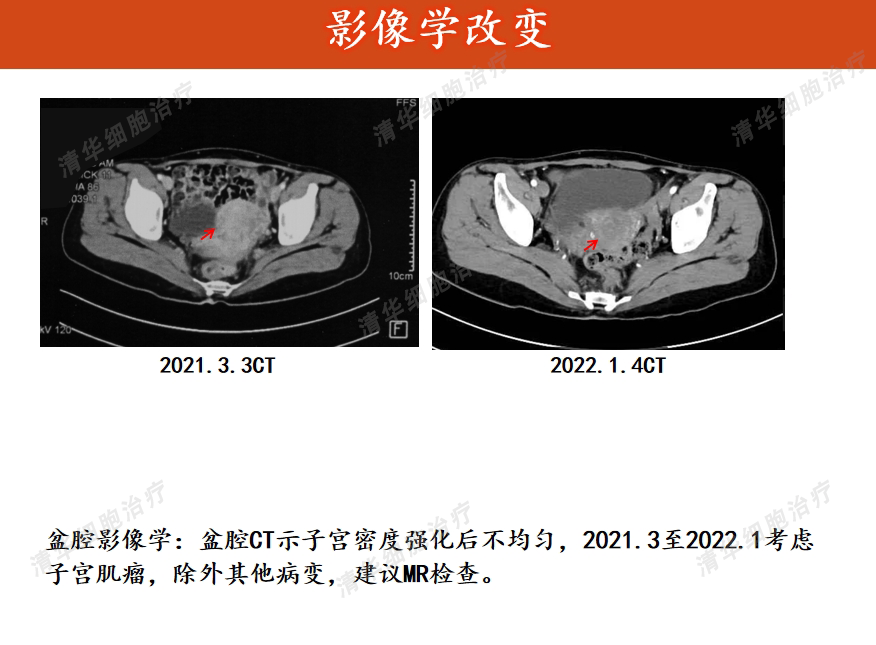
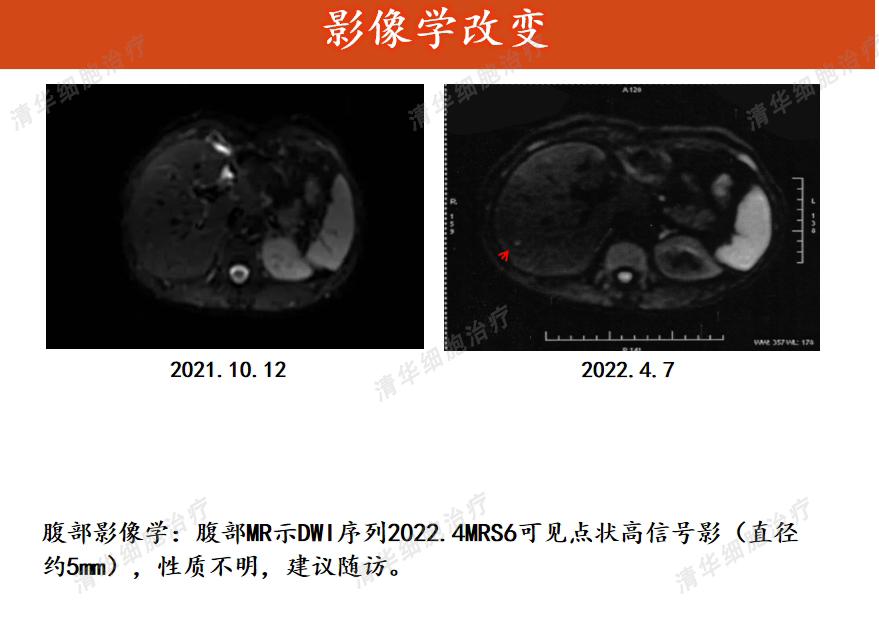
Swelling < H359>
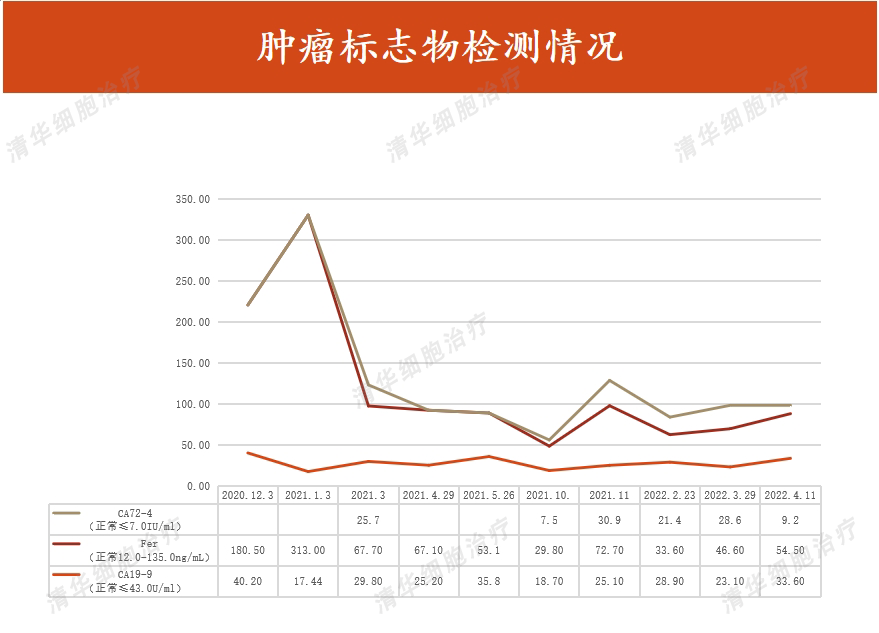
Tumor markers: CA72-4 was above the normal range from March 2021 to April 2022, with intermittent increases, requiring close observation; Fer increased from December 2020 to January 2021, but was within the normal range during the follow-up examination from March 2021 to April 2022; CA19-9 remained within the normal range during all follow-up examinations from December 2020 to April 2022, requiring close observation.
Quality of Life
Conclusion Theory
Ms. Zhang achieved the expected results after adopting NKT cell therapy. With the combined effects of various immunotherapies, after more than a year, the latest assessment result remains stable with no progression observed. Immunotherapy is considered one of the most promising directions in tumor treatment, and Ms. Zhang's case serves as a good illustration of this point.
Address: Room 1101 (Unit 101), 11th Floor, Building 1, No. 7 Courtyard, Kexueyuan Road, Life Science Park, Changping District, Beijing
Phone:010-8265 9866
Email:lehemedneo@hotmail.com