About Lehe
乐于心,和与众,与己乐,与人和; 心宽念纯,百病无生。


乐于心,和与众,与己乐,与人和; 心宽念纯,百病无生。

Cancer is not scary, it can be prevented and treated. The key is to have the correct concept and scientific methods!
-<」 Tsinghua University Zhang Minghui< H4>
01
Case analysis: If you can't understand the subsequent professional description
, if you can't understand the subsequent professional description
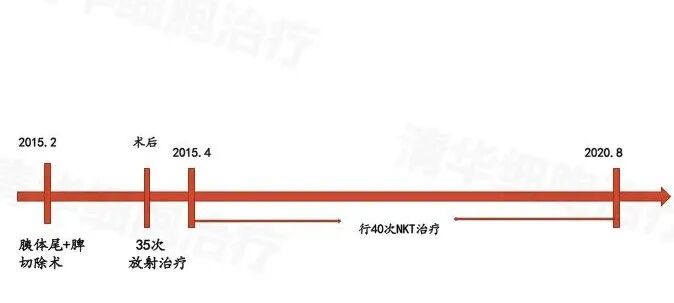
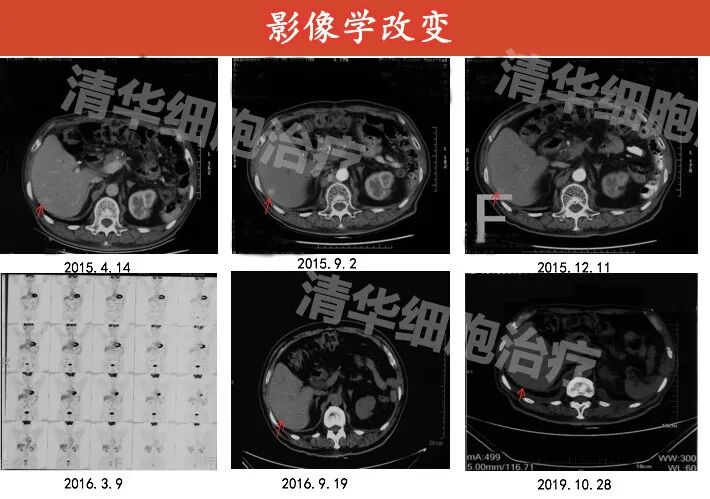
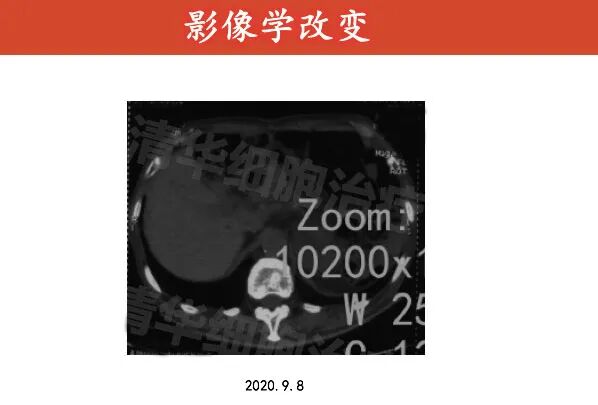
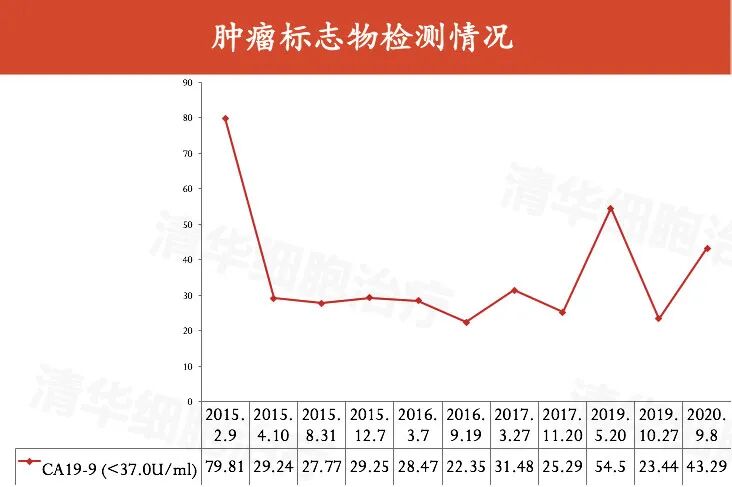
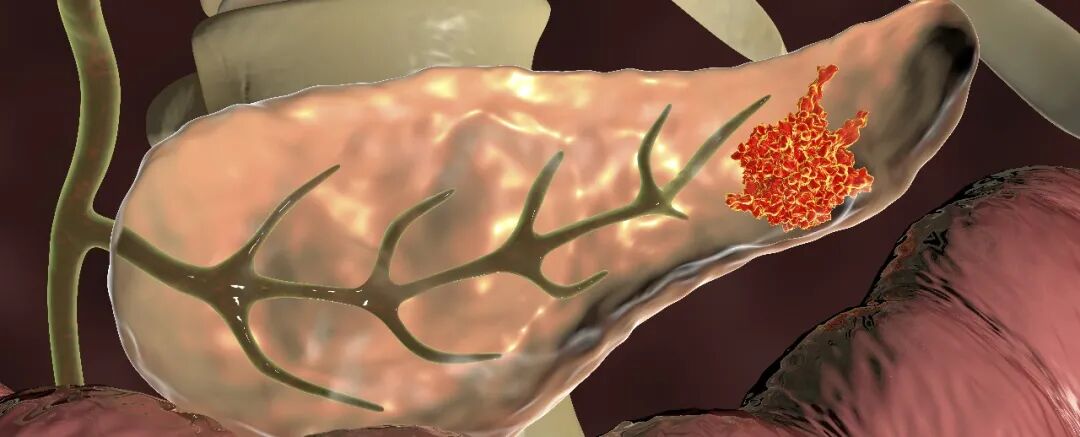
, you can read the text in two minutes, and then you can see that Mr. Wang suffers from pancreatic cancer. He has been using it since the end of surgery and adjuvant radiotherapy NKT cell therapy was maintained, and soon entered the sixth year, pancreatic cancer could be controlled for 66 months without recurrence and metastasis, which was a very encouraging and exciting medical miracle. (Mr. Wang's previous cases can be found at the end of the article). 02 Treatment Overview The patient's main complaint was weight loss accompanied by poor appetite, abdominal distension, and abnormal bowel movements, with no apparent cause. In February 2015, the patient visited the Cancer Hospital of the Chinese Academy of Medical Sciences. CT and MR imaging revealed a mass in the pancreatic body, and a pancreatectomy of the pancreatic body and tail with splenectomy was performed on February 28th. Postoperative pathology showed moderately differentiated ductal adenocarcinoma of the pancreas, with nerve invasion and necrosis, involving the peripancreatic fat, but not the spleen. No lymph node metastasis was found. BRAF-V600E(-), Ki67 (25%), postoperative staging was T2N0M0 stage Ib. The patient underwent adjuvant radiotherapy for 35 sessions after surgery. NKT therapy was initiated in April 2015 with a 4+4 regimen, and later the regimen was changed to one course every three months due to stable disease. As of August 2020, the patient has undergone a total of 40 courses of treatment, with stable disease and no signs of recurrence or metastasis during follow-up. Currently, the patient is in good mental state, with good appetite and sleep, and a good quality of life. 03 Imaging data Abdominal CT: From April 2015 to October 2019, multiple cysts were observed in the liver, with a possible hemangioma in the right posterior lobe. The gallbladder, spleen, and pancreatic body and tail were not shown. Postoperative changes were considered, and no clear signs of recurrence or metastasis were observed around the lesions (PET-CT image from March 2016). 04 Tumor markers< H185> NKT Classic Case Review Click on the image to view Science popularization is a charity Follow Tsinghua Cell Therapy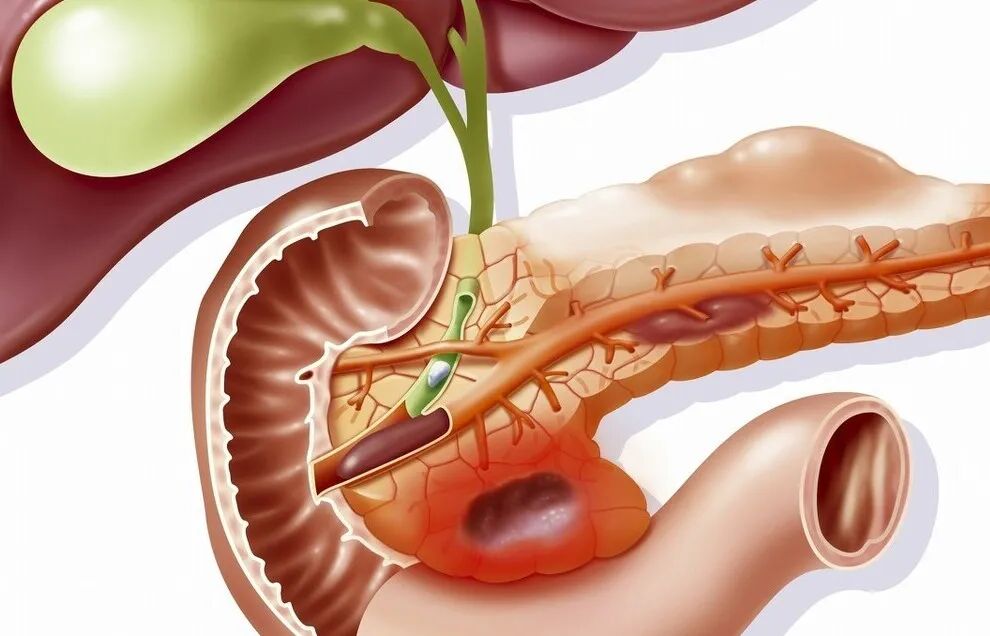
"Exciting! Pancreatic cancer has not recurred or metastasized in the past five years. How can we do that? 》

[pancreatic cancer, NKT Treatment Case Display] Tsinghua NKT · Lehe Family and Friends · 2015-03

<<<Long press to recognize QR code
Address: Room 1101 (Unit 101), 11th Floor, Building 1, No. 7 Courtyard, Kexueyuan Road, Life Science Park, Changping District, Beijing
Phone:010-8265 9866
Email:lehemedneo@hotmail.com