Contact Us Careers
Lung Cancer

Is there resistance to lung cancer targeted drugs? Where is the solution? Combining vNKT cells shows remarkable efficacy!

时间:2026-04-15 人气:
           
Click on the blue word to follow us  


Cancer

This complex disease, triggered by gene mutations, has always been a challenging problem for the medical community to overcome. With the advancement of technology, targeted drugs have emerged, bringing new hope to cancer patients. However, cunning cancer cells can also undergo corresponding changes, rendering the targeted drugs insensitive and resulting in drug resistance. This not only worries patients and their families, but also poses a huge challenge for doctors.


Q       
Why do targeted drugs become resistant to treatment?


Targeted drugs, as the name suggests, are aimed at specific "targets" of cancer cells to prevent their growth and spread. These targets are usually proteins or genes that are unique or overexpressed in cancer cells. By inhibiting the function of these targets, targeted drugs can precisely target cancer cells and reduce damage to normal cells. However, cancer cells are highly heterogeneous and adaptable, and they constantly undergo genetic mutations and variations to adapt to environmental changes and evade drug attack. This is the fundamental reason for the emergence of resistance to targeted drugs.


Q
Targeted drug resistance is divided into several types              


Targeted drug resistance can be divided into two types: primary resistance and secondary resistance.


Primary resistance refers to the presence of other genetic mutations in patients themselves, which leads to poor efficacy of targeted drugs. This situation is not uncommon in cancer treatment, as the genetic mutations in cancer patients are often very complex, and different patients may have different combinations of genetic mutations.


Secondary resistance, on the other hand, occurs when tumors undergo additional genetic mutations to evade the effects of targeted therapies, leading to drug resistance. This situation is even more challenging, as the emergence of resistance often indicates that the tumor has adapted to the drugs, necessitating more complex and personalized treatment regimens.


Q            
How to deal with resistance to targeted drugs


Facing the challenge of resistance to targeted drugs, we cannot remain helpless. In fact, by comprehensively utilizing various treatment methods and approaches, we can effectively address the resistance issue, enhance treatment efficacy, and improve patients' quality of life. Below are some specific solutions:


1. Strictly follow the instructions when taking targeted drugs

First and foremost, we must emphasize the importance of strictly following the instructions when taking targeted drugs. The efficacy and safety of targeted drugs have been verified through extensive clinical trials, and the parameters such as medication time, dosage, and method are based on the optimal solutions derived from these trials.


In practical terms, some patients may adjust the dosage or discontinue the medication due to concerns about side effects or ineffective treatment. This practice is highly dangerous, as non-standard medication not only reduces the efficacy of the drug but may also increase the risk of side effects. Therefore, patients must strictly follow the doctor's advice and the instructions provided in the medication guide, taking targeted drugs on time and in the correct dosage. Additionally, it is important to avoid interactions with other medications or food, as this may affect the efficacy and safety of the medication.


2. Evolution of Targeted Drugs: Upgrade from First to Third Generation

With the continuous advancement of medical research, targeted drugs have undergone continuous evolution and upgrading. From the first generation to the second generation, and then to the third generation, the efficacy and safety of targeted drugs have been significantly improved. For patients who have developed resistance, upgrading treatment is an effective solution.


Taking lung cancer as an example, EGFR mutation is one of the common gene mutations in lung cancer. Targeted drugs targeting EGFR mutations have undergone three generations of development. The first generation of targeted drugs, such as erlotinib and gefitinib, mainly inhibit the growth of cancer cells by suppressing EGFR phosphorylation. However, as treatment duration increases, some patients may develop resistance. In this case, second-generation targeted drugs such as afatinib and dacomitinib can be considered, which have stronger abilities to inhibit EGFR phosphorylation and can more effectively combat cancer cells. If second-generation targeted drugs also develop resistance, then third-generation targeted drugs such as osimertinib and amatinib can be considered. These third-generation targeted drugs are specifically developed for specific gene mutations that are resistant to first- or second-generation targeted drugs, and have higher efficacy and lower side effects.


It should be noted that upgrading treatment is not a panacea. Although the new generation of targeted drugs has improved efficacy and safety, there is still a risk of resistance. Therefore, before upgrading treatment, comprehensive gene testing and analysis must be performed on patients to determine whether there are resistance-related gene mutations. At the same time, close attention must be paid to changes in patients' conditions and treatment responses, and treatment plans must be adjusted in a timely manner.


3. vNKT cell combined with targeted drug therapy: Innovative therapy brings new hope

vNKT cell combined with targeted drug therapy combines the precise targeting ability of targeted drugs with the powerful immune killing ability of vNKT cells, achieving a synergistic anti-cancer effect of 1+1>2.


vNKT cells are a special type of immune cell that possesses both the nonspecific killing function of NK cells and the specific recognition function of CD8+ T cells. Therefore, vNKT cells can rapidly recognize and kill tumor cells, while regulating the microenvironment within cancer tissues and inhibiting tumor growth and metastasis. When vNKT cells are used in combination with targeted drugs, they can synergize to combat cancer cells. Targeted drugs can precisely target and inhibit the growth of cancer cells, while vNKT cells can eliminate those cancer cells that escape the attack of targeted drugs, thereby extending the efficacy of targeted drugs and reducing the occurrence of drug resistance.


In practical applications, the treatment of vNKT cells combined with targeted drugs requires personalized treatment plans and meticulous operational procedures.


01              


Case of vNKT cell therapy combined with targeted drugs              

Overview of the illness

Ms. Liu is a lung cancer patient, and her journey against cancer has been fraught with twists and hardships. However, through the comprehensive application of various treatment methods and approaches, she ultimately found a treatment plan that suits her and achieved long-term stable efficacy.      


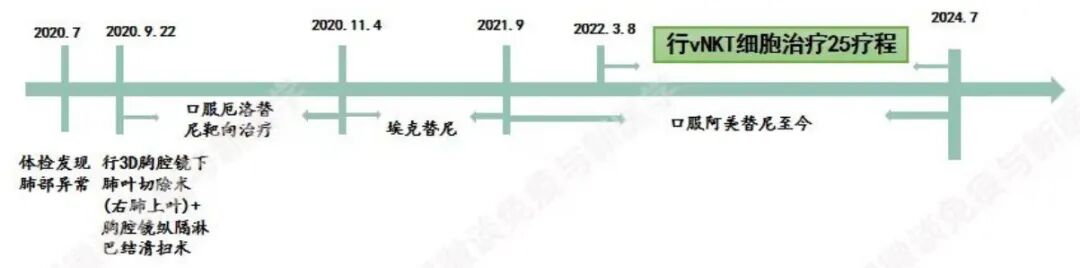
Ms. Liu was diagnosed with lung cancer in 2020 and underwent a 3D thoracoscopic lobectomy (right upper lobe) + thoracoscopic mediastinal lymph node dissection under general anesthesia. Postoperative pathology revealed invasive adenocarcinoma with a maximum tumor diameter of 6cm. Postoperative pathology indicated: (right upper lobe) invasive adenocarcinoma, predominantly alveolar type (approximately 70%), with adherent growth type (approximately 20%), and micro-papillary component (approximately 10%). The tumor measured 6cm in maximum diameter, with satellite foci around it, involving the bronchial wall and pleura. Intra-airway dissemination was visible, with no clear intravascular thrombus or neural invasion. The bronchial resection margin was negative (group 4 lymph nodes) and positive (1/1). Intra-airway dissemination and lymph node metastasis were also observed. Genetic testing results showed that Ms. Liu had an EGFR 19 gene mutation.

           
For EGFR mutations, Ms. Liu began taking erlotinib for treatment. However, due to intolerance to side effects, she quickly switched to Icotinib. Nevertheless, one year later, a follow-up lung CT scan revealed two small nodules in the upper segment of the right lower lobe, which were considered metastatic tumors. This indicated that the original targeted drug had developed resistance.            


Facing this predicament, Ms. Liu did not give up on treatment. After establishing contact with Professor Zhang Minghui's team, she underwent a treatment plan combining vNKT cell therapy with targeted drug therapy. After 25 courses of cell therapy and continuous use of the targeted drug amicizumab, Ms. Liu's condition was effectively controlled, and no drug resistance occurred again. At the same time, she also reported positive changes such as increased hair volume, improved hair quality, darker hair color, and reduced frequency of skin allergies.


vNKT cell immunotherapy            


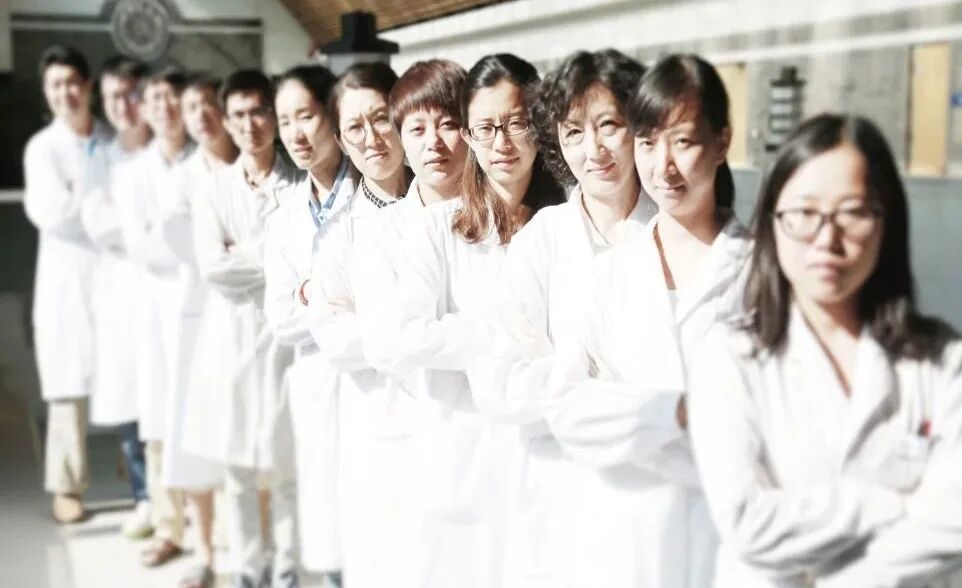
NKT cells (Natural killer T cells), are a special T cell subset with both T cell receptor (TCR) and NK cell receptor on the cell surface. They possess important characteristics of both NK cells and T cells, with the dual ability to recognize tumor cells nonspecifically and specifically, and can rapidly kill tumor cells. Among the NKT cell subsets, there is a larger and more potent special soldier, which was discovered by the experimental team of Professor Zhang Minghui from Tsinghua University, namely vNKT (Variant Natural Killer T) cells.            

           
The population of vNKT cells in the body is very small and they are not easily activated. However, once activated, they can be extremely effective in killing tumor cells that may remain undetected in the body. Additionally, research has found that vNKT cells have dual anti-tumor effects. Not only can they directly kill cancer cells, but they can also regulate the immune microenvironment within tumor tissues, kill inhibitory immune cells (MDSCs), break down tumor immune evasion, rebuild the normal immune system, and further prevent recurrence and metastasis.            


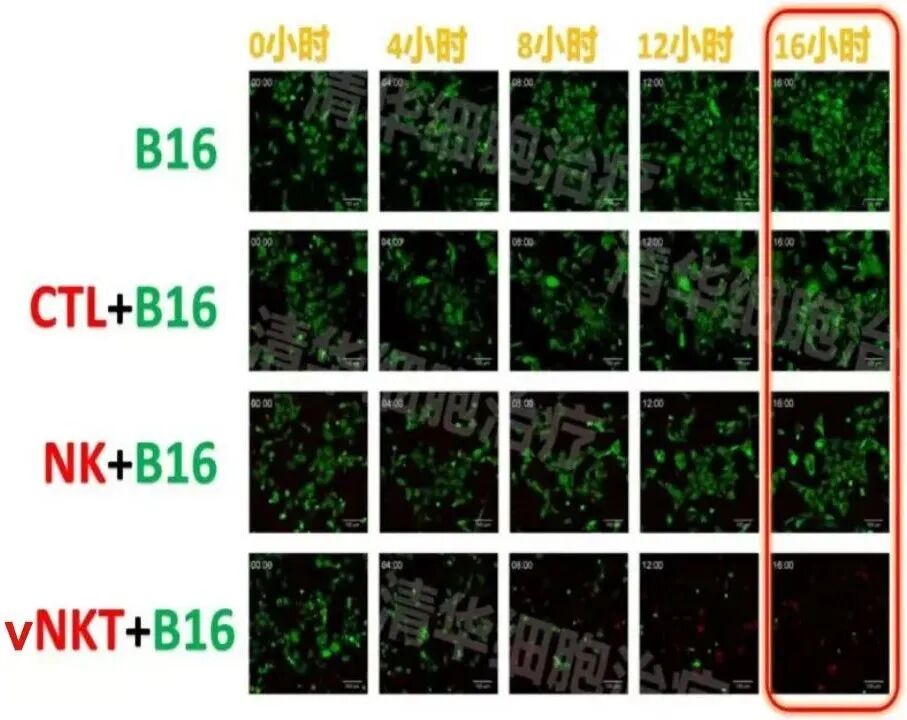
Experimental conditions: In the presence of vNKT cells, after 16 hours, nearly all B16 tumor cells were killed!


02                


Treatment Experience 

Time Axis                


03            


Conclusion and Comments

Conclusion  and Commentary

Ms. Liu's treatment experience provides us with valuable reference experience. She successfully addressed the issue of targeted drug resistance by strictly following medication instructions, timely updating targeted drugs, and innovatively using vNKT cells combined with targeted drug therapy. This not only allowed her to achieve long-term stable efficacy but also provided beneficial reference and inspiration for other patients.

   
Resistance to lung cancer targeted drugs is a complex and unavoidable issue. However, through the comprehensive application of various treatment methods and approaches, we can effectively address the resistance issue, improve treatment efficacy, and enhance patients' quality of life. Ms. Liu's treatment experience provides us with valuable reference experience. From strictly following medication instructions to timely replacement of targeted drugs to innovatively using vNKT cell combined with targeted drug therapy, multiple strategies have demonstrated the feasibility and effectiveness of addressing resistance. It is believed that with the continuous deepening of medical research and technological progress, we will be able to find more effective methods to combat resistance to lung cancer targeted drugs, allowing more patients to regain health and hope.


Zhang Minghui  Founder of Lehe New Medicine and Ph.D. in Immunology from Tsinghua University School of Medicine
Since the discovery of vNKT cells in 2002, Professor Zhang Minghui's research team has embarked on a journey spanning over 20 years, accumulating treatment experience from over 700 cases of solid tumors, covering almost all common types of solid tumors. The research findings have fully demonstrated the immense value of vNKT in the treatment of solid tumors.


It is applicable to postoperative patients with high malignant potential or at risk of recurrence; patients whose tumors have been basically controlled but not cured through conventional treatments such as chemotherapy, radiotherapy, and targeted therapy; and patients who continue to have high carcinogenic factors. If these patients do not receive effective follow-up treatment after traditional anti-tumor therapy, recurrence, metastasis, or reoccurrence of tumors will be a high probability event,In this situation, vNKT cell therapy serves as an ideal subsequent treatment approach, capable of significantly enhancing the patient's prognosis. Due to its mild side effects, it can also be considered for patients who are unable to tolerate conventional treatments such as radiotherapy, chemotherapy, or targeted therapy, after thorough evaluation            


Written by Cao Tingting
Reviewed by: Qiao Jiacheng, Wang Ying, Gao Chen        
Edited/typeset by Zhang Jiao


Lian
is a
I
         

Scan QR code

Communicate with Professor Zhang Minghui's team


Click on the image to view the exciting content from previous issues



Reposting is a driving force, sharing is a virtue