Contact Us Careers
Lung Cancer

High-risk lung cancer, treated with targeted drugs combined with cell therapy, effectively controls the tumor

时间:2026-04-22 人气:

If you can't understand the subsequent professional descriptions, just take two minutes to read through this text.

Overview of the condition


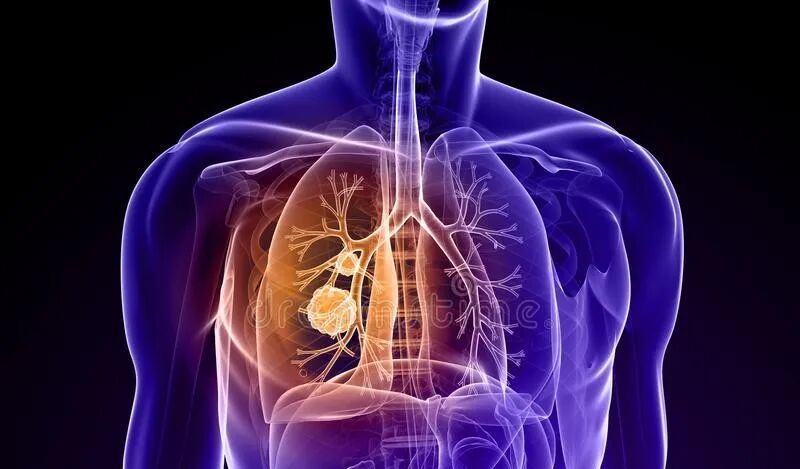
After discovering lung abnormalities during a physical examination in July 2020, Ms. Liu underwent enhanced chest CT to further confirm the suspected neoplastic lesions. In September 2020, a lung biopsy pathology report indicated adenocarcinoma.
In September 2020, a PET-CT scan indicated: 1. An abnormally high metabolic activity in a mass located in the posterior segment of the right upper lobe, adjacent to the interlobar pleura, suggesting a high likelihood of right upper lobe lung cancer. On September 22, 2020, a 3D thoracoscopic lobectomy (of the right upper lobe) and thoracoscopic mediastinal lymph node dissection were performed under general anesthesia.
Postoperative pathology revealed: (right upper lobe) invasive adenocarcinoma, with a maximum tumor diameter of 6cm, surrounding satellite lesions, involvement of the bronchial wall and pleura, visible airway dissemination, no clear intravascular thrombus or neural invasion, and negative bronchial resection margins. (Group 4 lymph nodes) positive (1/1). Genetic testing: CTNNB1 variant type SNV, exon 3 mutation site G34A, mutation frequency 47.11%; CTNNB1 variant type SNV, exon 3 mutation site T41A, mutation frequency 1.71%; EGFR variant type InDel, exon 19 mutation site E746-A750del, mutation frequency 30.46%.
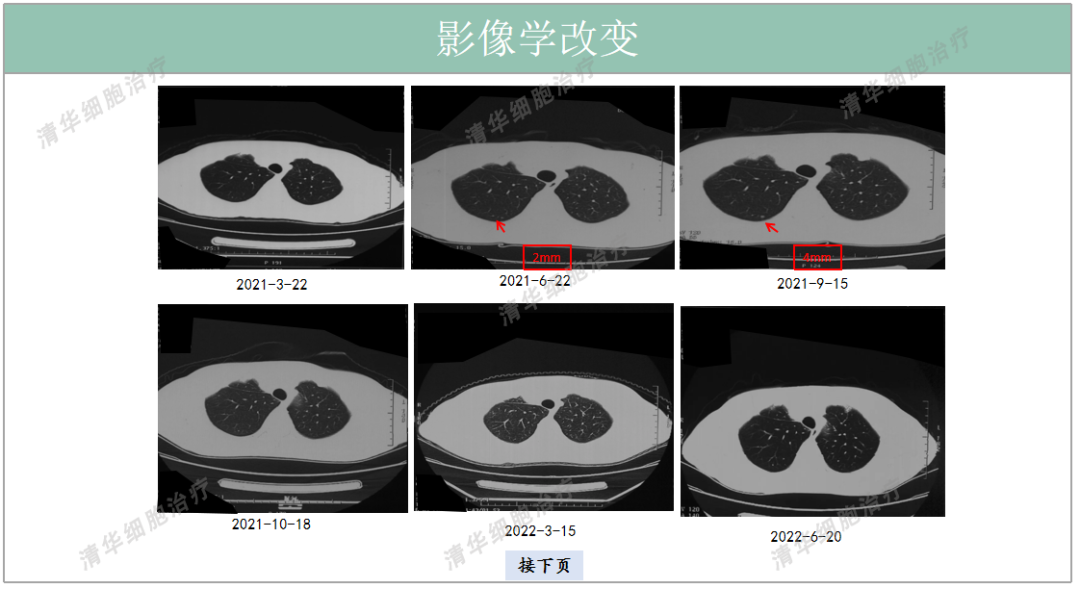
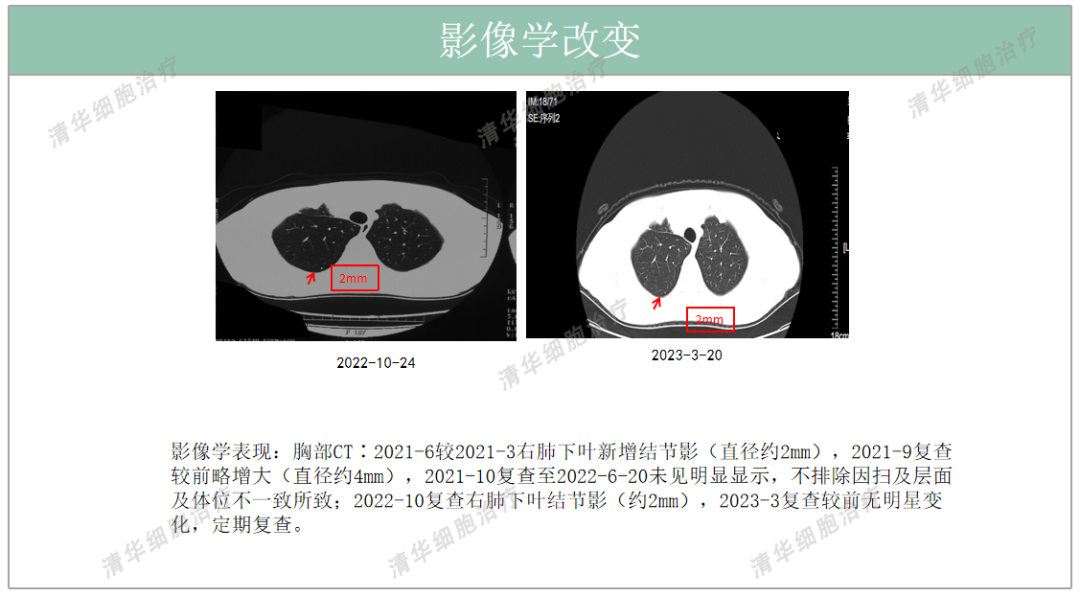
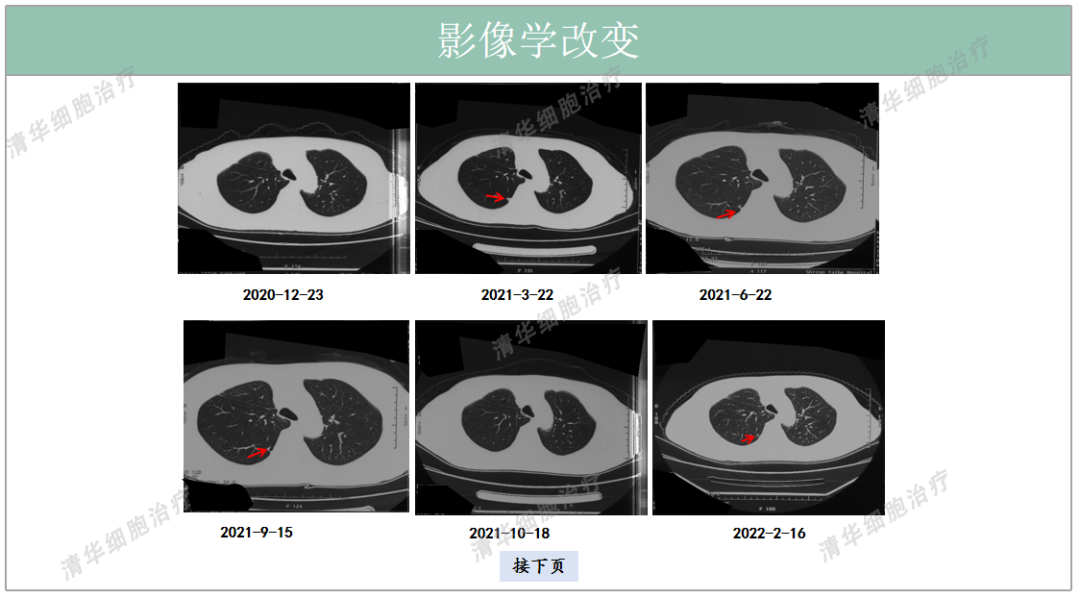
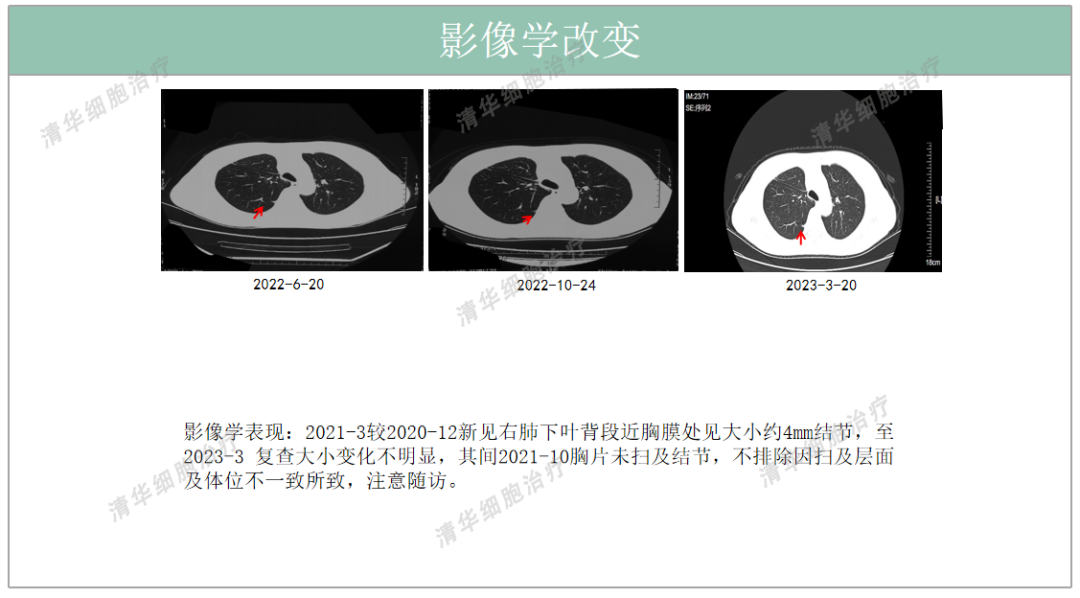
After surgery, the patient started taking erlotinib, but due to intolerance, switched to Icotinib in November 2020. In September 2021, a follow-up lung CT scan revealed two small nodules in the upper segment of the right lower lobe, suggesting metastatic tumor.
In October 2021, peripheral blood genetic testing revealed EGFR mutation, exon 20, variant type T790M. Due to drug resistance, the patient switched to Amatinib in October 2021 and has been taking it ever since.
Department
   
Pu
Xiao
   
Knowledge

Recognition


Airway seeding

Airway seeding (Spread through air space, abbreviated as STAS) refers to the migration of tumor cells away from the edge of a lung mass and into the surrounding pulmonary parenchyma, alveolar spaces, and bronchioles. Numerous studies have reported that patients with early-stage lung cancer (stage I) who exhibit airway seeding have an increased risk of postoperative recurrence and a lower overall survival rate compared to patients without airway seeding. Bronchioloalveolar carcinoma can stimulate the respiratory tract mucosa to produce copious amounts of sputum, typically thin and mucoid, containing a large number of cancer cells. These cancer cells can continue to spread as a result of breathing. As the sputum travels through different parts of the respiratory tract, the cancer cells also metastasize to other parts of the respiratory tract, leading to disseminated metastasis. Similar to cancer infiltration, lymphatic metastasis, hematogenous metastasis, and invasion of visceral pleura, STAS is a form of tumor metastasis.  


Ms. Liu completed the surgery and received oral targeted drug therapy, but a year later, a follow-up examination revealed suspected recurrent lesions, causing her great concern. After extensive research, Ms. Liu and her family learned about Professor Zhang Minghui's vNKT technology at Tsinghua University School of Medicine through a friend's recommendation, and carefully reviewed the demonstrated cases of vNKT cell therapy, particularly hoping to try it to delay the occurrence of recurrence and metastasis.
After reviewing Ms. Liu's medical records, Professor Zhang Minghui made the following analysis and judgment:
1. The patient underwent surgery for lung cancer, with lymph node metastasis visible during the operation, indicating a late stage.  

2. The patient's tumor has invaded the bronchial wall and pleura, with lymphatic metastasis and intrapulmonary dissemination risk factors. The patient developed resistance to first-generation oral targeted therapy and was switched to third-generation targeted therapy.

3. vNKT therapy utilizes powerful immune cells to eliminate tumor cells that may remain in the body but are undetected, with essentially no side effects. vNKT combined with targeted therapy can effectively control the tumor growth.
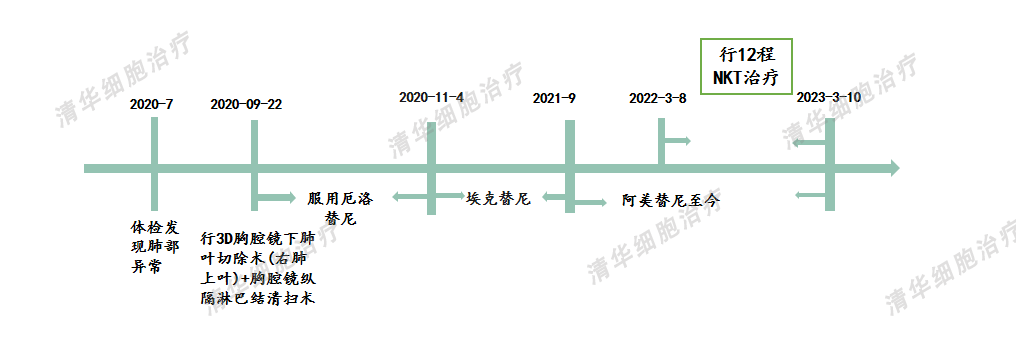
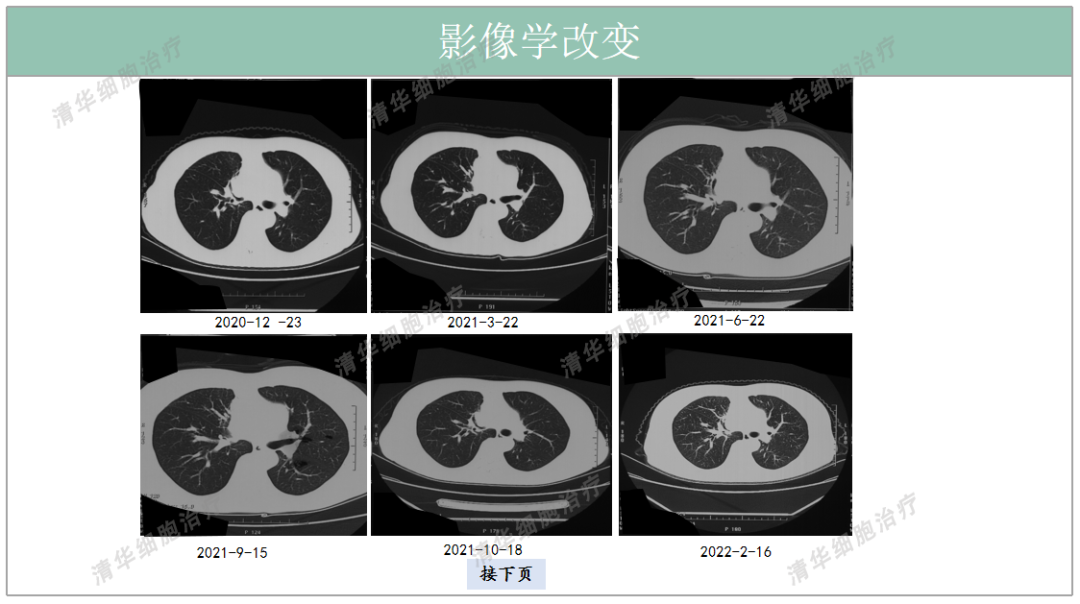
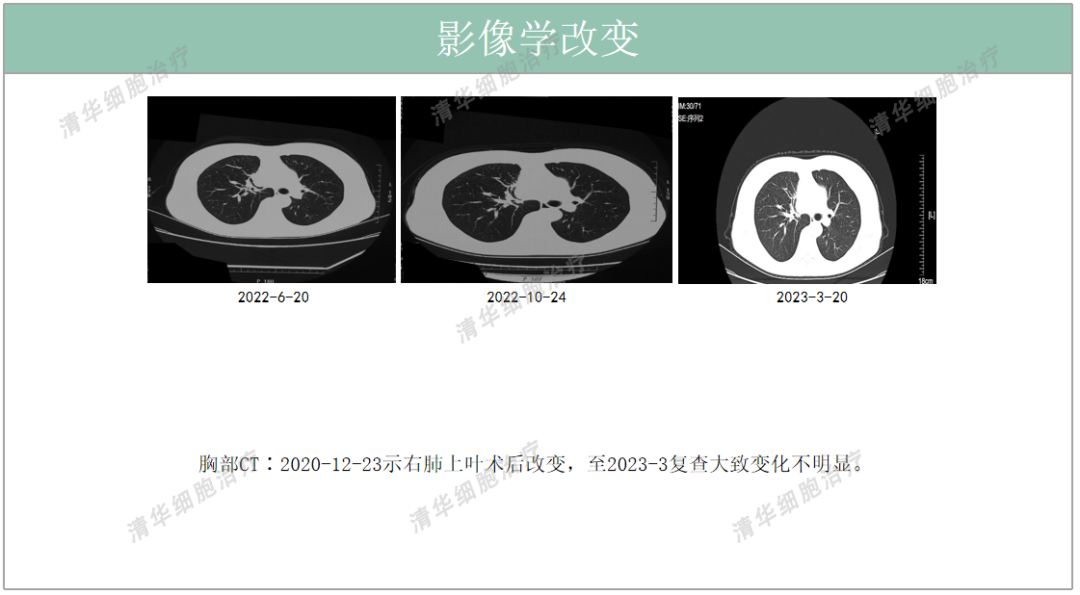
Ms. Liu decided to undergo vNKT cellular immunotherapy in March 2022, with an initial regimen of one course per month. As of March 2023, 12 courses have been completed, and no significant signs of progression were observed during follow-up examinations.


Image aspect


 Conclusion and Comments

Ms. Liu has achieved the expected results after being treated with vNKT cell therapy, and her quality of life has been greatly improved. Her mental state is very good, she feels more energetic and vigorous than before, and has returned to her pre-illness state. She can live and work normally without being affected by the disease.
After a year, the latest assessment result remains stable with no progression observed. Immunotherapy is considered one of the most promising directions in tumor treatment, and Ms. Liu's case serves as a good illustration of this.
Tumor Airway Spread (STAS) is an invasive pattern described in lung cancer. In one study, the association between the range of STAS and clinicopathological features and the prognosis of patients with resected non-small cell lung cancer (NSCLC) was investigated. Since 2008, STAS has been prospectively described and its scope has been graded using a two-tier system. STAS is more common in patients with adenocarcinoma (ADC) (compared to squamous cell carcinoma), pleural infiltration, lymphatic vessel infiltration, and/or higher pathological stages. There are significant differences in recurrence free survival (RFS), overall survival (OS), and lung cancer specific survival (LCSS) among adenocarcinoma patients based on the degree of STAS.
Ms. Liu had risk factors such as lymph node metastasis and airway dissemination after lung cancer surgery. In order to achieve long-term stability, she chose vNKT cell therapy and achieved the expected results. During this process, vNKT cell immunotherapy plays an indispensable role in reducing the risk of recurrence and metastasis and strengthening the immune system, thereby providing patients with long-term stability.

Reference:< H335>

【1】Han YB, Kim H, Mino-Kenudson M, et al. Tumor spread through air spaces (STAS): prognostic significance of grading in non-small cell lung cancer [published correction appears in Mod Pathol. 2021 Feb 3;:]. Mod Pathol. 2021; 34(3):549-561. doi:10.1038/s41379-020-00709-2.

Classic NKT Case Review

Click on the image

to view