About Lehe
乐于心,和与众,与己乐,与人和; 心宽念纯,百病无生。


乐于心,和与众,与己乐,与人和; 心宽念纯,百病无生。


For solid tumors, recurrence and metastasis are the main causes of cancer treatment failure. And lymph node metastasis is one of the most common modes of metastasis in solid tumors. When tumor cells shed from the primary lesion, invade lymph nodes through lymphatic vessels, and form new lesions, it indicates that the disease may progress to a more complex stage.
Lymph nodes serve as the immune system's “outposts”,once breached by tumor cells, cancer cells can evade the body's defense through immune escape mechanisms, further entering the bloodstream via the lymphatic circulation, triggering systemic spread.
So, what are the typical symptoms of lymph node metastasis?What is the prognosis for lymph node metastasis? How should it be treated?
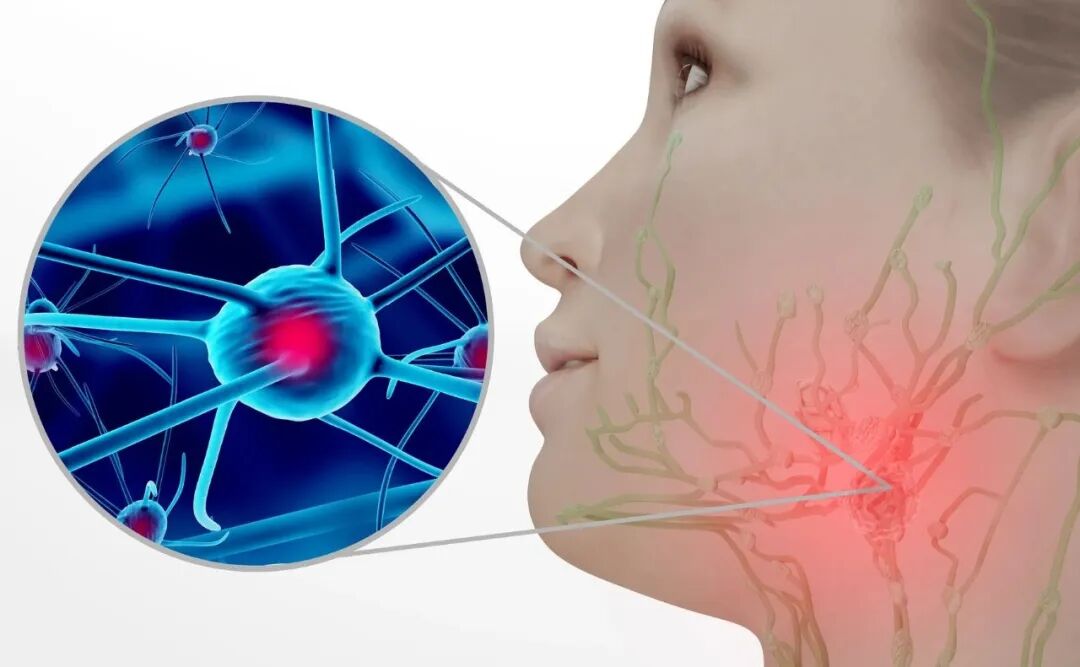
* Superficial lymph node enlargement:
Painless hard masses appear in the neck, axilla, inguinal regions, etc., with a firm texture and poor mobility.
* Deep lymph nodes:
Metastatic mediastinal lymph nodes may cause coughing and difficulty breathing; metastatic abdominal lymph nodes may trigger abdominal pain and intestinal obstruction.

* Systemic symptoms :
such as low-grade fever, weight loss, and night sweats, which indicate the need to be vigilant for lymphatic system tumors or widespread metastasis.

The occurrence of lymph node metastasis does not necessarily mean advanced cancer. The number and location of metastatic lymph nodes are important factors affecting prognosis. The larger the transfer range, the worse the prognosis. 【1】
* Local lymph node metastasis:< H335>
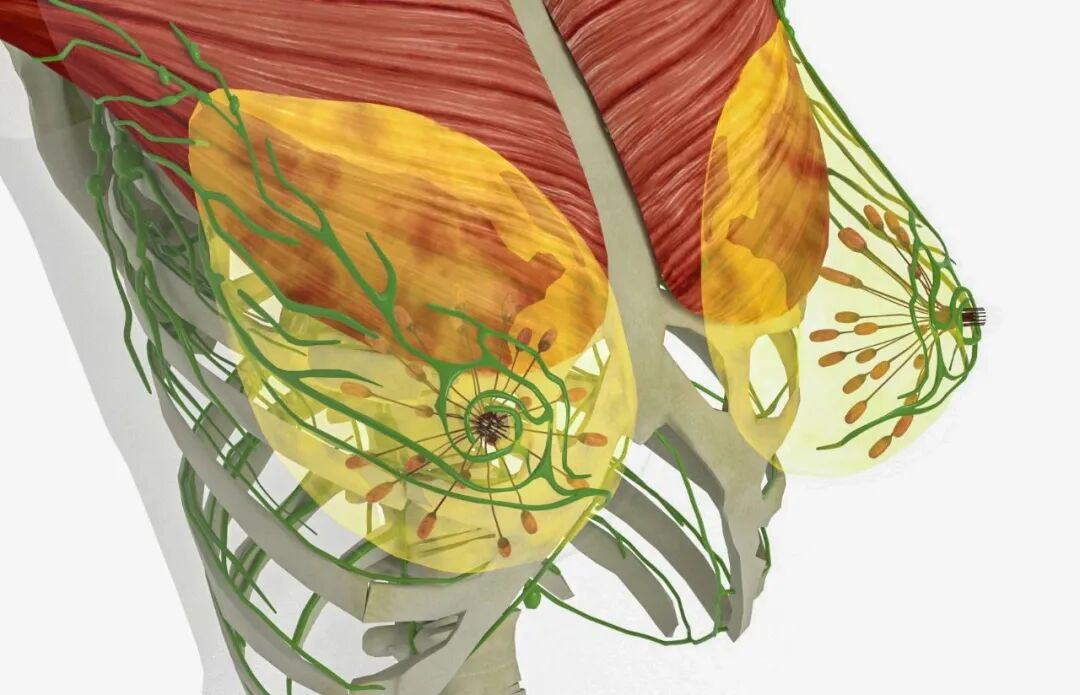
( For example, axillary lymph node metastasis of breast cancer)can be controlled by surgical debridement combined with radiotherapy and chemotherapy, and the prognosis is relatively good.
* Distant lymph node metastasis:
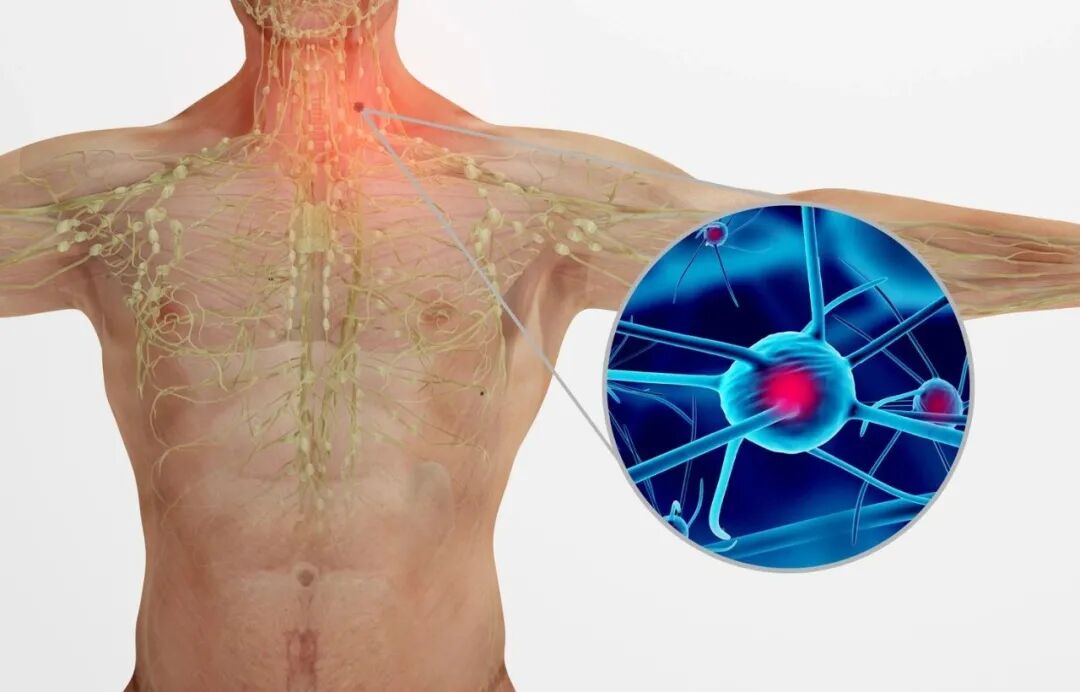
(such as breast cancer supraclavicular lymph node metastasis) often indicates advanced tumor stage, requiring systemic treatment. However, patients should not panic excessively, as significant survival extension and quality of life improvement can still be achieved through multidisciplinary intervention such as chemoradiotherapy, immunotherapy, and targeted therapy.
Overview of the illness
In October 2021, Mr. Zhao presented with "choking while eating and discomfort in the right chest". Endoscopic ultrasonography revealed early-stage carcinoma (T1) in the mid-esophagus. Subsequently, endoscopic submucosal dissection (ESD) was performed on the esophageal mucosa. Postoperative pathology indicated moderately differentiated squamous cell carcinoma , with involvement of the esophageal glandular ducts, macroscopically classified as Type 0-IIb. The microscopic extent of the lesion was 3.3x3cm, with the squamous cell carcinoma lesion measuring 3.3x1.3cm. The histological typing of the deepest infiltrating cancer tissue was moderately differentiated squamous cell carcinoma, and the infiltration pattern was INFb.
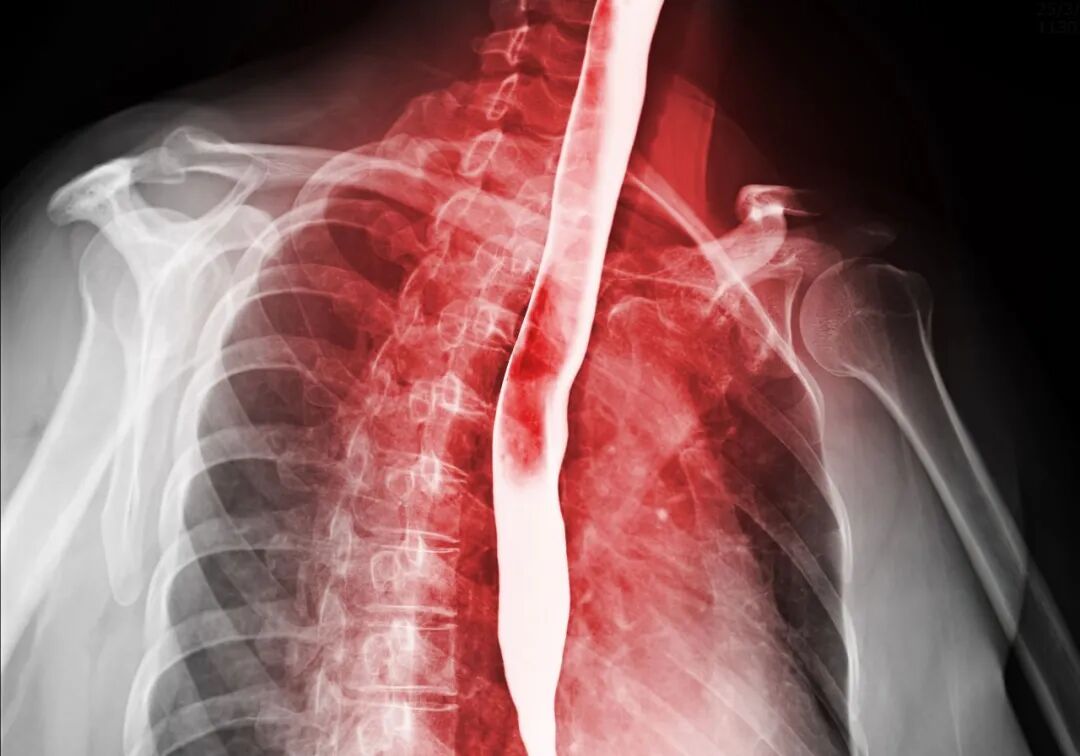
Due to the wide range and deep infiltration of the tumor, Mr. Zhao decided to undergo another surgery to remove and clean it. On December 23rd, robot assisted esophagogastrostomy, esophagogastric neck anastomosis, lymph node dissection, and bilateral recurrent laryngeal nerve dissection were performed. Lymph nodes showed metastatic squamous cell carcinoma (4/37), without involving the lymph node membrane.
Lymph node metastasis is the main pathway for esophageal cancer metastasis. Due to the unique structural characteristics of the esophageal lymphatic network,Esophageal cancer is prone to skip lymph node metastasis,forming distant lymph node metastasis. Esophageal cancer patients with lymph node metastasis have a 5-year survival rate lower than 30% for2. Lymph nodes are important immune organs in the human body, indicating that metastatic esophageal cancer has strong immune evasion or immunosuppression capabilities. Although surgery removes the lesion and lymph nodes, it cannot reverse this immunosuppression state, and recurrence may still occur due to residual micrometastatic foci.
Regarding the biological characteristics of lymph node metastasis, vNKT cell therapy activates the immune system and demonstrates unique advantages:

1. Precision dual killing:
vNKT cells possess both the broad-spectrum killing ability of NK cells and the antigen-specific recognition ability of CD8+ T cells, enabling precise clearance of residual cancer cells in lymph nodes and blood.
2. Reinforcing the immune defense line:
By activating immune memory, a "tail-effect" of immunity is formed, continuously monitoring and eliminating newly emerging tumor cells.
3. Balancing quality of life and treatment efficacy:
Unlike the significant side effects brought by traditional chemotherapy, vNKT cell therapy only manifests as mild discomfort, and patients do not have to endure the toxic side effects of chemotherapy and radiotherapy, achieving a balance between treatment and quality of life.

Natural killer T (NKT) cells are a special T-cell subset that possesses both T-cell receptor (TCR) and NK cell receptors on their surface. They combine the important characteristics of NK cells and T cells, with the dual ability to recognize tumor cells nonspecifically and specifically, and can rapidly kill tumor cells. Among the NKT cell subsets, there is a larger and more potent special type of NKT cell, discovered by the experimental team led by Professor Zhang Minghui of Tsinghua University, known as vNKT (Variant Natural Killer T) cells.
The number of these vNKT cells in the body is very small, and they are not easily activated. However, once activated, they can defeat numerous tumor cells that may remain undetected in the body. In addition, research has also found that vNKT cells have dual anti-tumor effects. They can not only directly kill cancer cells but also regulate the immune microenvironment within tumor tissues, kill inhibitory immune cells such as myeloid-derived suppressor cells (MDSCs), break tumor immune escape, rebuild the normal immune system, and further prevent recurrence and metastasis.
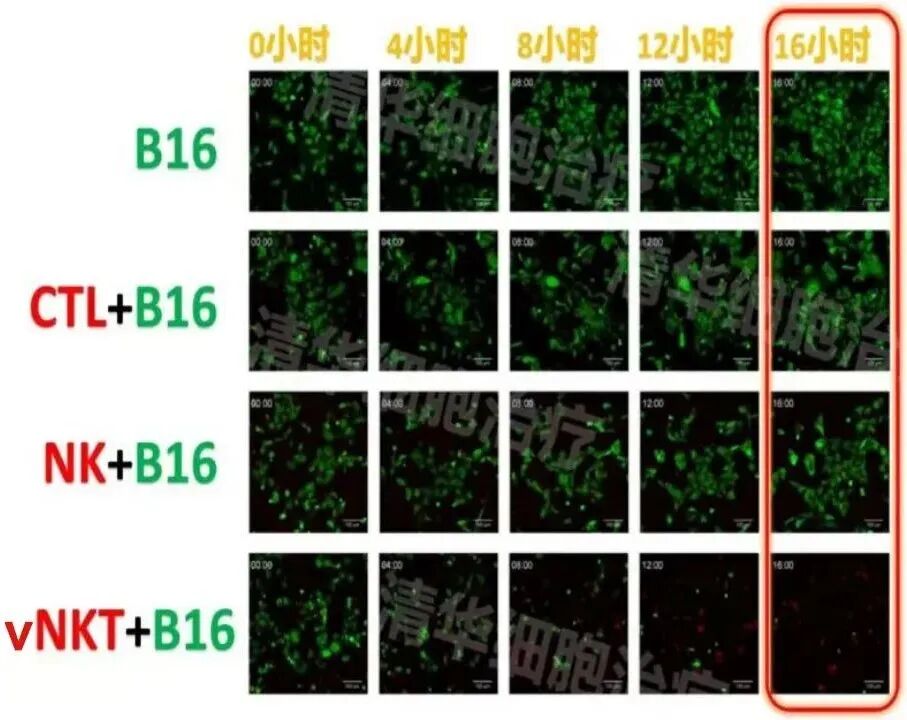
Experimental conditions: In the presence of vNKT cells, after 16 hours, almost all B16 tumor cells were killed!
Mr. Zhao began receiving vNKT cell therapy in March 2022, and had completed 16 courses by October 2024. Follow-up visits showed that his tumor markers remained stable, and imaging examinations revealed no signs of recurrence, confirming the value of this therapy in controlling micro-metastatic foci.
Conclusion and Review< H293>
Lymph node metastasis is a crucial node in the progression of tumors, but it is not unintervenable. When facing cancer, it is crucial to actively learn about treatment options and actively seek individualized plans. As shown in Mr. Zhao's case, choosing a treatment method that suits oneself can still bring hope to the road of cancer recovery.

References:
[1] Zhao Ming, Wang Chenxi, Li Xiuqing, et al. Clinicopathological study on tumor-associated neutrophils promoting lymph node metastasis in advanced gastric cancer [J]. Modern Cancer Medicine, 2023, 31(10):1859-1865.
[2] Li Yue, Shi Dongni, Chen Baiyu, et al. Mechanisms and diagnostic and therapeutic advancements in esophageal cancer metastasis [J]. Chinese Journal of Cell Biology, 2025, 47(03):412-431.
If you or your family members are facing a dilemma in choosing treatment options, scan the QR code below to add our assistant on WeChat, and you can:
* Obtain a second medical opinion from Professor Zhang Minghui: a personalized treatment plan , with professional assistance to help you find the most suitable survival strategy .
* Join the anti-cancer support community: share experiences with more patients and receive support from real-life cases .

Scan QR code
Communicate with Professor Zhang Minghui's team

Founder of Lehe New Medicine
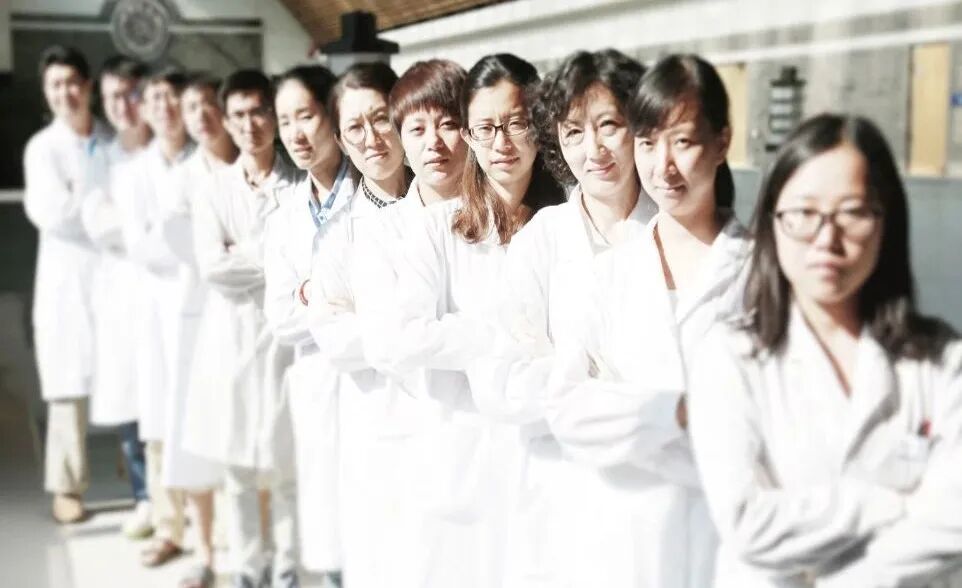
Professor Zhang Minghui, who holds a PhD in Immunology from Tsinghua University School of Medicine, has led a research team for over 20 years since the discovery of vNKT cells in 2002. They have accumulated over 700 cases of treatment experience in solid tumors, covering almost all common solid tumors. The research results fully demonstrate the great value of vNKT in the treatment of solid tumors.
It is suitable for postoperative patients with high pathological malignancy or a risk of recurrence; patients whose tumors have been basically controlled but not cured after conventional treatments such as chemotherapy, radiotherapy, and targeted therapy; patients with persistent high carcinogenic factors; and patients who are intolerant to radiotherapy and chemotherapy.If these patients do not receive effective follow-up treatment after traditional anti-tumor therapy, the recurrence, metastasis, or re-emergence of tumors will be a high probability event. In this case, vNKT cell therapy is an ideal follow-up treatment method, which can significantly improve the prognosis of patients.
[1]Sprowls SA, Arsiwala1 TA, Bumgarner JR, et al. Improving CNS Delivery to Brain Metastases by Blood-Tumor Barrier Disruption[J]. Trends Cancer, 2019, 5(8): 495-505.
[2]Sun Yichu, Liang Fei, Xia Weiwei. Research progress on radiotherapy combined with immunotherapy for brain metastasis of non-small cell lung cancer[J]. Cancer Prevention and Treatment Research, 2023, 50(07): 705-709.
Click on the image to view past exciting content





Address: Room 1101 (Unit 101), 11th Floor, Building 1, No. 7 Courtyard, Kexueyuan Road, Life Science Park, Changping District, Beijing
Phone:010-8265 9866
Email:lehemedneo@hotmail.com