About Lehe
乐于心,和与众,与己乐,与人和; 心宽念纯,百病无生。

乐于心,和与众,与己乐,与人和; 心宽念纯,百病无生。


58Mr. Zhao, at the age of 58, proves through his personal experience that
one should not take "rhinitis" lightly.
Overview of the illness
In 2019,9 months, Mr. Zhao began experiencing symptoms such as nasal congestion, decreased hearing on the right side, and tinnitus. At the time, he did not pay much attention, thinking it was just some symptoms caused by rhinitis. It was not until 3 months later that Mr. Zhao noticed swelling on the right side of his neck, which made him nervous and prompted him to seek medical advice.
In 2020,1 month, Mr. Zhao underwent neck ultrasound, endoscopy, pathological examination, and neck MRI.
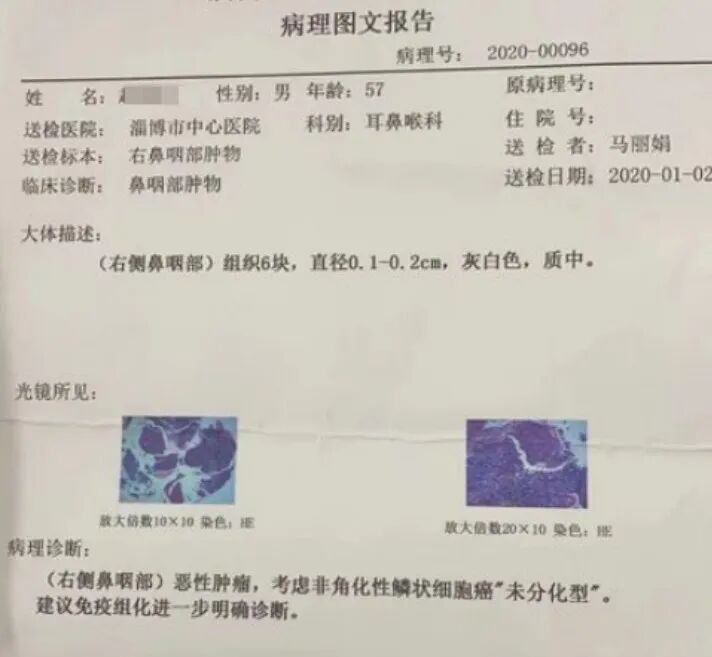
The result shocked Mr. Zhao: (Right nasopharynx )Non-keratinizing squamous cell carcinoma “Undifferentiated type”. At this moment, Mr. Zhao realized that he did not have rhinitis at all, but rather nasopharyngeal cancer .
Unlike most tumors, nasopharyngeal cancer has a unique location and is relatively sensitive to radiotherapy. Therefore, Mr. Zhao chose chemotherapy instead of surgery, and underwent a combination of +radiotherapy, including 4 rounds of chemotherapy and 33 rounds of radiotherapy, over a period of 4 months, and completed the treatment on 2020 year 4 month 22 day.
Mr. Zhao's nasopharyngeal cancer crisis was not resolved.
Due to his nasopharyngeal cancer being classified as an undifferentiated non-keratinizing squamous cell carcinoma, with low cell differentiation, high malignancy, rapid tumor cell growth, and a high risk of early lymphatic and hematogenous metastasis, the treatment is challenging and the prognosis is relatively poor.
The overall 5-year survival rate for nasopharyngeal carcinoma (NPC) patients after radiotherapy is 45% to 50%. After standard treatment, approximately 20% to 30%of patients experience recurrence or metastasis, and those with recurrence or metastasis have a poor prognosis[4]. When Mr. Zhao was diagnosed, he had already been found to have right cervical lymph node metastasis, which made him and his family deeply aware of the "malignancy" of the cancer cells in his body. After completing standard treatment, he still felt uneasy and hoped to eliminate the nasopharyngeal cancer cells more thoroughly, so as to make the potential risk of recurrence or metastasis in the future more controllable.
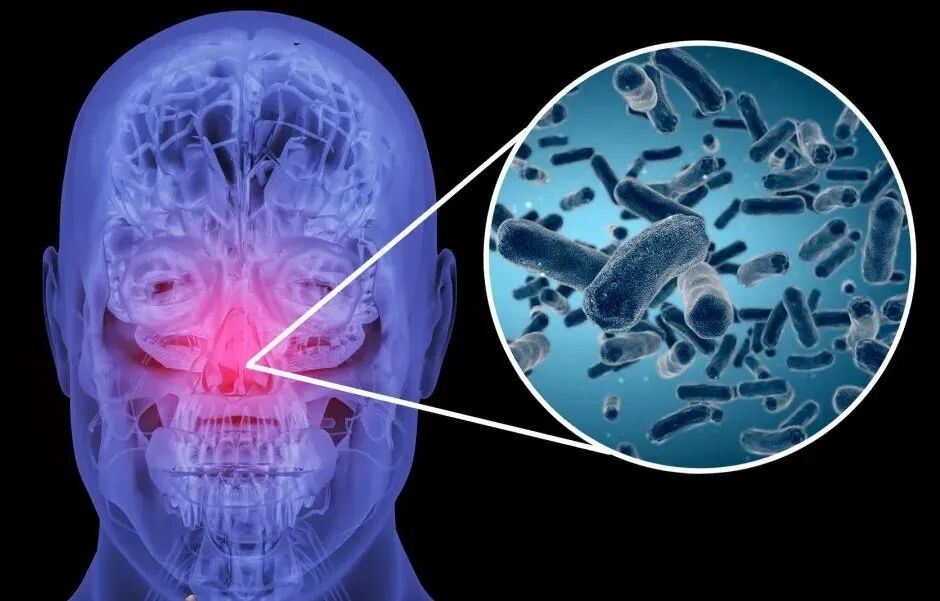
The three conventional cancer treatment methods—surgery, radiotherapy, and chemotherapy—cannot completely eliminate all cancer cells, especially the micrometastatic lesions. The final cleanup work (clearing the remaining cancer cells in the body) still relies on the body's immune system as a built-in "biological scavenger" to serve as a supplementary mechanism to complete it.
Therefore, Mr. Zhao and his family sought out Professor Zhang Minghui, an immunology expert from Tsinghua University. Professor Zhang's research focuses on vNKT cells, known as "specialized immune cells," which can enhance the immune system's "dual clearance
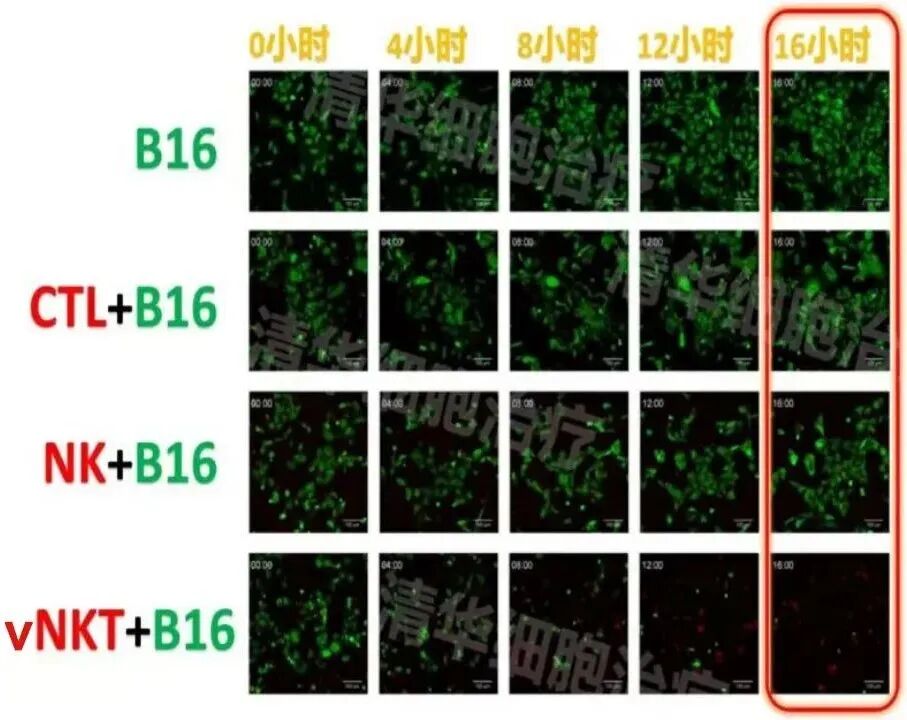
Experimental conditions: In the presence of vNKT cells, after 16 hours, nearly all B16 tumor cells were killed!
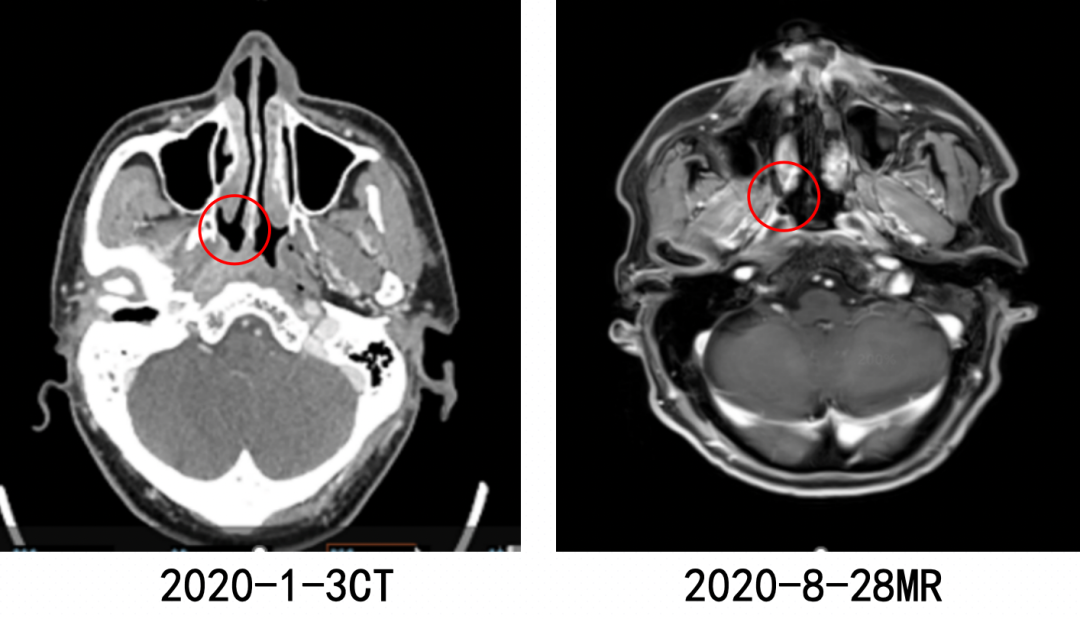
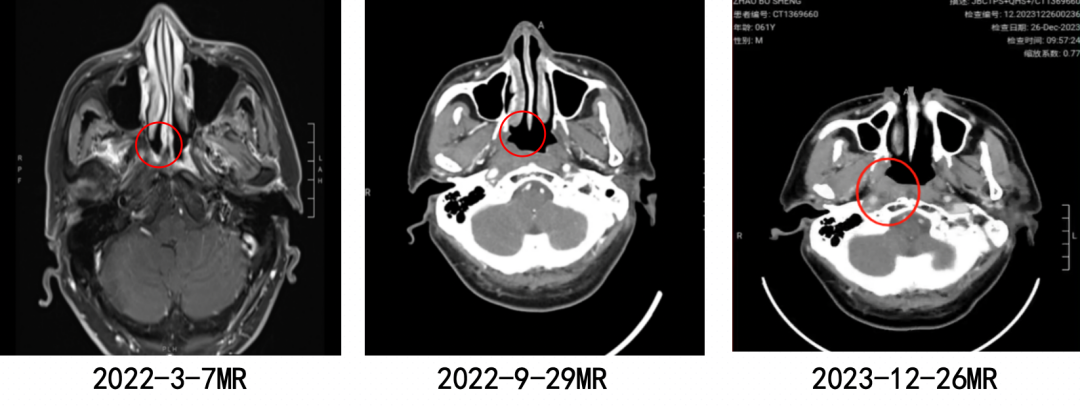
Nasopharyngeal imaging findings: In January 2020, the nasopharyngeal mucosa was extensively thickened, and the right nasopharyngeal wall was thickened to form a mass, extending outward to involve the right parapharyngeal space. From August 2020 to March 2022, the mass disappeared upon follow-up examination. The right pharyngeal recess and the pharyngeal ostium of the Eustachian tube were narrowed, and the parapharyngeal fat space was narrowed. Considering the medical history, it was considered to be a post-treatment change. On September 29, 2022, April 18, 2023, and December 26, 2023, follow-up examinations showed that the pharyngeal ostium of the Eustachian tube was shallower than that in March 2022, while the rest remained unchanged compared to previous findings.
Conclusion and Review< H208>
Nasopharyngeal cancer is not uncommon, especially in China!
Many people may rarely hear of nasopharyngeal cancer, but in fact, patients with nasopharyngeal cancer are not uncommon in China. Worldwide, 80% of nasopharyngeal cancer patients are in China[1], and the incidence rate of nasopharyngeal cancer in Guangdong region of China is even 20 times higher than that in other low-incidence areas. Therefore, nasopharyngeal carcinoma also has another name, "“Guangdong cancer ”[2]."
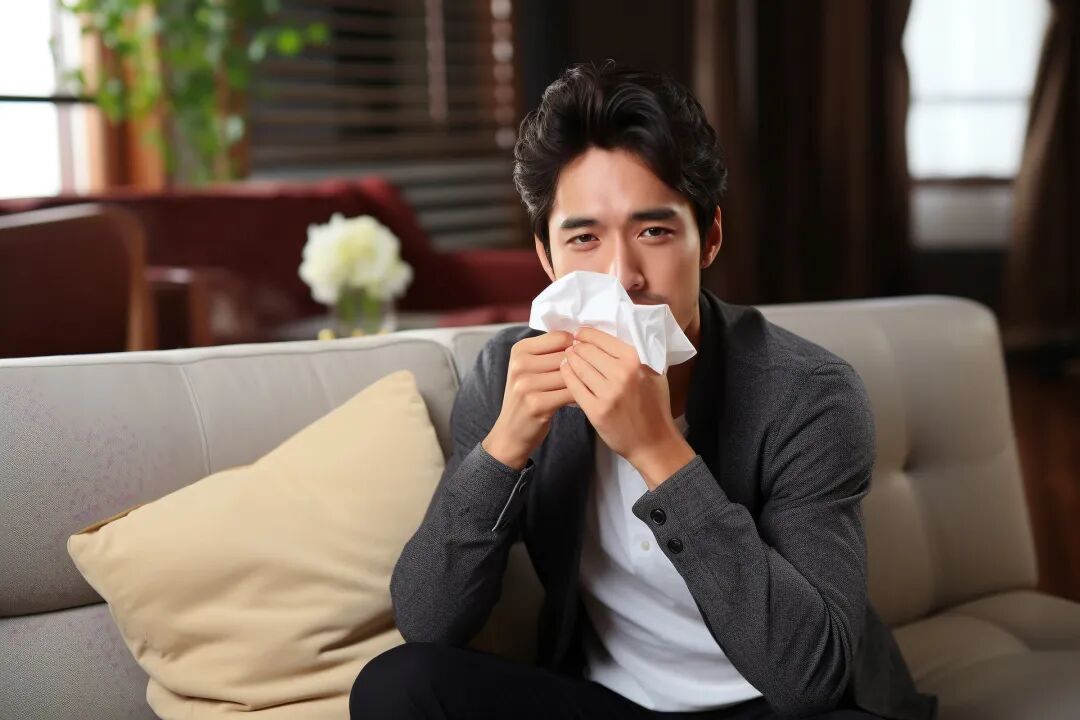
1. Nasal congestion
This is the symptom most easily confused with rhinitis. Nasal congestion caused by rhinitis can usually be alleviated through medication. However, many symptoms of nasopharyngeal cancer, although somewhat similar to those of rhinitis, are generally not responsive to treatment with medication. If long-term nasal congestion occurs, it is recommended to seek medical attention.
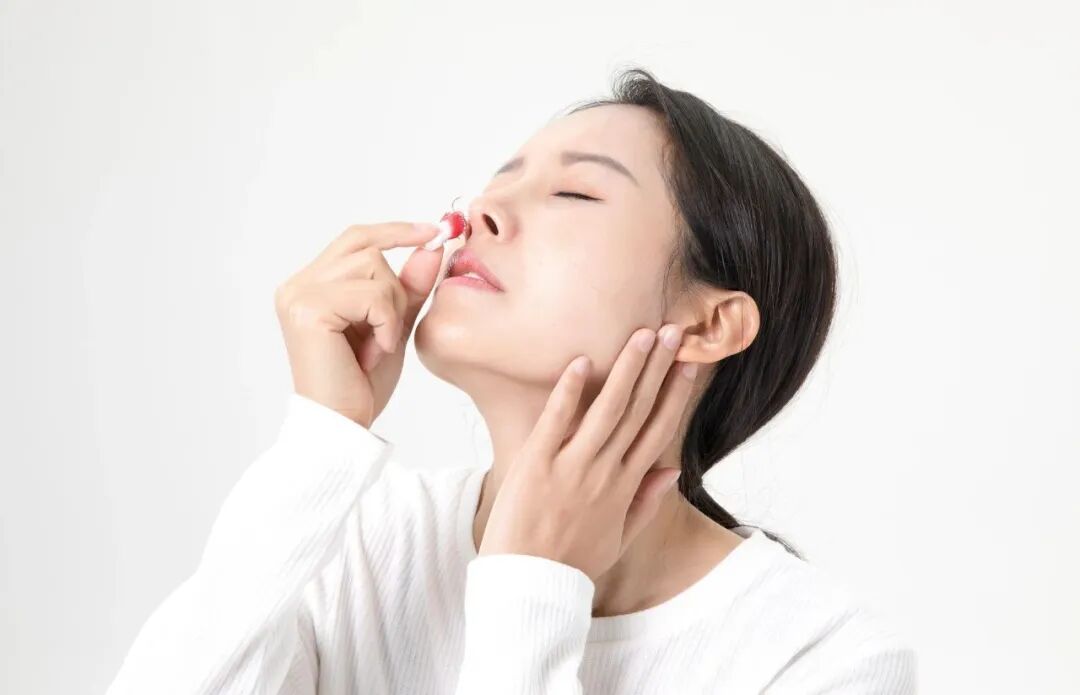
2. Blood in nasal mucus
A typical early symptom of nasopharyngeal cancer is the presence of blood streaks or clumps in nasal mucus when forcefully inhaling from the nose, especially upon waking up in the morning.
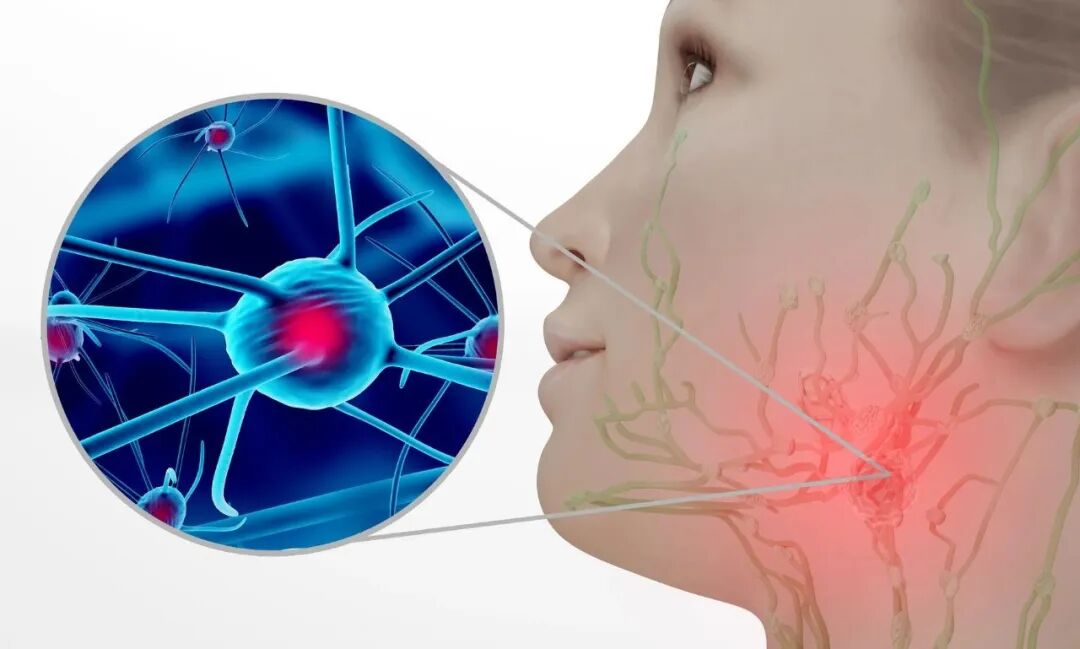
3. Painless enlargement of cervical lymph nodes
In patients with nasopharyngeal carcinoma, approximately 60%~80% initially present with cervical masses[3], usually in the retroauricular and upper cervical regions.
4. Headache
Headaches caused by early nasopharyngeal cancer are usually intermittent, often located on one side of the temporal, parietal, or occipital regions, and manifest as throbbing or sharp pain. Such headaches may be related to tumor invasion of the skull base or cranial nerves. As the disease progresses, the headache may gradually worsen, even becoming persistent, and symptoms may be more pronounced at night.

5. Hearing problems
may be ear congestion, tinnitus, or hearing loss. When the tumor blocks the eustachian tube opening, tinnitus and ear congestion appear, and further progression leads to hearing loss. At this time, it must not be misdiagnosed as an ear disease.
Looking back and comparing with Mr. Zhao's earliest symptoms, 5of the major symptoms match with 3items. It is important to pay attention to the differentiation of early symptoms, as health is not trivial.

Remember to share the life-saving knowledge with your family and friends ~ and forward it
[1]Long Z, Wang W, Liu W, et al. Trend of nasopharyngeal carcinoma mortality and years of life lost in China and its provinces from 2005 to 2020. Int J Cancer. 2022; 151(5):684-691.
[2]Miao Xu, Youyuan Yao, Jianjun Liu, et.al. Genome sequencing analysis identifies Epstein–Barr virus subtypes associated with high risk of nasopharyngeal carcinoma. Nature Genetics 17 June 2019
[3]Zhang Zengxiao, Jiang Jiaxin, Jiang Yan. The pattern of nasopharyngeal carcinoma invading and developing around [J]. Chinese Journal of Otorhinolaryngology Head and Neck Surgery, 2022, 57(11) : 1378-1383.
[4]He Meilin,Yi Junlin.Current status of treatment for recurrent nasopharyngeal carcinoma[J].Chinese Journal of Radiation Oncology, 2021, 30(11):1202-1208.
If you or your family members are facing treatment choice difficulties, scan the QR code below and add the assistant WeChat to obtain:< H184>
Professor Zhang Minghui's second diagnosis and treatment opinion:Personalized treatment planProfessional strengthHelpYou find the most suitable survival strategy.
Join the Anti Cancer Mutual Aid Community:Share experiences with more patients and obtain real case support.

Scan QR code
Communicate with Professor Zhang Minghui's team
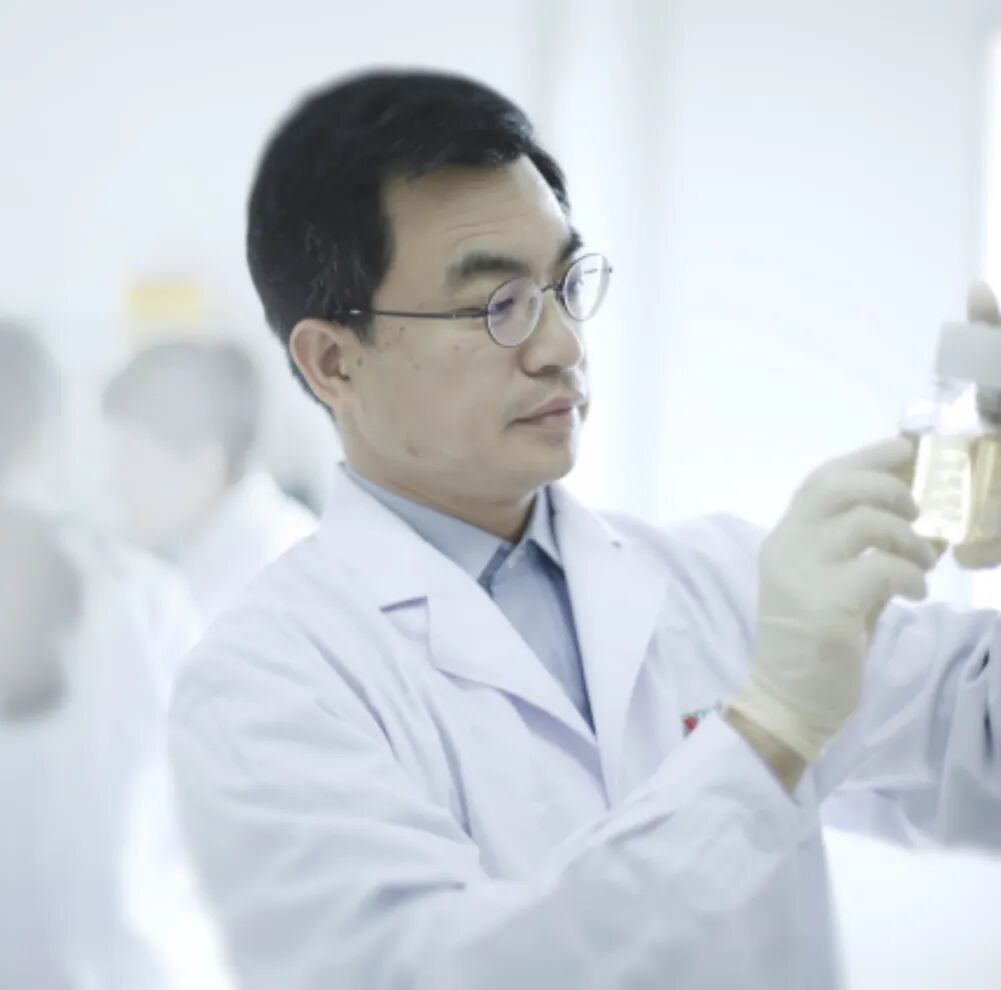
Founder of Lehexin Medical
Professor Zhang Minghui, a PhD in Immunology from Tsinghua University School of Medicine, has led a research team for over 20 years since the discovery of vNKT cells in 2002. They have accumulated treatment experience in over 700 cases of solid tumors, covering almost all common solid tumors. The research results fully demonstrate the great value of vNKT cells in the treatment of solid tumors.
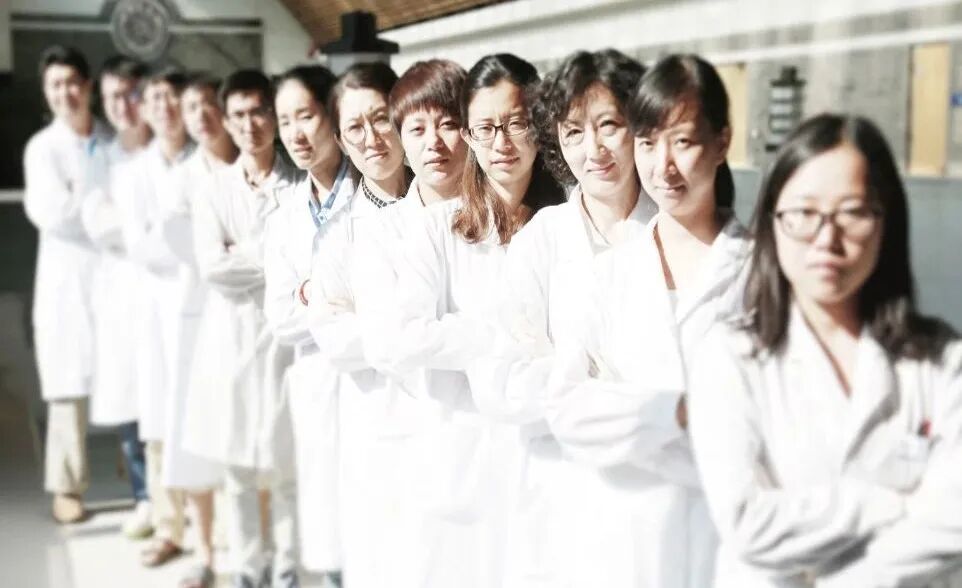
It is suitable for postoperative patients with high pathological malignancy or a risk of recurrence; patients whose tumors have been basically controlled but not cured through conventional treatments such as chemotherapy, radiotherapy, and targeted therapy; patients with persistent high carcinogenic factors; and patients intolerant to radiotherapy and chemotherapy. If these patients do not receive effective follow-up treatment after traditional anti-tumor therapy, recurrence, metastasis, or reoccurrence of tumors will be highly probable. In this case, vNKT cell therapy is an ideal follow-up treatment method, which can significantly improve the prognosis of patients.
Click on the image to view past exciting content


Address: Room 1101 (Unit 101), 11th Floor, Building 1, No. 7 Courtyard, Kexueyuan Road, Life Science Park, Changping District, Beijing
Phone:010-8265 9866
Email:lehemedneo@hotmail.com