Contact Us Careers
Other Solid Tumors

The patient had a recurrence of bladder cancer 6 months after surgery, and underwent multiple surgeries and chemotherapy. Cell therapy provided the patient with a better prognosis

时间:2026-04-22 人气:

If you find it difficult to understand the subsequent professional descriptions, you can quickly read through this text within two minutes.

Overview of the disease


This is Mr. Xi's third condition evaluation. Previous content can be viewed by clicking the link below .


Third evaluation

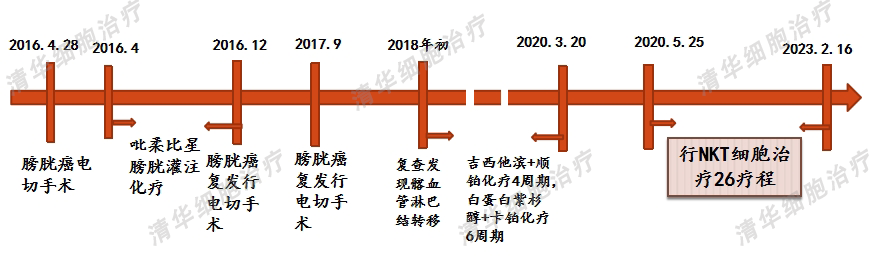
In April 2016, Mr. Xi experienced gross hematuria without pain, and further examination confirmed bladder cancer. He immediately underwent bladder cancer electrosurgery. Postoperative pathology showed high-grade urothelial carcinoma, invading the lamina propria (no muscular layer involvement), with a postoperative staging of T1N0M0. From April 2016 to December 2016, he underwent bladder instillation with pirarubicin.
However, the surgery did not completely cure the disease. In December 2016 and September 2017, he experienced multiple recurrences and underwent cystoscopic electrosurgery. On September 21, 2017, the pathology report showed: (bladder tumor) high-grade invasive urothelial carcinoma, with visible vascular thrombi, tumor invasion into the lamina propria, and no involvement of smooth muscle.
In early 2018, a follow-up examination revealed iliac lymph node metastasis, and four cycles of chemotherapy were administered, using the regimen of gemcitabine plus cisplatin.
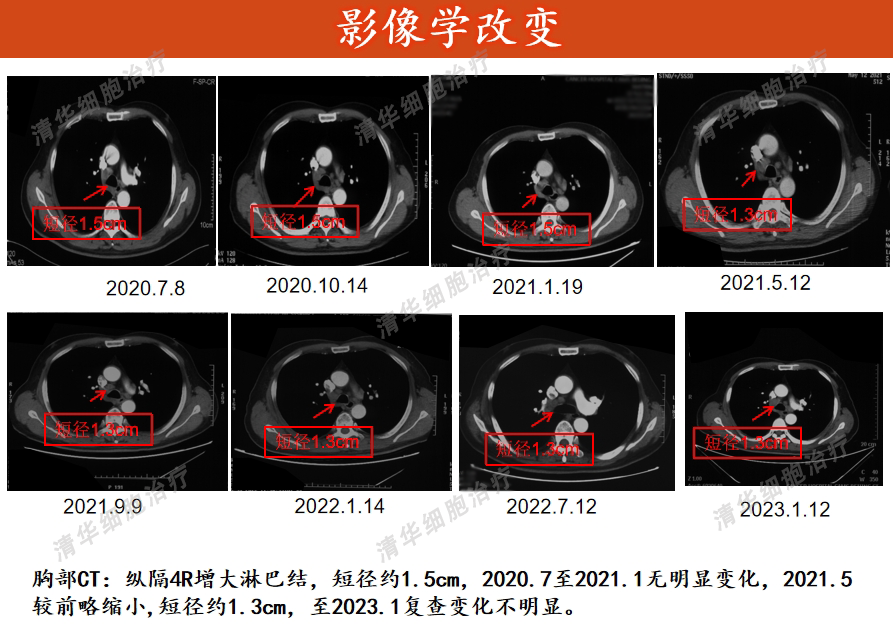
In 2019, a follow-up examination showed further progression, with increased and larger retroperitoneal, iliac lymph node, and parasternal psoas muscle nodules compared to previous findings, suggesting metastasis. Mr. Xi had no choice but to undergo six cycles of chemotherapy with albumin paclitaxel plus carboplatin.
Department
Pu
Small
Knowledge

Recognition


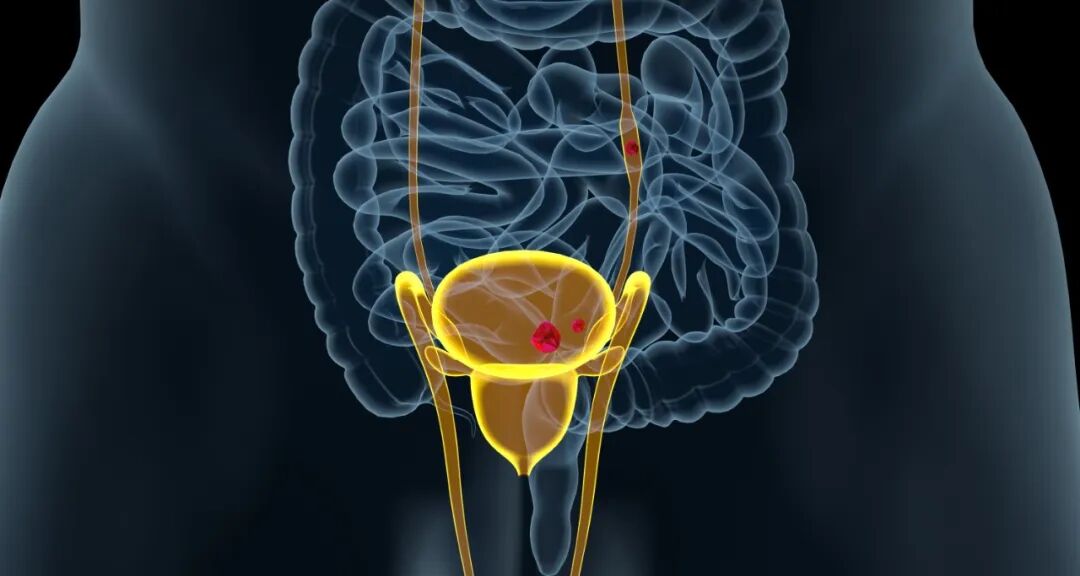
Bladder cancer transurethral resection surgery  

Transurethral resection of bladder tumor (TURBt), also known as transurethral resection of bladder tumor, is both a primary diagnostic method and a treatment approach for bladder cancer. It is currently the gold standard for the treatment of non-muscle-invasive bladder cancer. TURBt utilizes a resectoscope, which is a cystoscope equipped with a resection loop, and a high-frequency electrosurgical generator capable of delivering cutting and coagulating currents. Transurethral resection of bladder tumor (TURBt) is the gold standard for the treatment of non-muscle-invasive bladder cancer. However, removing bladder tumors in fragmented pieces violates the principle of en bloc resection of cancerous tumors. In recent years, the en bloc resection technique for bladder tumors has been improved based on traditional TURBt, starting from the bottom of the tumor to completely remove it, reducing the postoperative recurrence rate.
 

Through a friend's recommendation, Mr. Xi contacted the team of Professor Zhang Minghui from the School of Medicine, Tsinghua University. After reviewing Mr. Xi's medical records, Professor Zhang made the following analysis and judgment:
1. The patient discovered the bladder tumor in a timely manner, underwent radical surgery, and completed postoperative conventional chemotherapy. Fortunately, the clinical stage was relatively early.  
2. However, the pathological results revealed high-risk factors - "high-grade tumor" and "vascular thrombus". The traditional surgery + chemotherapy regimen did not effectively address the issues of recurrence and metastasis. Mr. Xi experienced recurrence only six months later, and despite undergoing three surgeries and two rounds of chemotherapy within two years, the disease remained uncontrolled, as evidenced by the recurrence of iliac vascular metastasis. The multiple treatments also caused him significant side effects.  
3. To prevent recurrence or metastasis, previously untried treatments are needed. vNKT immune cell therapy has unique advantages for patients like Mr. Xi. It can not only eliminate residual tumor cells but also prevent the aggregation of free cancer cells, effectively reducing the risk of metastasis and recurrence. Furthermore, it has no significant side effects and is patient-friendly.  
 

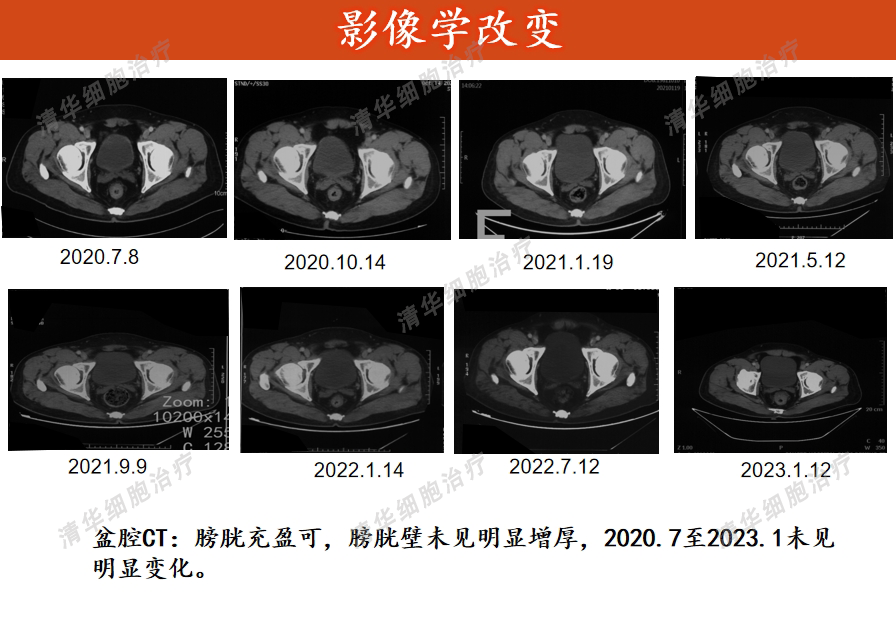
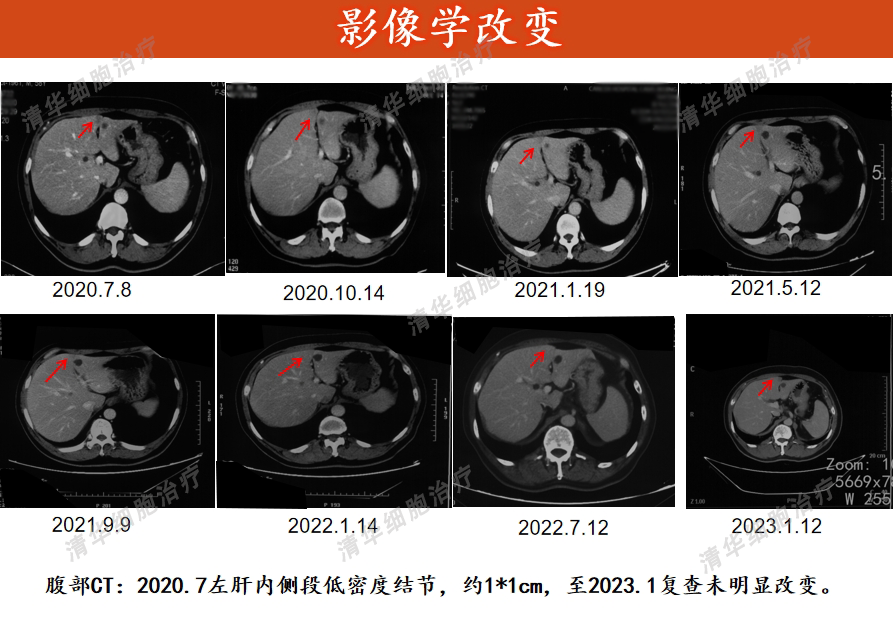
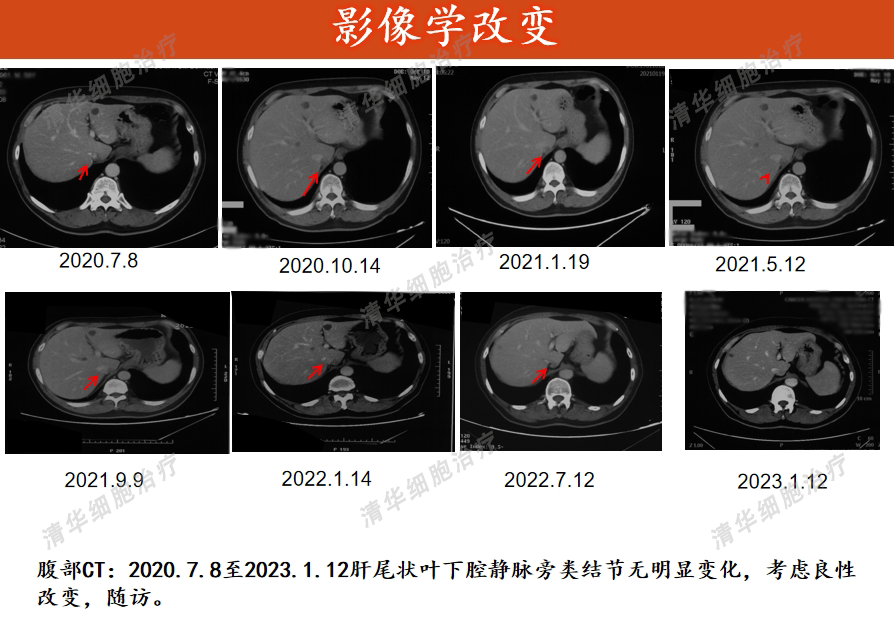
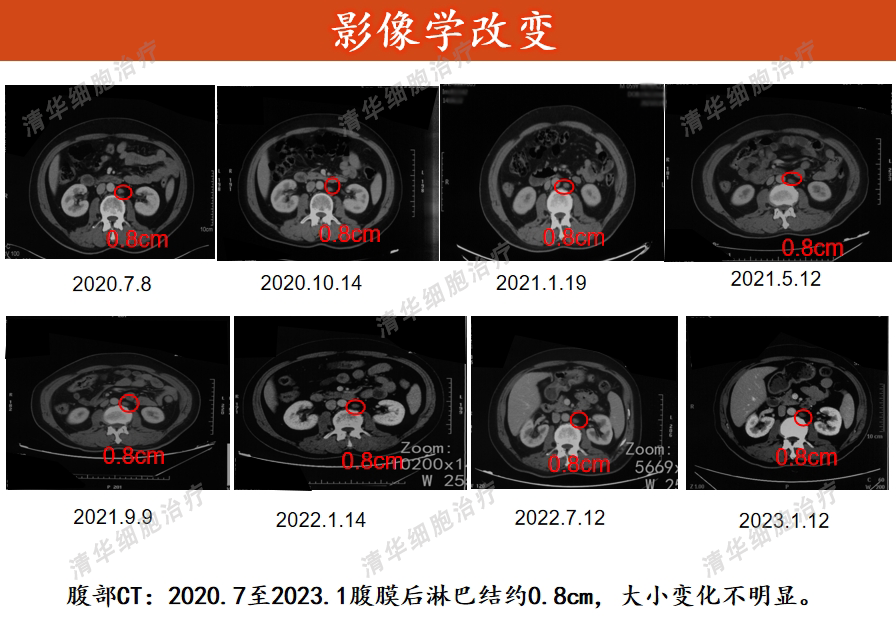
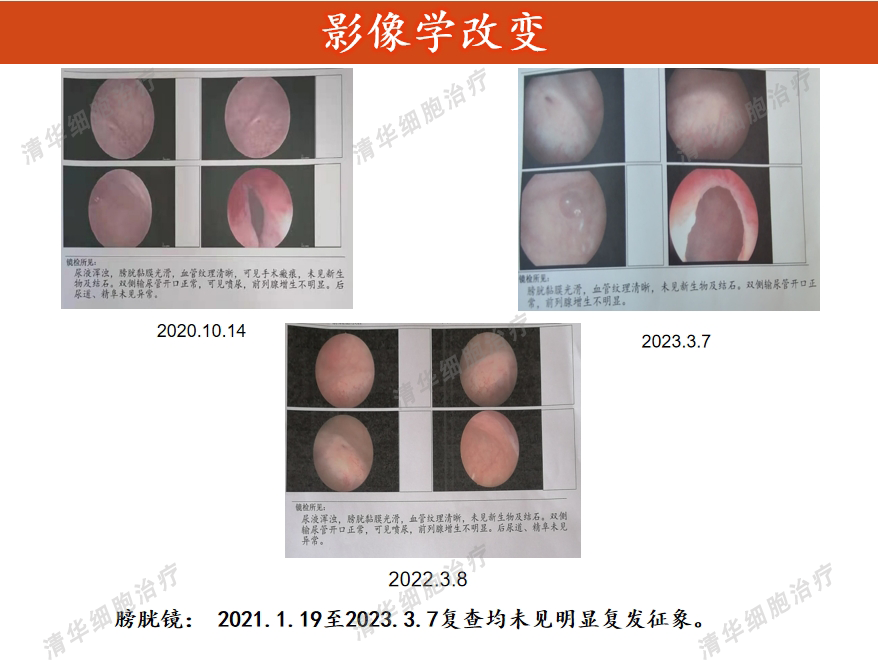
Mr. Xi received vNKT immune cell therapy in May 2020 and has completed 26 courses of treatment (as of February 2023). During this period, multiple follow-up examinations have shown no signs of significant tumor progression, and the overall evaluation is stable!

Image Aspects


 Conclusion and Comments


During over two years of vNKT treatment, Mr. Xi's physical condition has significantly improved, with a weight gain of 1-3KG. He reported fewer colds and fever during spring and winter, and his quality of life has been excellent, scoring 92 points (previously 84.5).
After undergoing vNKT cell therapy, Mr. Xi achieved the expected results. After nearly three years of follow-up, no tumor recurrence or metastasis was observed, and his quality of life improved.
Medical records of 524 bladder cancer patients diagnosed and treated between 2010 and 2019 were collected. Basic patient information, pathological stage, surgical method, chemotherapy, radiotherapy, and other treatment information were gathered, and patients were followed up. Kaplan-Meier survival analysis and Cox regression analysis were used to explore the correlation between various prognostic factors. Kaplan-Meier survival analysis showed that factors such as pathological stage, lymph node metastasis, age, gender, surgical method, radiotherapy, and chemotherapy are closely related to patient survival. Cox regression analysis further revealed that pathological stage, lymph node metastasis, and age are independent factors affecting prognosis. Among them, the higher the T stage, the greater the N stage, and the older the age, the worse the prognosis. The prognostic factors of bladder cancer are complex and diverse, but pathological stage, lymph node metastasis, and age are independent factors affecting prognosis. [1].
Mr. Xi's tumor has multiple risk factors such as "high-grade tumor" and "vascular cancer thrombus", and recurrence occurred only 6 months after the first surgery.In order to achieve long-term stability, Mr. Xi chose NKT cell therapy and achieved the expected results. During this process, NKT cell immunotherapy plays an indispensable role in reducing the risk of recurrence and metastasis and strengthening the immune system, thereby providing patients with long-term stability.

Reference:< H386>

【1】Quan J, Zhang W, Yu C, Bai Y, Cui J, Lv J, Zhang Q. Bioinformatic identification of prognostic indicators in bladder cancer. Biomark Med. 2020 Sep; 14(13):1243-1254. doi: 10.2217/bmm-2020-0316. Epub 2020 Aug 4. PMID: 32749145.

Review of NKT Cell Classic Cases

Click on the image

to view