About Lehe
乐于心,和与众,与己乐,与人和; 心宽念纯,百病无生。


乐于心,和与众,与己乐,与人和; 心宽念纯,百病无生。


What is the biggest fear of cancer patients?
Is it the high malignancy of the tumor?
Is it recurrence and metastasis?
Is it being tortured by surgery, radiotherapy, and chemotherapy?
Is it watching life slip away and feeling powerless?
The protagonist in today's case has encountered the most difficult type of gastric cancer, signet-ring cell carcinoma. However, up to now, she has created a vitality of over 10years of survival after gastric cancer surgery, amidst these numerous difficulties. Let's delve into Ms. Liu's journey of fighting cancer.

In September 2015, Ms. Liu presented to the hospital due to ""discomfort in the upper abdomen for half a year", and was diagnosed with "gastric cancer.". On 25th day of month of 2015, Ms. Liu underwent a radical gastrectomy for completed type I gastric cancer. Postoperative pathology revealed (stomach) moderately - differentiated adenocarcinoma, with local components of signet ring cell carcinoma and mucinous adenocarcinoma, invading the submucosal layer, and lymph node metastatic cancer 6/32. Postoperative staging was pT1bN2M0 stage ⅡA. On
2015year10month9day, the patient began to receive adjuvant chemotherapy after the SOXprotocol. The chemotherapy was continued until 2016year1month11day, with a total of 5cycles. After the 4thand 5thcycles of chemotherapy, the patient developed grade 3myelosuppression. Due to poor tolerance, on 2016year3month15day, the patient switched to single-agent chemotherapy with temozolomidefor cycles. However, during the 3th cycle, the medication was discontinued due to severe numbness in the hands and feet.
Let's summarize the key points of Ms. Liu's condition:
Gastric -poorly differentiated adenocarcinoma , with a moderately low level of differentiation, showing significant differences from normal cells, and a relatively high degree of malignancy, with potentially rapid growth and spread.
Locally accompanied by signet-ring cell carcinoma and mucinous adenocarcinoma , both of which are highly malignant pathological types of gastric cancer, with signet-ring cell carcinoma being highly invasive, prone to invasion and metastasis, and having a relatively poor prognosis . According to statistics, the incidence rate of gastric signet-ring cell carcinoma in East Asia is around 10%, while in Western countries, it ranges from 25% to 30%. It tends to affect women and younger patients[1]. Mucinous adenocarcinoma also has a high level of malignancy and is prone to metastasis.
Lymph node metastatic cancer6/32, indicating that among 32lymph nodes resected surgically, 6had metastatic cancer. This usually indicates that the cancer has spread from the primary site to regional or distant lymph nodes, as can also be seen in the subsequent cancer staging N2 stage.
The above information indicates that Ms. Liu still faces a high risk of recurrence and metastasis after her gastric cancer surgery. Postoperative adjuvant chemotherapy is a crucial method to reduce the risk of recurrence and metastasis and improve survival rates.
Due to chemotherapy intolerance, Ms. Liu experienced grade 3 bone marrow suppression3 after chemotherapy, with severe reductions in white blood cells, red blood cells, and platelets. Symptoms such as pallor, weakness, nosebleeds, decreased appetite, and low-grade fever emerged. This necessitated the doctor to adjust Ms. Liu's chemotherapy drugs and regimen. However, the improvement was short-lived. During the third cycle of drug replacement, the patient developed severe hand and foot numbness, forcing the medication to be discontinued midway.
Under the immense pressure of Ms. Liu and her family feeling hopeless and anxious about recurrence and metastasis every day, Professor Zhang Minghui's team from Tsinghua University Immunology took over Ms. Liu's request for help.
After a comprehensive analysis of Ms. Liu's condition, Professor Zhang Minghui's Lehe New Medical Team believes that:< H35>
1、 Ms. LiuMultiple indications suggest a high risk of recurrence and metastasis after surgery;
2、 ChemotherapyOccurrenceAdverse reactions such as bone marrow suppression and neurotoxicity force patients to interrupt treatment,Increased risk of recurrence;
3、 Early treatment severely damages the immune system and weakens the body."Natural protective barrier".
For subsequent treatment measures, targeting high-risk factors such as lymph node metastasis, moderate-to-poorly differentiated adenocarcinoma, it is optimal to strengthen immune monitoring and eliminate micrometastasis, while also considering low side effects, Therefore,Professor Zhang Minghui's Lehe New Medical Team customized a vNKTcell immunotherapy treatment planfor Ms. Liu, starting treatment from March 20163.

NKT cells (Natural killer T cells) are a special T-cell subset with both T-cell receptor (TCR) and NK cell receptors on their surface. They possess important characteristics of both NK cells and T cells, with the dual ability to recognize tumor cells nonspecifically and specifically, and can rapidly kill tumor cells. Among the NKT cell subsets, there is a larger and more potent special type of NKT cell, discovered by the experimental team led by Professor Zhang Minghui of Tsinghua University, known as vNKT (Variant Natural Killer T) cells.
The number of these vNKT cells in the body is very small, and they are not easily activated. However, once activated, they can defeat hundreds of times their number and eliminate tumor cells that may remain undetected in the body. In addition, research has also found that vNKT cells have dual anti-tumor effects. Not only can they directly kill cancer cells, but they can also regulate the immune microenvironment within tumor tissues, kill inhibitory immune cells such as myeloid-derived suppressor cells (MDSCs), break tumor immune escape, rebuild the normal immune system, and further prevent recurrence and metastasis.
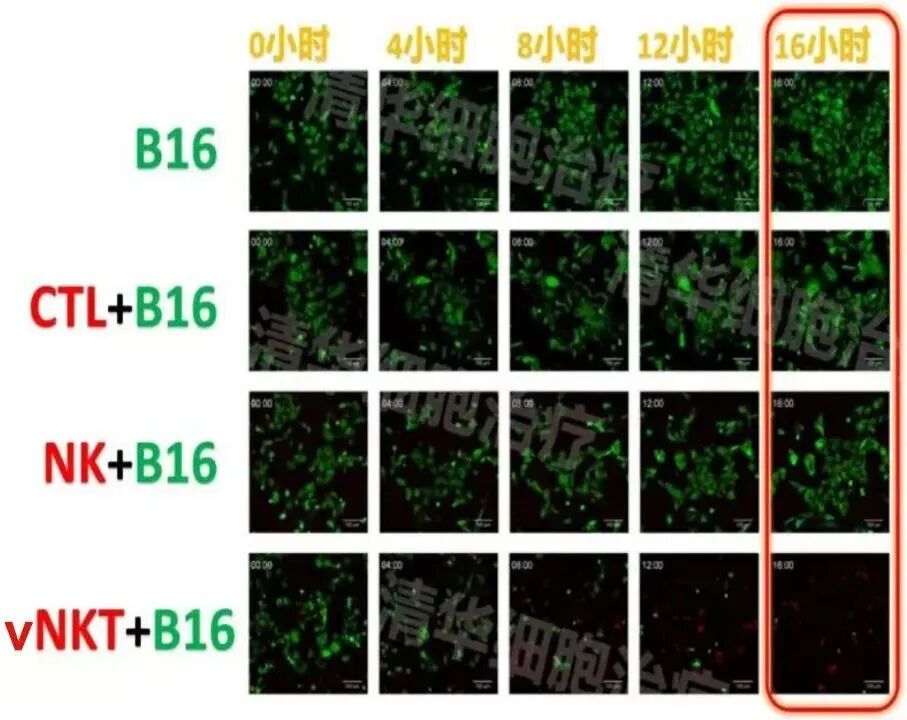
Experimental conditions: In the presence of vNKT cells, nearly all B16 tumor cells were killed after 16 hours!
Besides checking the indicators, Ms. Liu herself also felt that her life and work were gradually recovering from the shadow of chemotherapy intolerance and gastric cancer recurrence and metastasis, returning to a normal state. Although she had undergone gastric surgery, after vNKT cell therapy, Ms. Liu's appetite recovered even better than before, her weight increased by 1~3kg, and her complexion was no longer sickly.
Myelosuppression is not uncommon in chemotherapy patients. The results of China's first large-scale survey on myelosuppression data, involving over 10,000 participants and initiated by the Clinical Oncology and Chemotherapy Professional Committee of the Chinese Anti-Cancer Association, show that currently the incidence of myelosuppression in chemotherapy patients in China is as high as 44.2%, with almost one in every two chemotherapy patients experiencing myelosuppression. Approximately 1/3of patients will experience two or more types of blood cell reductions simultaneously[2].
The occurrence of chemotherapy intolerance does not mean that patients can only passively wait for tumor recurrence and metastasis. Timely follow-up with vNKT cell immunotherapy is the optimal time to reverse tumor recurrence and metastasis. , is 90%New options that are yet unknown to patients with high-risk factors.
Cellular immunotherapy enhances its therapeutic effect through in vitro techniques using autologous or allogeneic immune cells, and then reinfuses them back into the human body to achieve functions such as killing tumor cells. The core of this treatment method is to utilize the natural function of immune cells to effectively eliminate tumor cells that may remain in the body but cannot be detected by existing technical means, thereby effectively preventing tumor recurrence and metastasis.
Cellular immunotherapy also eliminates concerns about drug resistance issues, as immune cells rely on the mobilization of the entire immune system to control tumors after entering the body. Once effective, it is a suppressive “strangling” of cancer cells.
Seeing is believing, hearing is not always true
If you need exclusive consulting advice from Professor Zhang Minghui's team, scan the QR code to add Professor Zhang's assistant to obtain it.

Scan QR code
Communicate with Professor Zhang Minghui's team
[1]Ding Jishuang, Zhao Weizhu, Liu Luguang, et al. Clinical pathological characteristics and current diagnosis and treatment of gastric signet-ring cell carcinoma. Chinese Journal of Cancer Prevention and Treatment, 2023, 30(10): 625-630.
[2]Ming Jian|Survey on the current status of chemotherapy-related bone marrow suppression and clinical management in China
Founder of Lehe New Medicine
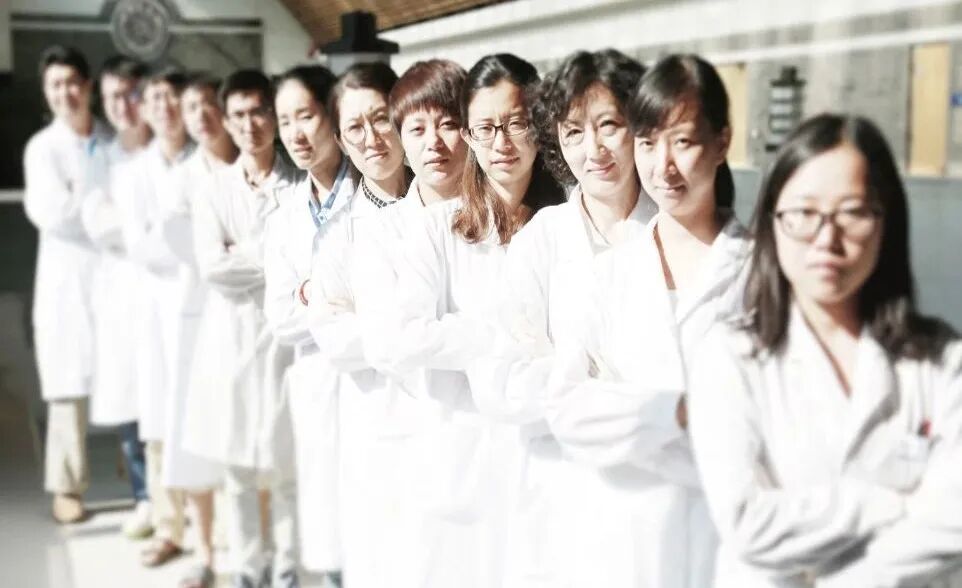
Professor Zhang Minghui, a Ph.D. in Immunology from Tsinghua University School of Medicine, has led a research team for over 20 years since the discovery of vNKT cells in 2002. They have accumulated treatment experience in over 700 cases of solid tumors, covering almost all common solid tumors. The research results fully demonstrate the great value of vNKT cells in the treatment of solid tumors.
It is suitable for postoperative patients with high pathological malignancy or a risk of recurrence; patients whose tumors have been basically controlled but not cured after conventional treatments such as chemotherapy, radiotherapy, and targeted therapy; patients with persistent high carcinogenic factors; and patients intolerant to radiotherapy and chemotherapy. If these patients do not receive effective follow-up treatment after traditional anti-tumor therapy, recurrence, metastasis, or reoccurrence of tumors will be highly probable. In this case, vNKT cell therapy is an ideal follow-up treatment method, which can significantly improve the prognosis of patients.
Click on the image to view past exciting content


Address: Room 1101 (Unit 101), 11th Floor, Building 1, No. 7 Courtyard, Kexueyuan Road, Life Science Park, Changping District, Beijing
Phone:010-8265 9866
Email:lehemedneo@hotmail.com