About Lehe
乐于心,和与众,与己乐,与人和; 心宽念纯,百病无生。


乐于心,和与众,与己乐,与人和; 心宽念纯,百病无生。



Primary liver cancer is a common malignant tumor in China, predominantly occurring in the southeast coastal areas and affecting people aged 40 to 50. The incidence rate is higher in males than in females. Currently, it is believed that the occurrence of this disease is closely related to aflatoxin, viral hepatitis, cirrhosis, and environmental factors. The 5-year survival rate for liver cancer patients in China is approximately 14% [1]. Currently, liver transplantation is the optimal treatment option for liver cancer [2], but due to strict medical indication restrictions, donor availability, and cost, only a small number of patients can undergo liver transplantation [3]. Therefore, hepatectomy remains the preferred treatment option [4]. Unfortunately, the 3-year recurrence rate after hepatectomy is as high as 50%, and the overall 5-year survival rate is only 40% to 60% [5]. Recurrence is the most significant factor affecting the prognosis of liver cancer patients and is also the most urgent challenge that needs to be addressed in the current treatment of liver cancer.
The factors contributing to postoperative recurrence of liver cancer are relatively complex, primarily encompassing the following aspects:
The larger the tumor, the higher the risk of postoperative recurrence; the risk of postoperative recurrence in multiple tumors is higher than that in solitary tumors; the risk of postoperative recurrence in poorly differentiated tumors is higher than that in well differentiated tumors; tumor invasion of blood vessels increases the risk of postoperative recurrence; incomplete tumor capsule increases the risk of postoperative recurrence.
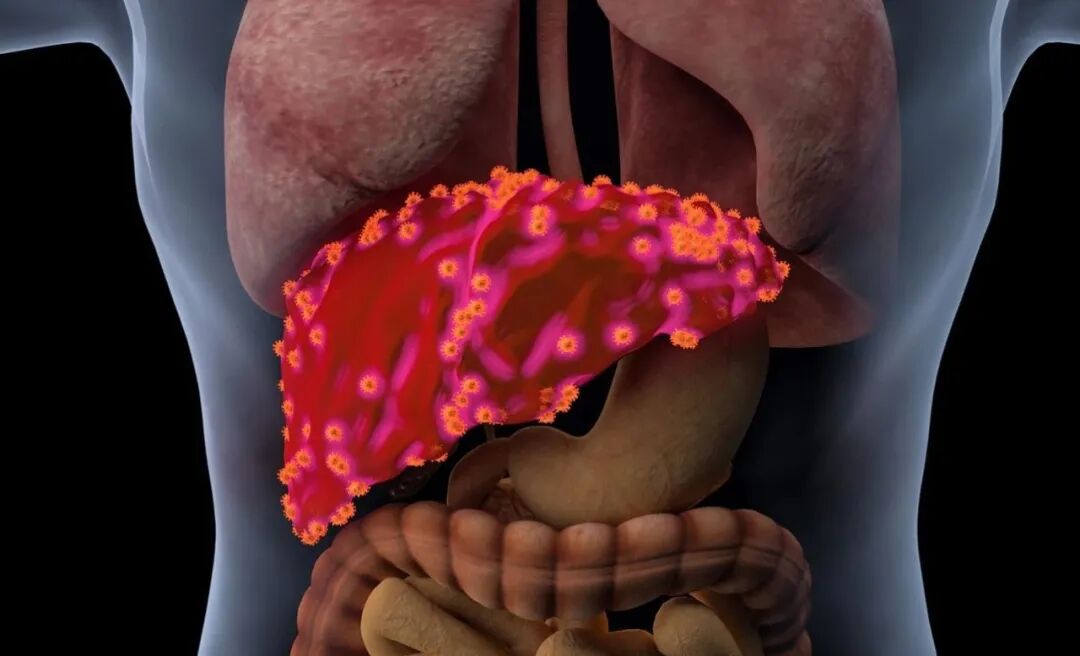
The severer the degree of cirrhosis, the higher the risk of postoperative recurrence; infection with hepatitis B virus increases the risk of postoperative recurrence; diabetes increases the risk of postoperative recurrence.
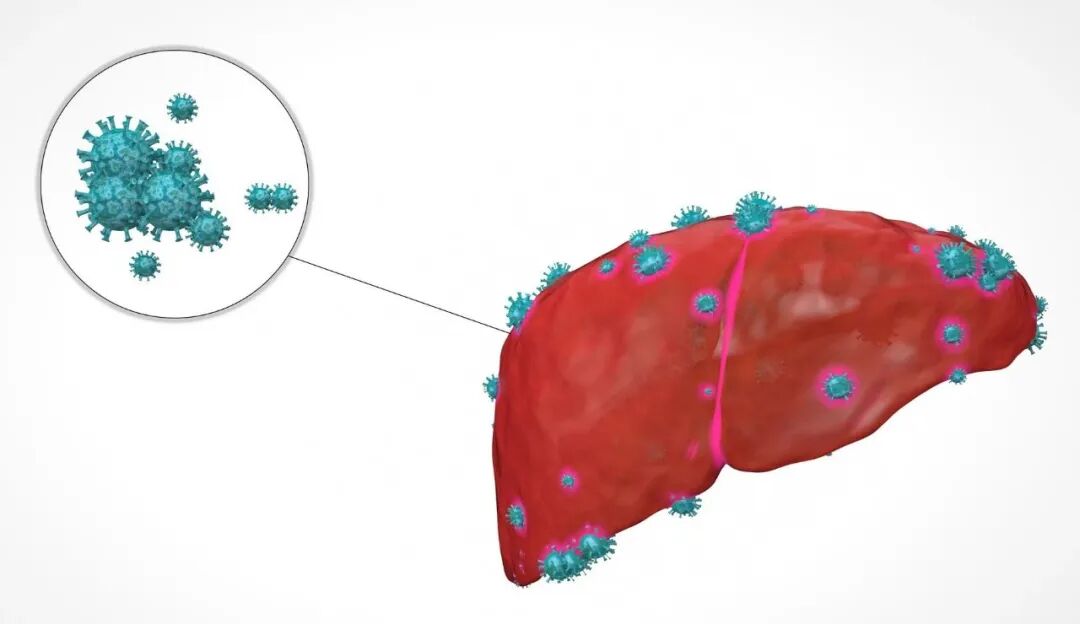
Insufficient surgical resection or improper surgical technique can increase the risk of postoperative recurrence.

Although the recurrence rate of liver cancer after surgery is high and there are many influencing factors, scientific and effective postoperative adjuvant therapy can reduce the risk of postoperative recurrence.
So, in today's rapidly developing science, is there a method that can provide such patients with long-term and stable treatment effects? Let's take a look at the treatment process of Mr. Yan and see what insights we can gain.
Overview of the illness
Treatment History
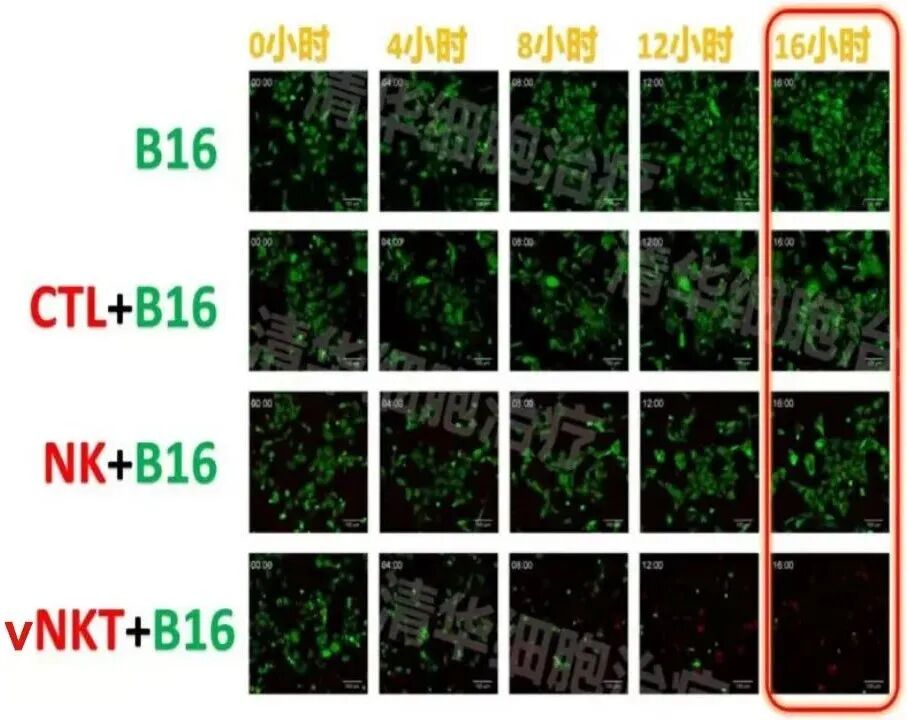
Experimental conditions: In the presence of vNKT cells, after 16 hours, nearly all B16 tumor cells were killed!
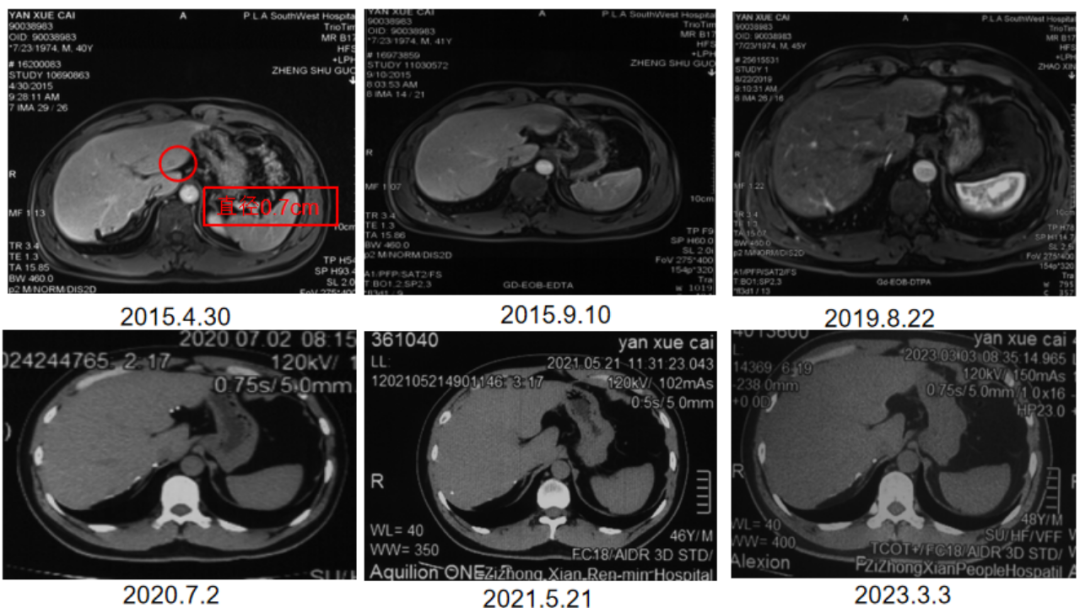
Professor Zhang introduced vNKT treatment technology and the treatment outcomes of previous cases in detail to Mr. Yan and his family, and provided detailed answers to Mr. Yan's questions. After thorough communication, he finally obtained the unanimous approval of Mr. Yan and his family. Starting from November 2015, vNKT cell immunotherapy was adopted, and 35 courses were completed by March 2023. Currently, the patient's condition is stable with no signs of recurrence or metastasis. The patient is in good mental state, with good appetite and sleep, and a good quality of life.
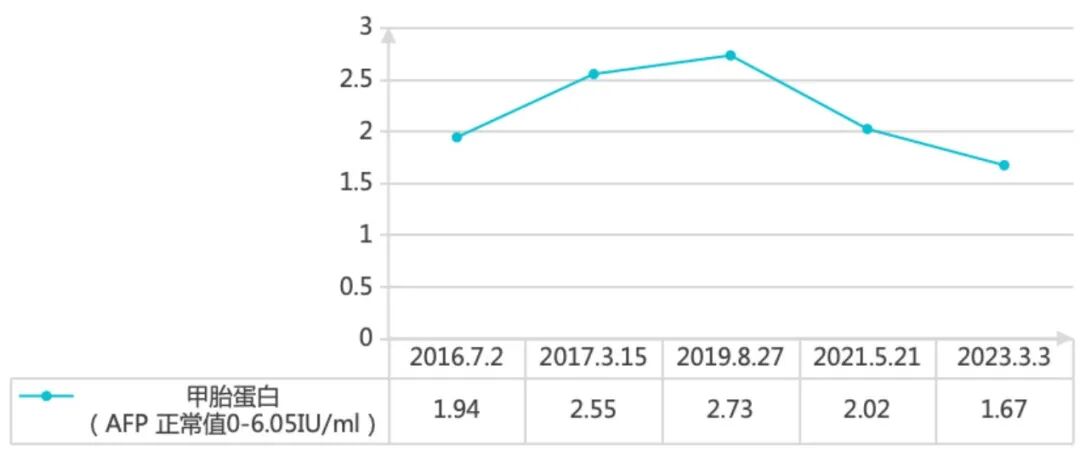
Changes in tumor markers
Imaging changes
Conclusion and Commentary

References:
[1] CONCORD Working Group. Global surveillance of trends in cancer survival 2000-14 (CONCORD-3): analysis of individual records for 37,513,025 patients diagnosed with one of 18 cancers from 322 population-based registries in 71 countries[J]. Lancet, 2018; 391(10125):1023-75.
[2]MURAI H, KODAMA T, MAESAKA K, et al. Multiomics identifies the link between intratumor steatosis and the exhausted tumor immune microenvironment in hepatocellular carcinoma[J]. Hepatology, 2023, 77(1): 77-91. DOI: 10.1002/hep.32573
[3]HILL A, OLUMBA F, CHAPMAN W. Transplantation for hepatocellu⁃ lar carcinoma[J]. Surg Clin North Am, 2024, 104(1): 103-111. DOI: 10.1016/j.suc.2023.09.002.
[4]KARDASHIAN A, FLORMAN SS, HAYDEL B, et al. Liver transplanta⁃ tion outcomes in a U.S. multicenter cohort of 789 patients with hepa⁃ tocellular carcinoma presenting beyond Milan criteria[J]. Hepatol⁃ ogy, 2020, 72(6): 2014-2028. DOI: 10.1002/hep.31210.
[5]CHOI J, JO C, LIM YS. Tenofovir versus entecavir on recurrence of hepatitis B virus-related hepatocellular carcinoma after surgical resec⁃ tion[J]. Hepatology, 2021, 73(2): 661-673. DOI: 10.1002/hep.31289.
Professor Zhang Minghui of Tsinghua University has always harbored the great aspiration of "a world without illness". The Lehe New Medicine team he established has over 20 anti-cancer science popularization groups, dedicated to providing a patient-centered platform for patients to exchange and support each other. Whether you are newly diagnosed, troubled by side effects, unsure how to choose a treatment plan, want to share experiences and insights, or simply pour out your heart, you are welcome here!
There are professional experts giving lectures and enthusiastic group members for communication within the group. Moreover, you have the opportunity to use free and mature immunotherapy techniques. Join me and let's embrace a happy and healthy life together in the group!


Click on the image to view past exciting content

Address: Room 1101 (Unit 101), 11th Floor, Building 1, No. 7 Courtyard, Kexueyuan Road, Life Science Park, Changping District, Beijing
Phone:010-8265 9866
Email:lehemedneo@hotmail.com