About Lehe
乐于心,和与众,与己乐,与人和; 心宽念纯,百病无生。


乐于心,和与众,与己乐,与人和; 心宽念纯,百病无生。


Clinical data show that 50% of patients with non-small cell lung cancer will develop brain metastasis during the disease progression. When cancer cells breach the blood-brain barrier and invade the brain, they may exhibit :
· Persistently worsening explosive-like headaches
· Spray-like vomiting (unrelated to eating)
· Sudden blurred vision/diplopia
· Unilateral limb numbness or twitching
These symptoms originate from the destruction of nerve tissue and capillaries by cancer cells, often leading to severe consequences such as epilepsy, cognitive impairment, and impaired motor function, causing a sharp decline in patients' quality of life.
"How do lung cancer cells break through the blood-brain barrier ?Is there really nothing we can do? Is it truly a case of being at a loss? Perhaps the experience of Mr. Dong with lung cancer brain metastasis can provide new insights for others.

Overview of the illness
April 2020: Mr. Dong developed irritating dry cough
July 2020: CT revealed a space-occupying lesion in the right upper lobe, under general anesthesia, “thoracoscopic resection of the right upper lobe + mediastinal lymph node dissection” was performed. Postoperative pathology: large cell neuroendocrine carcinoma, without invasion of visceral pleura, and no regional lymph node metastasis was found. Immunohistochemistry : CKpan+, CK7+, Syn+, CgA+, TTF-1+, CK5/6-, P40-, Ki-67+60%.
Pathological characteristics: Ki-67 up to 60% (indicating high proliferative activity) without adjuvant therapy (due to rare subtype with limited treatment options, and poor physical condition)
Postoperative 7 months: Sudden severe headache accompanied by vomiting, confirmed right occipital lobe metastasis
Knowledge Extension
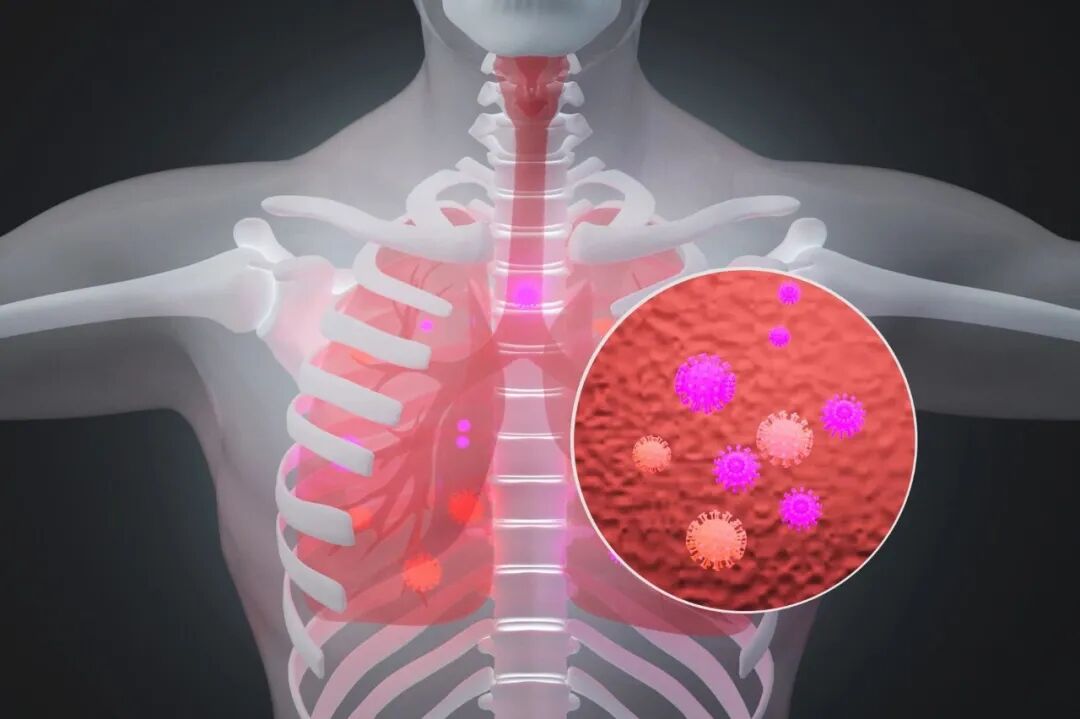
Large cell neuroendocrine carcinoma (LCNEC) of the lung is a rare malignant tumor, with high aggressiveness, rapid progression, and poor prognosis. Although LCNEC is classified as non-small cell lung cancer (NSCLC), it shares more similarities with small cell lung cancer (SCLC) in terms of biological behavior.
The metastasis of cancer cells to the brain involves passing through four major checkpoints:
2. entering the blood circulation and disseminating throughout the body
3. formation of cancer thrombus and retention in distal capillaries
4. extravasation and colonization of brain tissue from blood vessels
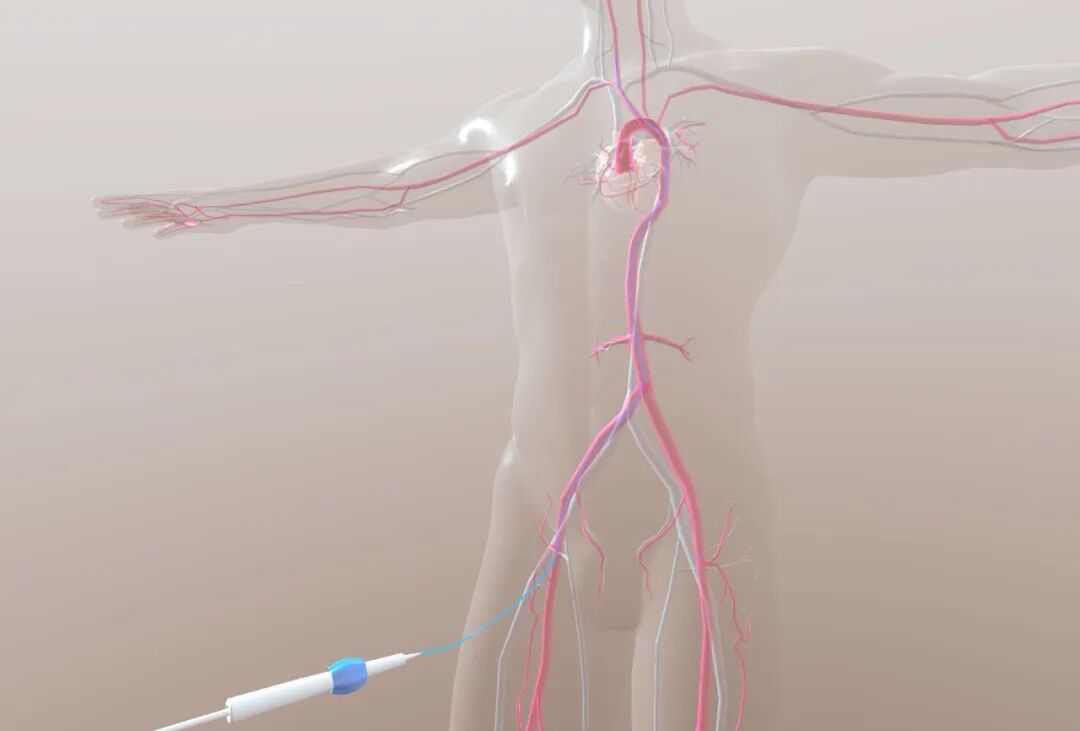
Treatment difficulties:
The special structure of the blood-brain barrier makes it impossible for most drugs to reach effective concentrations, chemotherapy and targeted drugsThe effect is poor.
Facing numerous difficulties, should brain metastasis patients just give up treatment? When Mr. Dong is at a loss, he contacts Professor Zhang Minghui's Lehe Xinyi team , hoping to find more treatment opportunities
Based on the current examination, Mr. Dong's oligometastatic lesion appears to be an isolated lesion. In this case, using precision radiotherapy, whether it is gamma knife or cyber knife, is relatively ideal for treating small brain lesions (one or two centimeters).
1. Stereotactic radiotherapy - precise "targeting "of tumors
Technical principle:
Through three-dimensional imaging guidance, focus high-dose radiation on the tumor from multiple angles.
Treatment Advantages:
* Radiotherapy can destroy the blood-brain barrier, increase the permeability of the blood-brain barrier, and enhance the efficacy of drugs on cranial brain lesions[]
* High precision and minimal error, maximizing brain function, and avoiding the risks of paralysis or aphasia that may arise from surgery.
* Non-invasive, avoiding the risk of craniotomy
2. vNKT cell therapy - systemic immune regulation

Direct killing:
vNKT cells possess both the broad-spectrum killing ability of NK cells and the precise recognition capability of CD8+ T cells.
Microenvironment modification:
Elimination of immunosuppressive cells (MDSCs), blocking the breeding ground for metastasis "".

Natural killer T (NKT) cells are a special T-cell subset that possesses both T-cell receptor (TCR) and NK cell receptors on their surface. They exhibit important characteristics of both NK cells and T cells, with the dual ability to recognize tumor cells nonspecifically and specifically, and can rapidly kill tumor cells. Within the NKT cell subset, there is a larger and more potent special type of soldier, discovered by Professor Zhang Minghui's experimental team at Tsinghua University, known as vNKT (Variant Natural Killer T) cells.
The number of these vNKT cells in the body is very small, and they are not easily activated. However, once activated, they can single-handedly eliminate those tumor cells that may remain undetected in the body. Additionally, research has found that vNKT cells have dual anti-tumor effects. Not only can they directly kill cancer cells, but they can also regulate the immune microenvironment within tumor tissues, kill inhibitory immune cells such as myeloid-derived suppressor cells (MDSCs), break down tumor immune evasion, rebuild the normal immune system, and further prevent recurrence and metastasis.
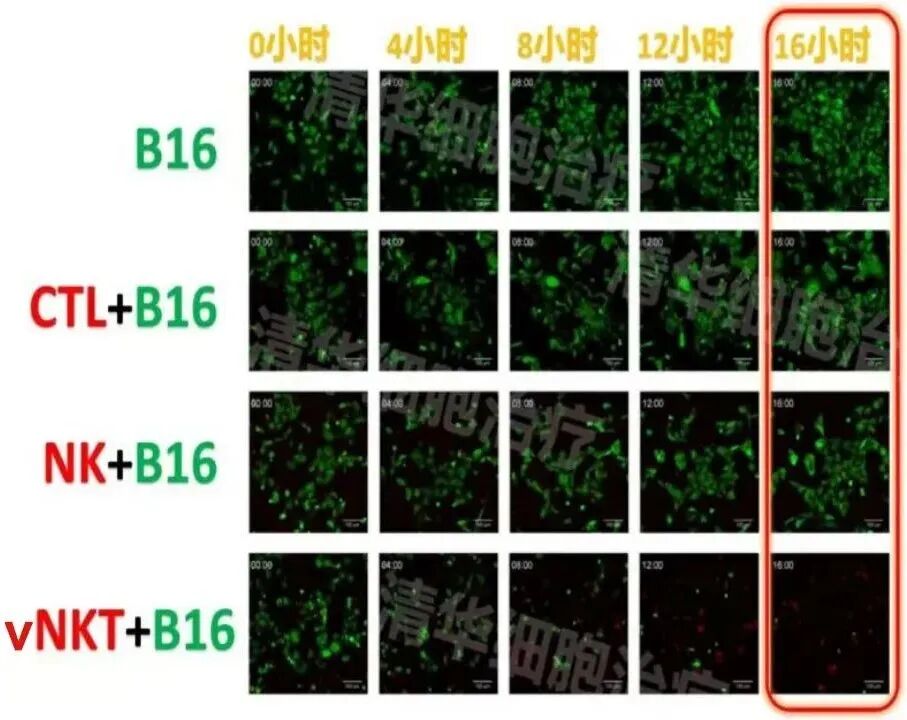
Experimental conditions: In the presence of vNKT cells, nearly all B16 tumor cells were killed after 16 hours!
Imaging changes
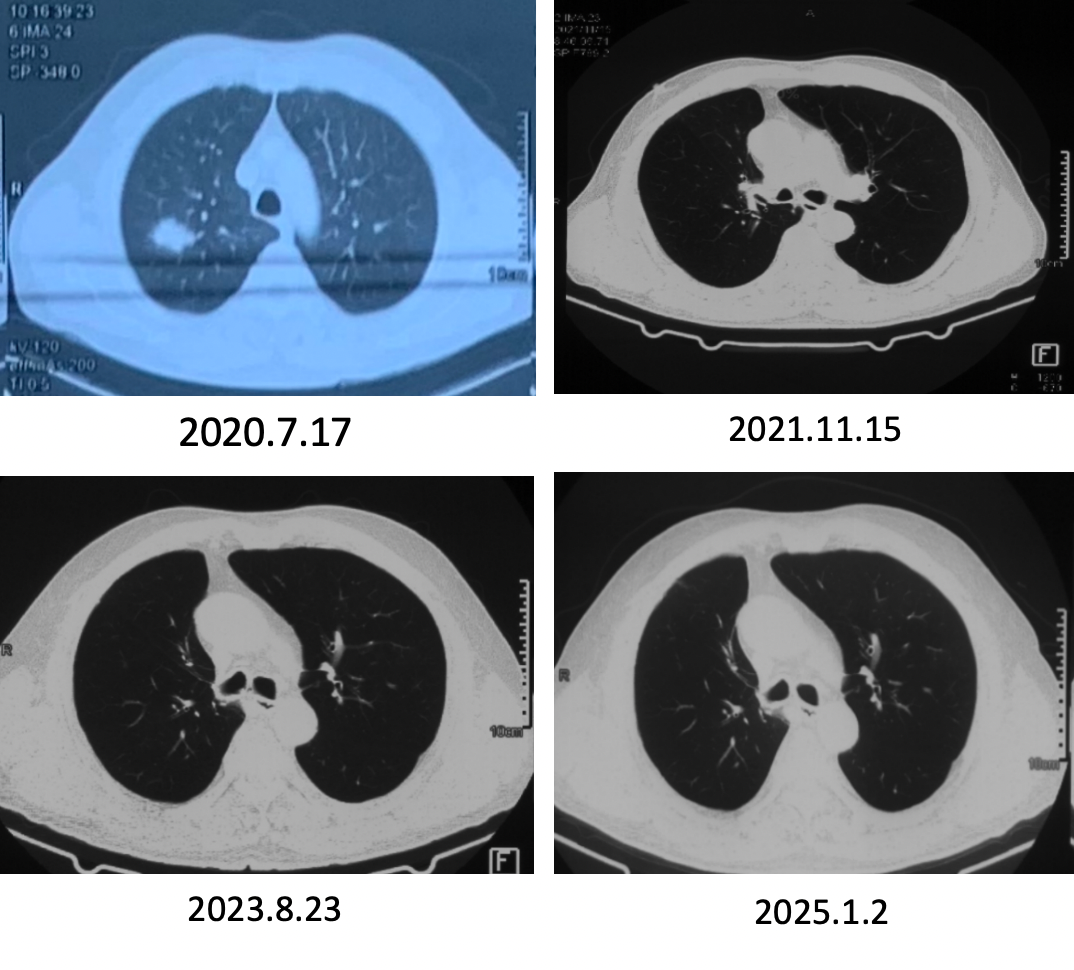
In July 2020, a 2.5×3cm quasi-circular space-occupying lesion with spicules and lobulation was found in the right upper lobe, suggesting lung cancer. Chest CT scans from July 2021 to November 2021 showed postoperative changes in the right upper lobe after resection, with no other obvious signs of recurrence or metastasis; follow-up CT scans from August 2023 to January 2025 showed postoperative changes in the right upper lobe.
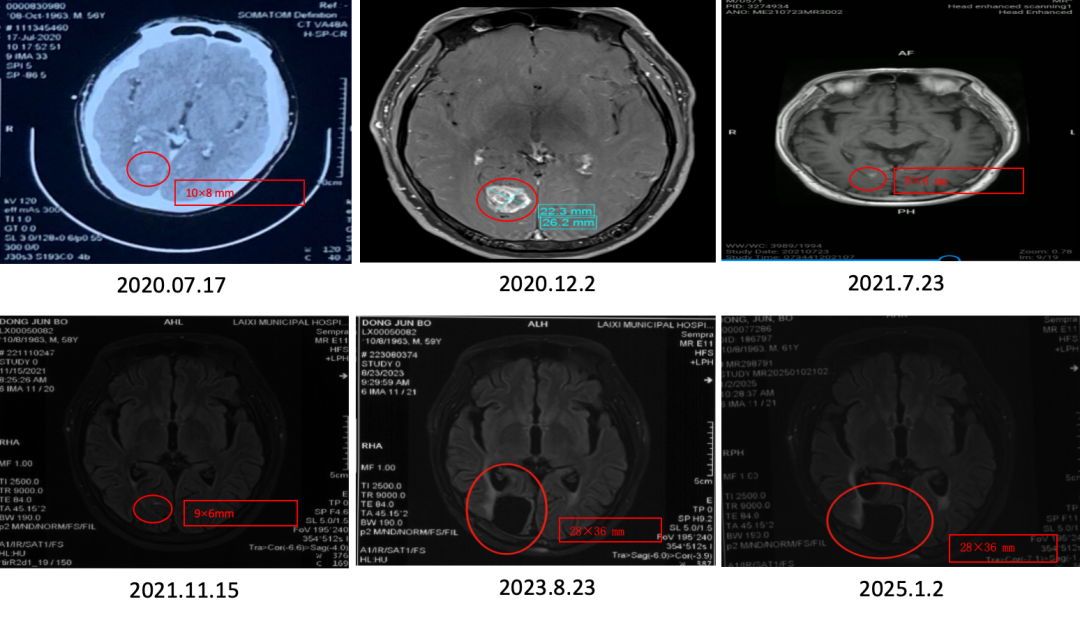
Cranial imaging revealed:
In July 2020, a density-enhanced lesion was observed in the right occipital lobe on CT, suggesting metastasis; in December 2020, an abnormal signal focus was detected in the right occipital lobe on MRI, which was larger compared to previous findings, and considering the patient's history, metastasis was suspected. In July 2021 and November 2021, follow-up examinations showed a significant reduction in the metastatic lesion in the right occipital lobe , suggesting post-treatment changes. From August 2023 to January 2025, follow-up examinations after cranial surgery revealed a softened lesion in the right occipital lobe, measuring approximately 2.8X3.6cm.
Conclusion and Commentary
Mr. Dong's case demonstrates that, for patients with large tumor tissues, even in the early stage, one should not be complacent, as large tumors contain abundant blood vessels. Both surgery and puncture carry certain risks, allowing fallen cancer cells to metastasize to other locations along blood vessels or lymphatic vessels. Even if chemotherapy is not required after surgery, follow-up treatment should be administered to eliminate residual cancer cells through immune enhancement methods.

Although there are differences in the condition of each patient , this model provides new hope for patients with brain metastases from lung cancer. For further information on personalized treatment options, please consult Lehe medical team for targeted advice.
If you or your family members are facing a dilemma in treatment choices, scan the QR code below to add our assistant on WeChat, and you can:
* Obtain a second opinion from Professor Zhang Minghui: a personalized treatment plan , with professional assistance to help you find the most suitable survival strategy .
* Join the anti-cancer support community: share experiences with more patients and receive support from real-life cases .

Scan QR code
Communicate with Professor Zhang Minghui's team

Founder of Lehe New Medicine
Professor Zhang Minghui, with a PhD in Immunology from Tsinghua University School of Medicine, has led a research team for over 20 years since the discovery of vNKT cells in 2002. They have accumulated treatment experience in over 700 cases of solid tumors, covering almost all common solid tumors. The research results fully demonstrate the great value of vNKT cells in the treatment of solid tumors.

It is suitable for patients with high pathological malignancy or a risk of recurrence after surgery; patients whose tumors have been basically controlled but not cured through conventional treatments such as chemotherapy, radiotherapy, and targeted therapy; patients with persistent high carcinogenic factors; and patients intolerant to radiotherapy and chemotherapy. If these patients do not receive effective follow-up treatment after traditional anti-tumor therapy, recurrence, metastasis, or reoccurrence of tumors will be highly probable. In this case, vNKT cell therapy is an ideal follow-up treatment method that can significantly improve patient prognosis.
[1]Sprowls SA, Arsiwala1 TA, Bumgarner JR, et al. Improving CNS Delivery to Brain Metastases by Blood-Tumor Barrier Disruption[J]. Trends Cancer, 2019, 5(8): 495-505.
[2]Sun Yichu, Liang Fei, Xia Yurong Research progress on radiotherapy combined with immunotherapy for brain metastasis of non-small cell lung cancer [J]. Cancer Prevention and Treatment Research, 2023, 50(07): 705-709.
Click on the image to view previous exciting content



Address: Room 1101 (Unit 101), 11th Floor, Building 1, No. 7 Courtyard, Kexueyuan Road, Life Science Park, Changping District, Beijing
Phone:010-8265 9866
Email:lehemedneo@hotmail.com