Contact Us Careers
Lung Cancer

How to maintain stability in patients with advanced lung cancer who have relapsed after targeted therapy?

时间:2026-04-22 人气:

If you can't understand the subsequent professional descriptions, just take two minutes to read through this text

Overview of the condition


In August 2020, Ms. Liu underwent a chest CT scan, which revealed minor fibrous scars in both lungs and a subpleural nodule in the lower lobe of the right lung, suggesting inflammatory nodules. In September 2020, a follow-up chest enhanced CT scan indicated a tumor lesion in the posterior segment of the apex of the right upper lobe, and further lung biopsy was performed. The biopsy specimen (lung) was diagnosed as adenocarcinoma. PET-CT showed: 1. An abnormally high metabolic activity in the mass adjacent to the pleura in the posterior segment of the apex of the right upper lobe, suggesting a high likelihood of right upper lobe cancer. 2. No significant malignant tumor lesions or metastatic signs were detected in other parts of the body.
After the pathological diagnosis, Ms. Liu underwent a 3D thoracoscopic lobectomy (of the right upper lobe) and thoracoscopic mediastinal lymph node dissection under general anesthesia in September 2020. Postoperative pathology indicated (in the right upper lobe) invasive adenocarcinoma with a maximum tumor diameter of 6cm, satellite cancer foci around it, involvement of the bronchial wall and pleura, visible airway dissemination, no clear intravascular cancer thrombus or nerve invasion, and positivity in (group 4 lymph nodes). Genetic testing revealed a CTNNB1 SNV mutation with exon 3 G34A mutation frequency of 47.11%, and an EGFR InDel mutation with exon 19 E746-A750del mutation frequency of 30.46%.
Starting from September 2020, Ms. Liu began taking erlotinib, but due to intolerance, she switched to Icotinib in November of the same year.
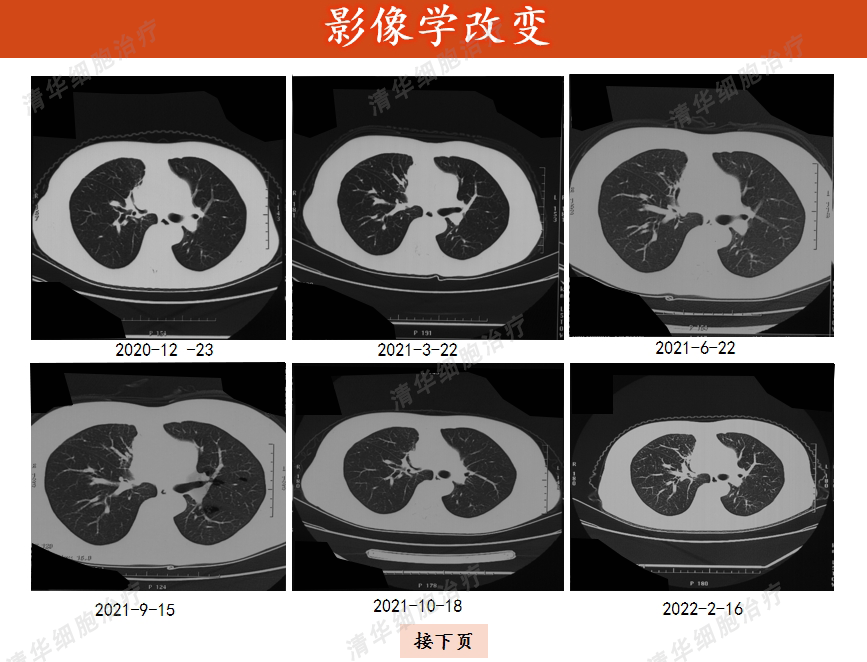
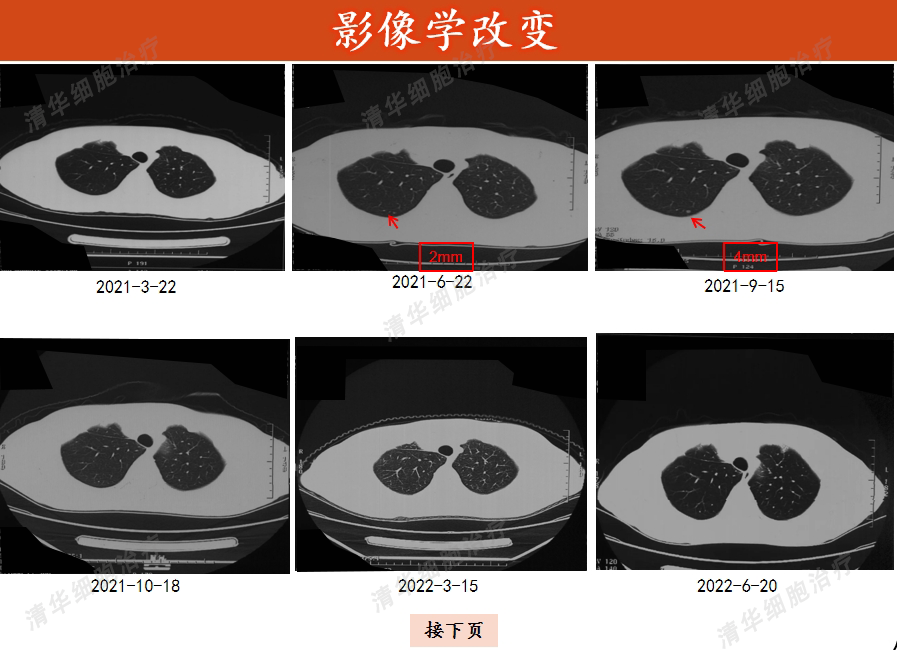
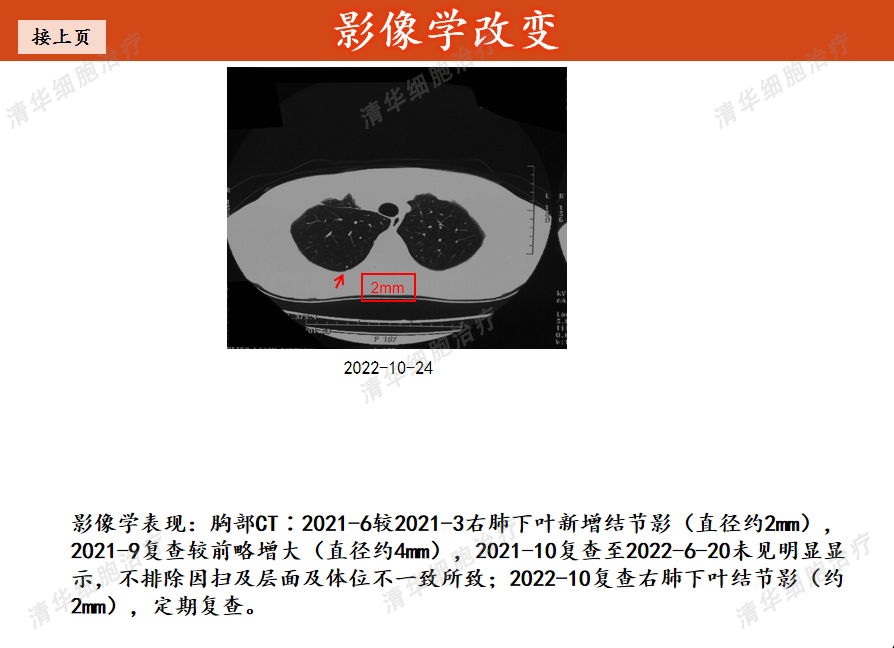
In September 2021, a follow-up lung CT scan revealed two small nodules in the upper segment of the right lower lobe post-surgery, suggesting metastatic tumors. After the discovery of metastasis, she switched to using Amatinib, which she has been taking ever since.
Section

Pu
Small
Knowledge

Knowledge

Gene mutation  

The CTNNB1 gene encodes β-catenin protein, which plays a crucial role in the construction and maintenance of epithelial cell layers by regulating cell growth and cell-cell adhesion. Simply put, the protein encoded by the CTNNB1 gene is responsible for regulating cell proliferation and division. Mutations in this gene may lead to uncontrolled cell division, ultimately resulting in the development of tumors.

The EGFR gene is a type of gene that expresses epidermal growth factor receptors and is also responsible for regulating normal cell division and proliferation. However, mutations in certain circumstances can lead to the development of tumors, with a higher incidence rate in non-smoking female lung adenocarcinoma.

Ms. Liu received targeted drug therapy after surgery, but new lesions appeared in the second year and were considered to be metastatic. Ms. Liu was very worried about this and turned to Professor Zhang Minghui's team for help.
After reviewing Ms. Liu's medical records, Professor Zhang Minghui made the following analysis and judgment:

1. The patient was diagnosed with lung cancer in 2020 and underwent surgical treatment. The tumor was large and had lymph node metastasis, indicating a late stage.

2. In addition to the late stage, pathological findings revealed tumor involvement of the bronchial wall and pleura, as well as intrapulmonary dissemination, which greatly increased the probability of future recurrence and metastasis.

3. The patient discovered a gene mutation and underwent targeted drug therapy, but new lesions still appeared in the second year, suggesting that the original targeted drug had developed resistance. The patient switched to Amidronate.

4. NKT therapy utilizes powerful immune cells to eliminate tumor cells that may remain undetected in the body. It has essentially no side effects, and when combined with surgery, NKT cell therapy can effectively inhibit tumor growth, prolong survival, and improve quality of life.


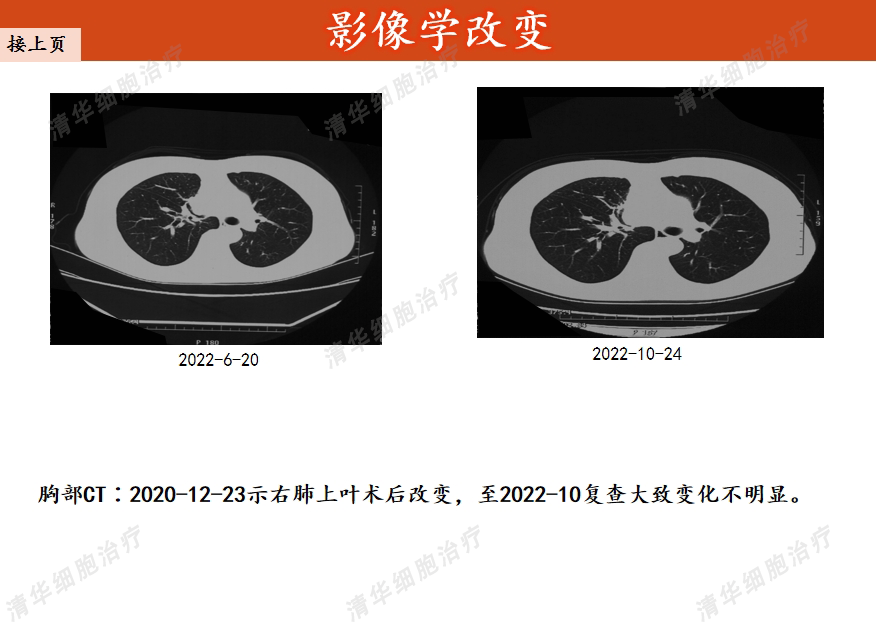
From March 2022 to November 2022, Ms. Liu completed the first phase (8 courses) of treatment. During this follow-up examination, no clear signs of tumor recurrence were observed, and her overall condition remained stable  

Imaging

,  


 Conclusion and Comments

Ms. Liu reported a 25% reduction in her normal daily life, work, and activities. She experienced increased hair volume, improved hair quality, and hair color turning black. The frequency and severity of skin allergies or other symptoms (such as urticaria, vitiligo, psoriasis, etc.) decreased. She felt more energetic and experienced fewer colds and fever episodes in spring and winter. Her quality of life score was 88 (previously 81). Over half a year, Ms. Liu completed the first phase of treatment. During this follow-up examination, no clear signs of tumor progression were observed, and her overall condition remained stable. We anticipate that subsequent treatments and follow-ups will bring new positive news.
The most common activating mutations in lung cancer EGFR mutations are deletions in exon 19 and single-point mutations in exon 21 (Leu858Arg), which together account for over 80% of known activating EGFR mutations. Correspondingly, targeted drugs have developed rapidly. However, despite the significant therapeutic response of EGFR-targeted drugs, most patients eventually experience progression (PD) within about a year after treatment, and drug resistance limits the long-term efficacy of these drugs.
Although Ms. Liu underwent radical surgery, postoperative pathology results indicated a large tumor involvement area and a recurrence risk. Indeed, she experienced progression in the second year. NKT cell therapy not only eliminated residual tumor cells but also strengthened the immune system, thereby providing long-term stability for the patient.
Popular science knowledge is provided for reference only. Individual patients should seek clinical medical advice.   

Reference:< H306>

【1】Wu SG, Shih JY. Management of acquired resistance to EGFR TKI-targeted therapy in advanced non-small cell lung cancer. Mol Cancer. 2018 Feb 19; 17(1):38. doi: 10.1186/s12943-018-0777-1. PMID: 29455650; PMCID: PMC581780.

NKT Classic Case Review

Click on the image

to view< H332>