About Lehe
乐于心,和与众,与己乐,与人和; 心宽念纯,百病无生。


乐于心,和与众,与己乐,与人和; 心宽念纯,百病无生。



One day in 2013, Mr. Chen accidentally noticed that his urine had turned red in his daily life. This condition occurred intermittently: one day he had hematuria, and the next day he returned to normal. At first, he did not pay much attention to it, and it was only after the symptoms recurred multiple times that he went to the hospital for examination. Ultrasound revealed a huge space-occupying lesion measuring 6.6×5.4 cm on the upper pole of his left kidney. Further diagnosis confirmed clear cell carcinoma.
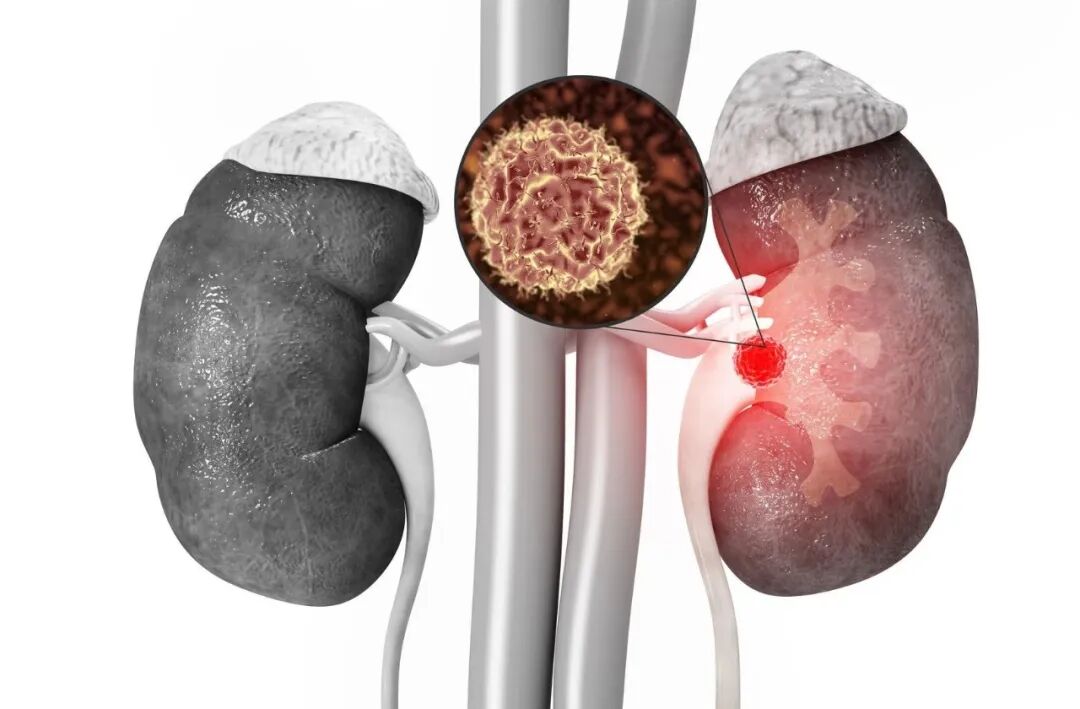
Renal cancer (also known as renal cell carcinoma) is one of the three major malignant tumors of the urinary system. Although its incidence rate is lower than that of prostate cancer and bladder cancer, its mortality rate is much higher than the latter two, mainly due to the insidious onset of early renal cancer, which requires our utmost attention.
As one of the most common manifestations of kidney cancer, it presents as intermittent, painless gross hematuria. Once it occurs, one should be alert to the severity of the condition.
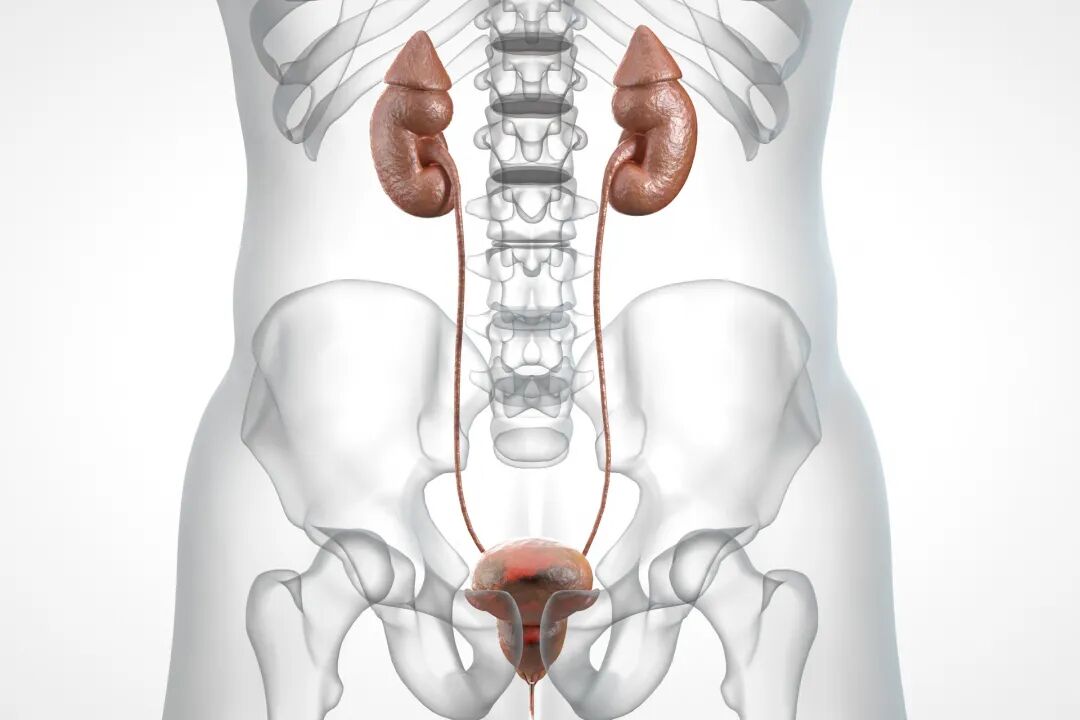
Lumbago
Due to tumor compression of surrounding tissues or invasion of nerves, some patients may experience dull pain in the waist or upper abdomen.

Abdominal mass
When the tumor grows to a certain size, a mass can be felt in the upper abdomen or waist.

In addition, patients with kidney cancer may also present with "paraneoplastic syndromes", including nonspecific symptoms such as hypertension, anemia, and weight loss. However, the occurrence of these symptoms often indicates that kidney cancer has progressed to an advanced stage.
Overview of the illness
Clear cell renal cell carcinoma exhibits high heterogeneity, with diverse biological characteristics and gene expressions among individual cancer cells within the tumor population. Although the design of tumor vaccines initially relies on the patient's own tumor tissue, it is difficult to encompass all types of cancer cell variations. When cancer cells metastasize and enter new environments such as the lungs and brain, they further adapt and undergo new changes, developing mechanisms such as immune evasion, which render the originally targeted tumor vaccines partially ineffective.
The preparation process of autologous dendritic cell (DC) tumor vaccine requires extremely high complexity and precision. Any slight deviation in any step may affect the quality of the vaccine. From tumor tissue collection, cell isolation, culture to the final preparation of the vaccine, numerous steps are involved. Poor laboratory condition control and insufficient proficiency of technical personnel may lead to reduced vaccine activity, weakened immunogenicity, and ultimately failure to exert the expected anti-cancer effect.
Intervention of vNKT cell immunotherapy
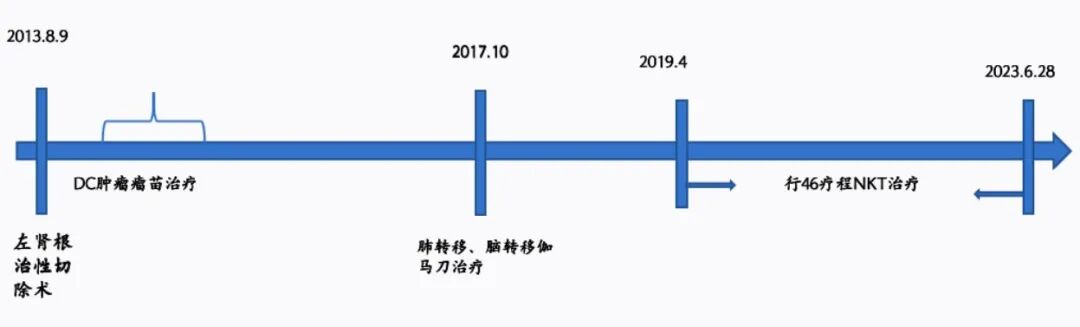
Treatment History
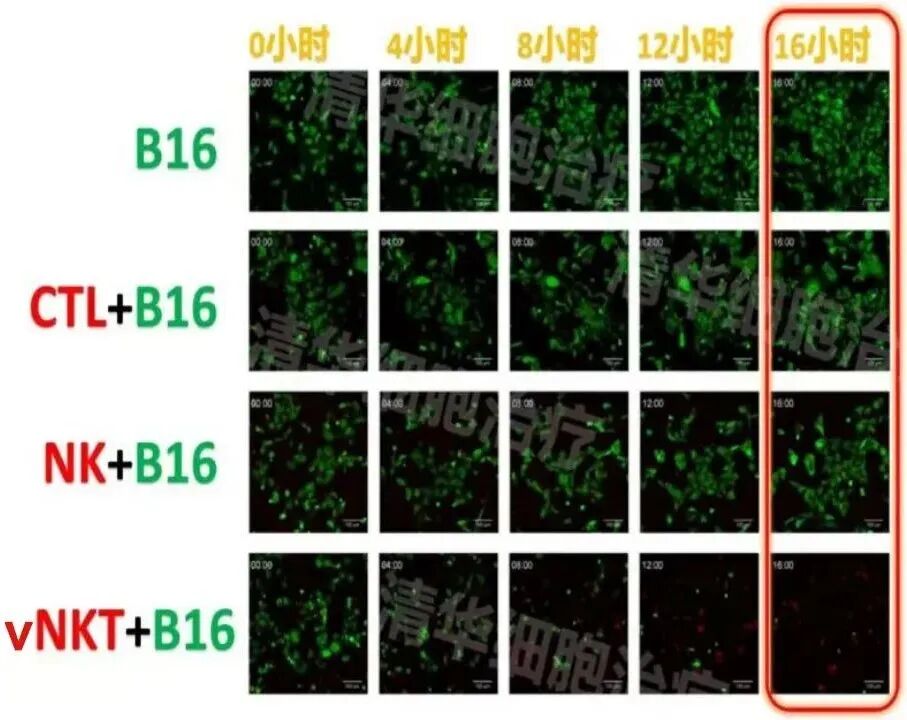
Experimental conditions: In the presence of vNKT cells, after 16 hours, nearly all B16 tumor cells were killed!
Imaging
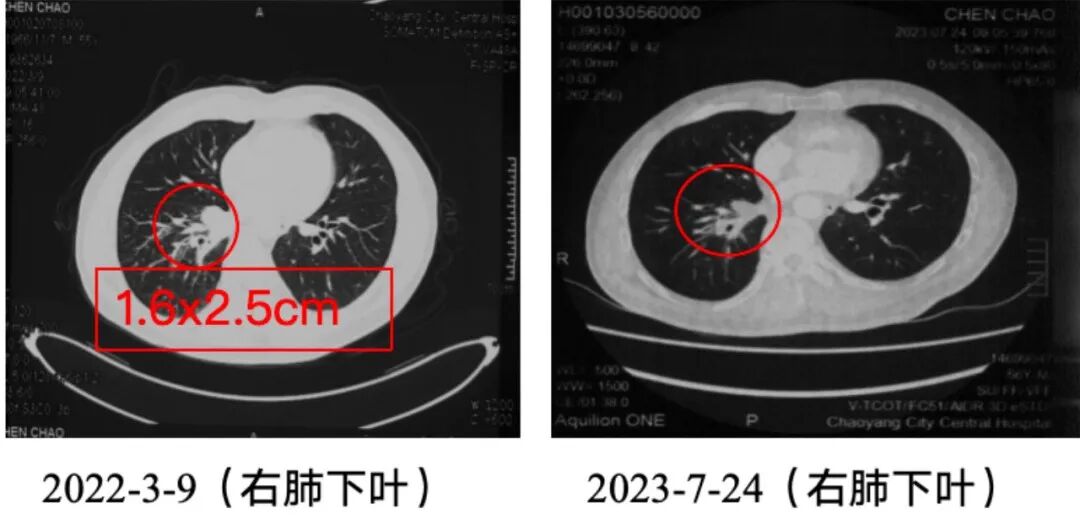
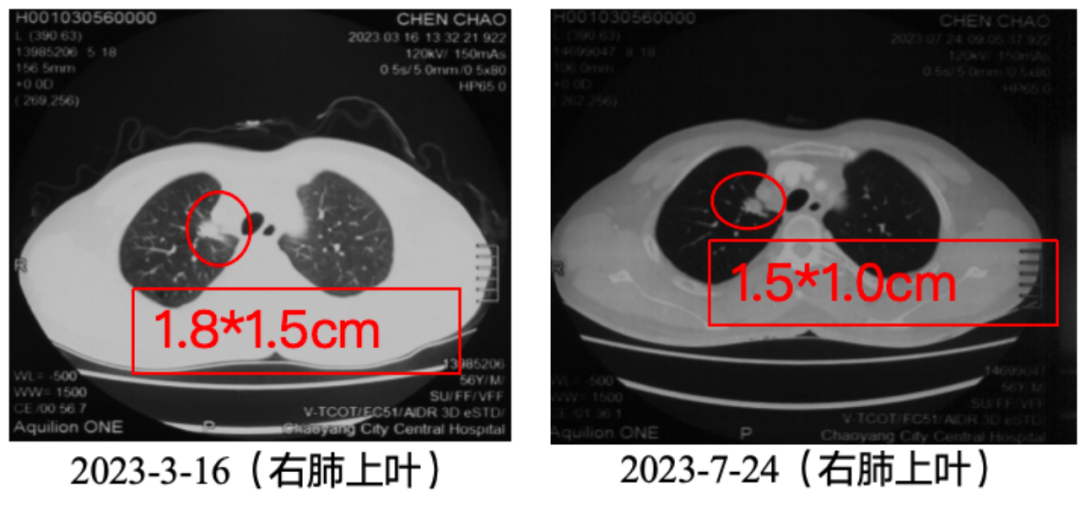
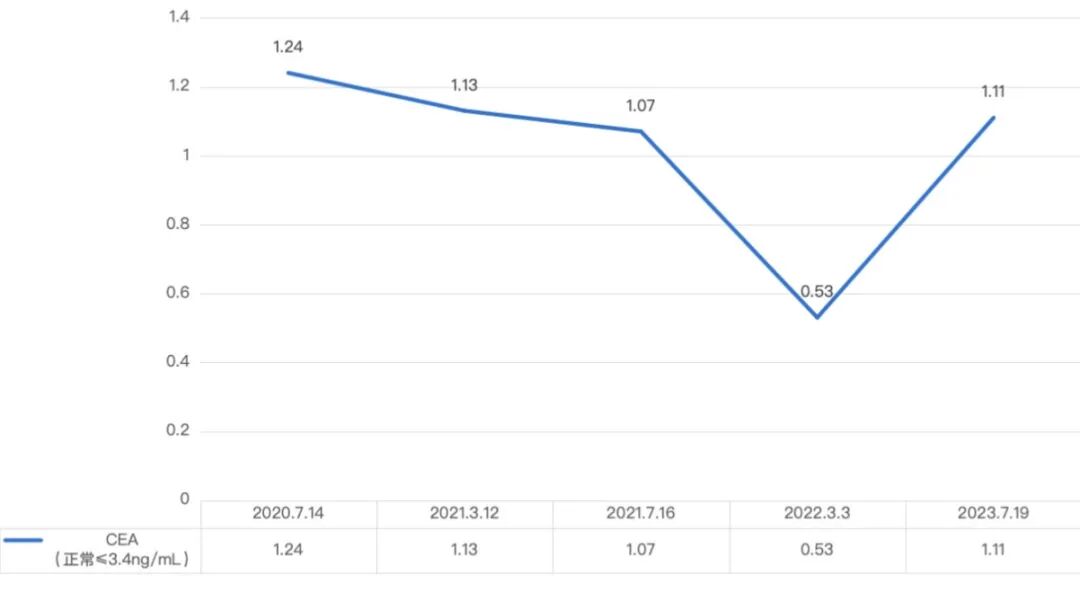
Changes in tumor markers
Conclusion and Review< H427>
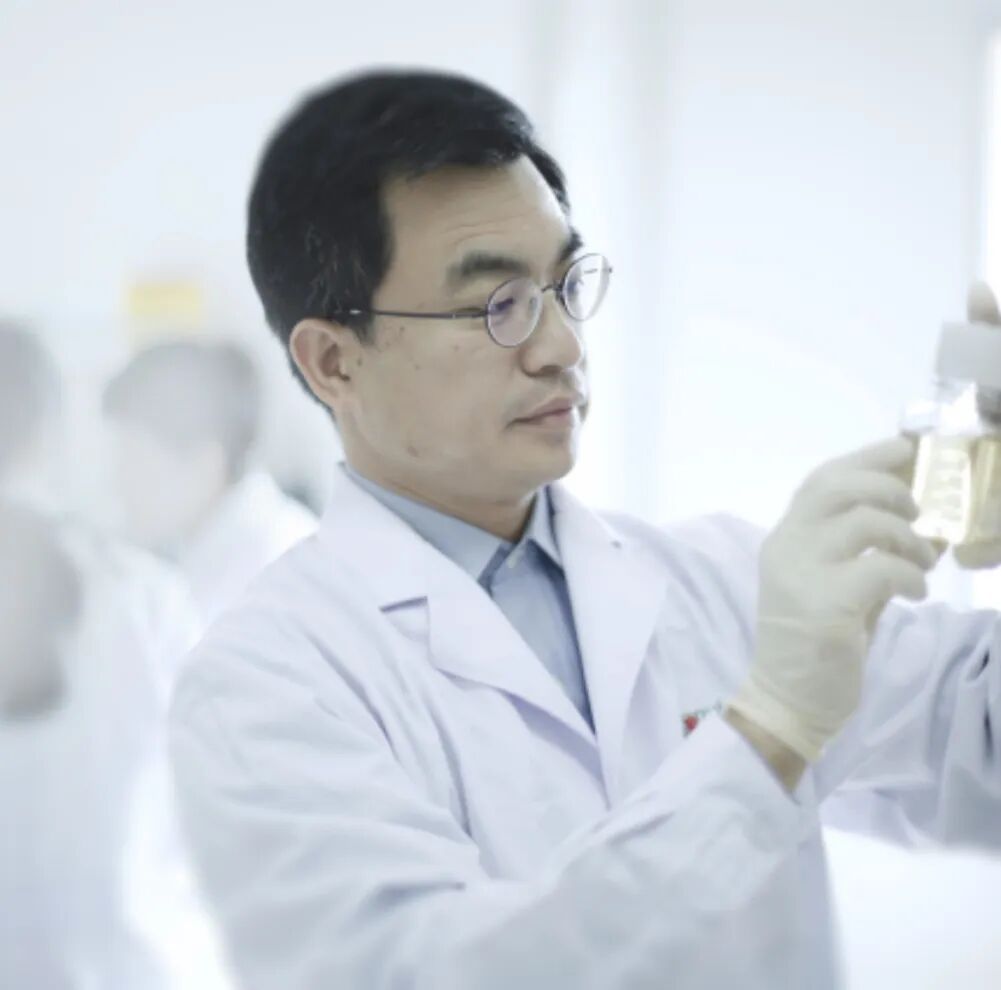
Founder of Lehe New Medicine
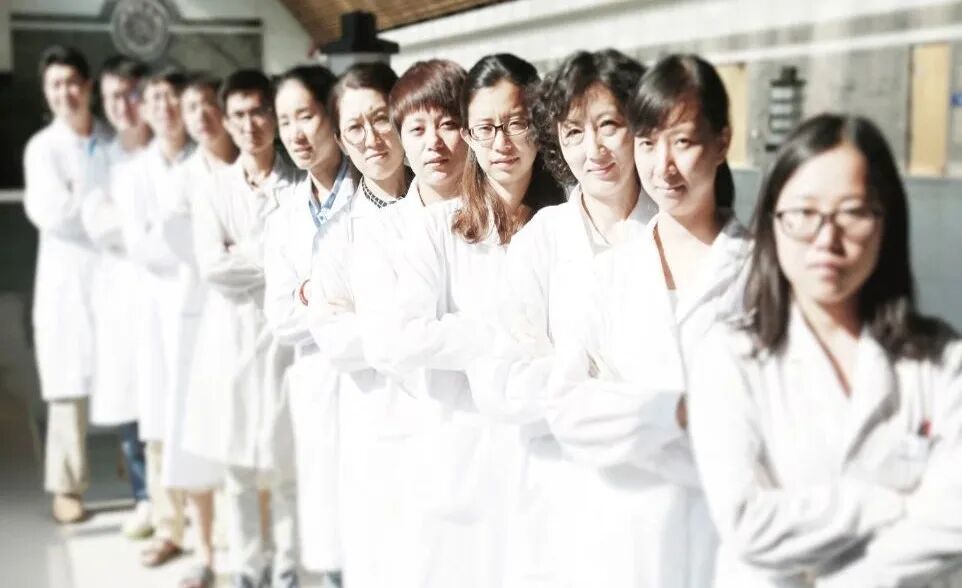
Professor Zhang Minghui, with a PhD in Immunology from Tsinghua University School of Medicine, has led a research team for over 20 years since the discovery of vNKT cells in 2002. They have accumulated treatment experience in over 700 cases of solid tumors, covering almost all common solid tumors. The research results fully demonstrate the great value of vNKT cells in the treatment of solid tumors.
It is suitable for postoperative patients with high pathological malignancy or recurrence risk; patients whose tumors have been basically controlled but not cured after conventional treatments such as chemotherapy, radiotherapy, and targeted therapy; patients with persistent high carcinogenic factors; and patients intolerant to radiotherapy and chemotherapy. If these patients do not receive effective follow-up treatment after traditional anti-tumor therapy, recurrence, metastasis, or reoccurrence of tumors will be a high probability event. In this case, vNKT cell therapy is an ideal follow-up treatment method that can significantly improve patient prognosis.

Scan QR code
Communicate with Professor Zhang Minghui's team
Click on the image to view the exciting content from previous issues



Address: Room 1101 (Unit 101), 11th Floor, Building 1, No. 7 Courtyard, Kexueyuan Road, Life Science Park, Changping District, Beijing
Phone:010-8265 9866
Email:lehemedneo@hotmail.com