Contact Us Careers
Other Solid Tumors

After surgery for mid-stage esophageal cancer, are there other options besides chemotherapy and radiotherapy?

时间:2026-04-16 人气:
           
Click on the blue word "H0" to follow us            


# Esophageal cancer              

Esophageal cancer is one of the most common malignant tumors globally. According to the 2020 global cancer statistics, there were 604,000 new cases of esophageal cancer and 544,000 deaths. China is a high-incidence area for esophageal cancer. With the development of early diagnosis and treatment technologies, the mortality rate of esophageal cancer in China has shown a downward trend. The 5-year survival rate for early-stage esophageal cancer can reach over 90%. However, due to the fact that most patients are diagnosed at an advanced stage, the treatment outcome remains poor. The overall 5-year survival rate is only around 20%, making it a major malignant tumor that continues to threaten the health of Chinese residents.  


liver caner              
Trivia about Esophageal Cancer
Esophageal cancer, also known as cancer of the esophagus, is a malignant tumor within the esophagus, originating from the epithelial tissue of the esophageal mucosa. It includes squamous cell carcinoma, adenocarcinoma, small cell carcinoma, etc. Squamous cell carcinoma is the most commonly seen type in clinical practice in China.      


01            
Causes            

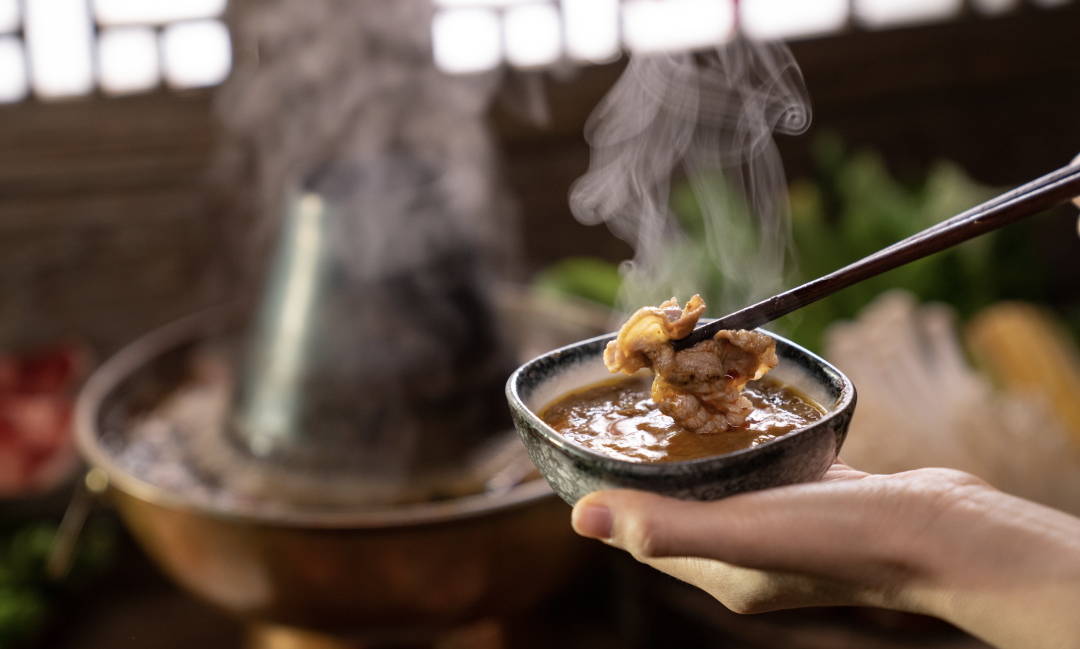
Excessive drinking, smoking, nitrite intake, esophageal reflux, consuming hot foods, and drinking hot water are all associated with esophageal cancer. Genetic factors are also significant. If there is a history of esophageal cancer in immediate family members or multiple relatives, regular physical examinations should be conducted and exposure to high-risk factors should be avoided. Of course, even for the general population, it is important to try to eliminate the aforementioned habits and seek symptomatic treatment when necessary.

           
02            
Symptoms
Due to the elasticity of the esophageal wall, symptoms may not be significant when the lesion is small. As the tumor grows, most patients seek medical attention due to choking (a sense of obstruction) during meals, especially with harder foods. If left untreated, the condition can worsen progressively, eventually leading to difficulty swallowing even water. Some patients may experience a burning sensation behind the sternum, such as in ulcerative tumors. Other symptoms of esophageal cancer may include pain during swallowing, black stool, hoarseness, coughing, and cervical lymphadenopathy.            


03            
How to diagnose
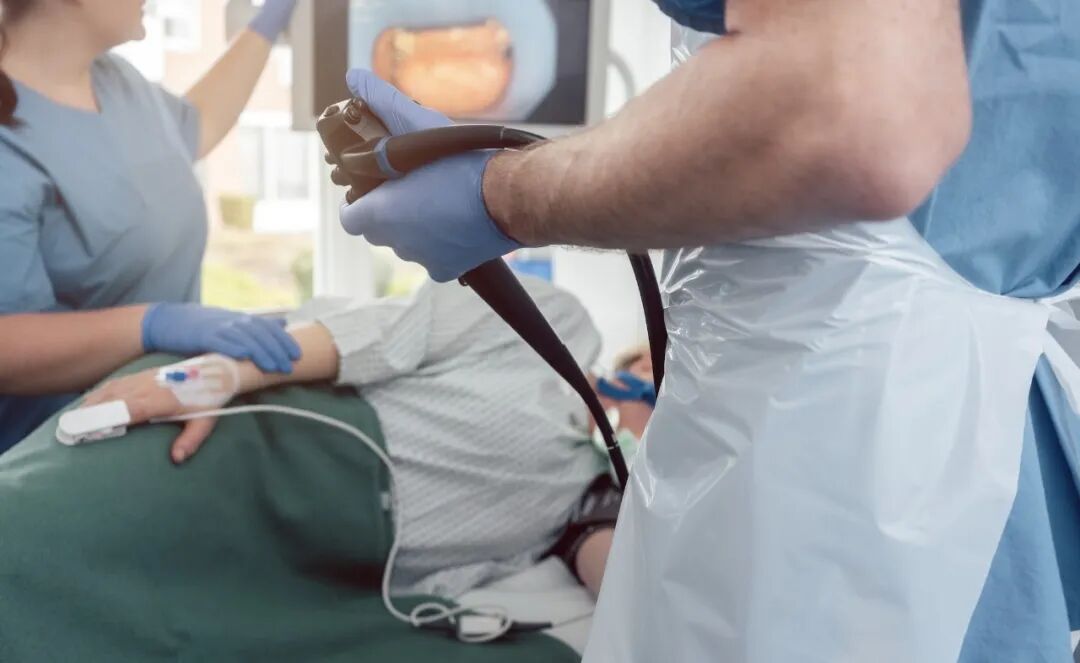
Pathology serves as the gold standard, typically achieved through gastroscopy to obtain biopsy tissue. Ultrasonic endoscopy can aid in staging. Imaging examinations are also crucial for measuring size, extent, staging, and subsequent efficacy evaluation. Common methods include upper gastrointestinal imaging or barium meal, enhanced CT, and PET-CT. Blood tumor markers such as cytokeratin fragment 19 (Cyfra21-1), carcinoembryonic antigen (CEA), and squamous cell carcinoma antigen (SCC) are diagnostically significant.


The treatment methods for modern esophageal cancer include surgery, radiotherapy, chemotherapy, immunotherapy, etc. Staging is the most crucial factor affecting treatment efficacy and prognosis. For carcinoma in situ and stage I cancer, the 5-year survival rate can reach 90% through endoscopic or surgical treatment. However, for patients with stage II and stage III cancer, despite the widespread use of comprehensive treatment methods combining surgery with chemoradiotherapy and immunotherapy, the 5-year survival rates are still unsatisfactory, at 50% and 35.8%, respectively. For patients with stage IV cancer, the rate drops to 16.9%. Postoperative recurrence, metastasis, and drug resistance during treatment remain the main factors limiting the treatment efficacy of esophageal cancer, and are also the most urgent challenges that need to be addressed in the current treatment of esophageal cancer.      

     
In this era of rapid development of science and technology, is there an anti-tumor treatment method that can compensate for the inherent defects of traditional tumor treatment and bring better treatment effects and prognosis to patients? Let's take a look at the treatment process of Mr. Zhao, an esophageal cancer patient, and gain some insights from it.      


01              


Disease Overview              

Overview of the illness


In October 2021, Mr. Zhao presented to the hospital primarily due to "choking while eating and discomfort in the right chest." On October 22, a chest and upper abdominal CT scan revealed: localized wall thickening of the esophagus, consistent with CT findings of a tumor. Multiple small lymph nodes in the mediastinum.            

           
On November 1st, gastroscopy revealed esophageal lesions pending pathology (CA to be excluded). Endoscopic ultrasonography showed early Ca (T1) in the mid-esophagus. On November 2nd, esophageal mucosal ESD was performed. Postoperative pathology showed: (esophageal ESD specimen) high-grade intraepithelial neoplasia, focal malignant transformation to moderately differentiated squamous cell carcinoma, with involvement of esophageal glandular ducts, gross type Type 0-IIb, with a total lesion (microscopic) range of 3.3x3cm, including 3.3x1.3cm of squamous cell carcinoma lesion (with smooth muscle of mucosa present), and the histological type of the deepest infiltrating cancer tissue was moderately differentiated squamous cell carcinoma, with an infiltration pattern of INFb, and no clear intravascular thrombus (ly0v0) was detected. No lesions were detected along the horizontal tangent line of the specimen (pHMO), but adjacent to the vertical tangent line (pVM1). Immunohistochemistry: CD34 (vascular +), D2-40 (lymphatic +).            

           
On November 26th, the PET-CT scan revealed the following findings: 1. Postoperative changes in the esophagus due to cancer surgery; 2. Multiple small lymph nodes in the mediastinum without abnormal high metabolism, observation recommended; 3. Micro-nodules in both lungs without abnormal high metabolism, observation recommended; left lung with fibrous streaks.            

           
On December 23, a robot-assisted partial resection of esophagus and stomach, esophagogastric cervical anastomosis, lymph node dissection, and bilateral recurrent laryngeal nerve dissection were performed. Postoperative pathology: "post-ESD of esophageal malignancy from another hospital" showed focal loss of esophageal mucosa, accompanied by hemorrhage, fibrosis, and minimal lymphocyte infiltration and multinucleated giant cell reaction in the submucosa, consistent with post-ESD reaction. No tumor was found at the superior, inferior, or circumferential resection margins. Glycogen acanthosis was observed in the surrounding esophageal mucosa. No significant lesions were found in the surrounding gastric mucosa. Metastatic squamous cell carcinoma was observed in the lymph nodes (4/37), without involvement of the lymph node capsule. pTNM: pT1N2 (T staging combined with post-ESD pathology) stage IIB.            


Based on Mr. Zhao's postoperative pathology and staging results, there is a high risk of recurrence after surgery. According to traditional treatment protocols, he should routinely receive adjuvant chemotherapy. However, after undergoing two traumatic surgeries, Mr. Zhao's physical condition has weakened. After carefully understanding chemotherapy, he found that while it can kill tumor cells, it can also cause many serious complications and damage his immune system, making it impossible to achieve the desired long-term effect. Mr. Zhao and his family began seeking alternative treatments to chemotherapy to prevent recurrence and metastasis.      

   
After extensive searching, Mr. Zhao discovered that cellular immunotherapy is an ideal treatment method, which is both safe and reliable. It can achieve long-term tumor control by enhancing and improving the patient's own immune system. After comparing various types of cellular immunotherapy, Mr. Zhao found that Professor Zhang Minghui's vNKT cell therapy has a stronger anti-tumor effect, and there are numerous treatment cases verifying its reliable efficacy, which perfectly meets Mr. Zhao's needs. He then got in touch with us.      


After reviewing Mr. Yan's medical records, Professor Zhang Minghui made the following second diagnosis and treatment suggestion for Lehexin Hospital:


1. Mr. Zhao's pathological stage is ⅡB, with lymph node metastasis already present. In this case, the recurrence probability of simple surgical resection is extremely high. Therefore, adjuvant therapy should be actively pursued after surgery to further eliminate residual tumor cells and achieve the goal of controlling tumor recurrence.


2. Multiple studies suggest that postoperative adjuvant radiotherapy can improve the prognosis of patients with positive lymph nodes after undergoing simple surgery, and the efficacy of radiotherapy combined with chemotherapy is superior to that of radiotherapy alone. Currently, adjuvant therapy for esophageal cancer surgery mainly employs chemotherapy. However, for patients with esophageal cancer, chemotherapy has a low response rate and poor therapeutic effect, with an objective response rate of only 6%-8%. It can only exert a killing and inhibitory effect on tumor cells in the short term and is associated with drug resistance. Additionally, chemotherapy has significant side effects, causing severe damage to the immune system and hematopoietic system, and cannot achieve long-term efficacy. Therefore, it is not an ideal adjuvant therapy for postoperative patients.

   
3. vNKT cell immunotherapy is a novel anti-tumor treatment method that utilizes the powerful killing effect of immune cells on tumors. It can eliminate residual or newly emerging tumor cells, rebuild the immune microenvironment, and restore the body's immune system's ability to clear tumors, without the toxic side effects and drug resistance associated with traditional chemotherapy. Numerous clinical practices have confirmed that combining vNKT cell therapy with surgical treatment can effectively reduce the risk of recurrent and newly emerging tumors, making it an ideal choice for postoperative adjuvant therapy and highly suitable as the subsequent treatment for Mr. Zhao.      


vNKT cell immunotherapy            


NKT cells (Natural killer T cells), are a special T cell subset with both T cell receptor (TCR) and NK cell receptor on their surface. They possess important characteristics of both NK cells and T cells, with the dual ability to recognize tumor cells non-specifically and specifically, and can rapidly kill tumor cells. Among the NKT cell subsets, there is a larger and more potent special type of soldier discovered by the experimental team led by Professor Zhang Minghui of Tsinghua University, namely vNKT (Variant Natural Killer T) cells.

           
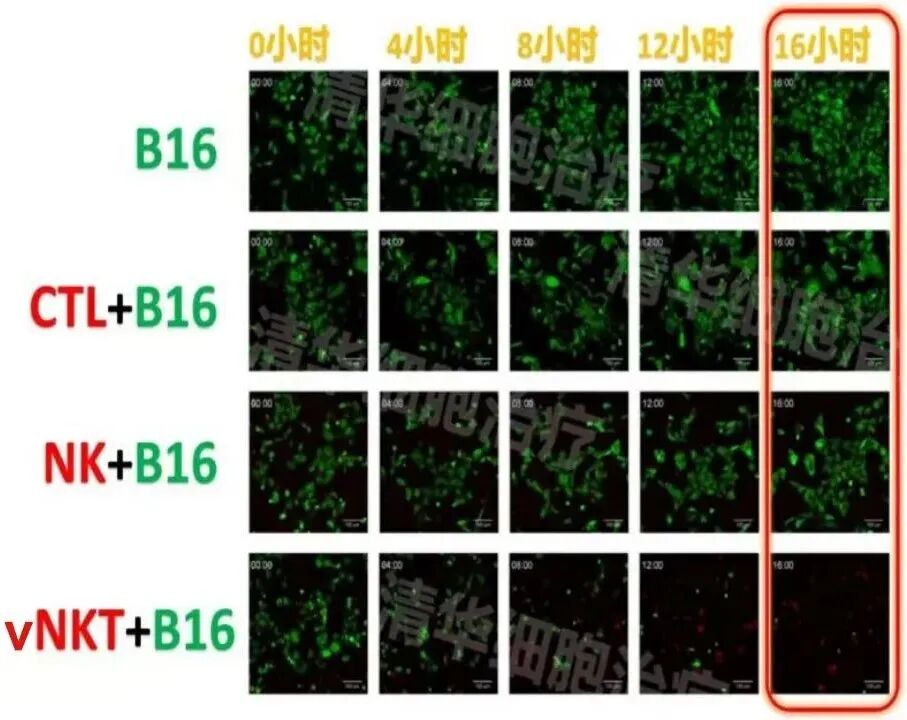
The population of vNKT cells in the body is very small and they are not easily activated. However, once activated, they can defeat numerous tumor cells that may remain undetected in the body. Additionally, research has found that vNKT cells exhibit dual anti-tumor effects. They not only directly kill cancer cells but also regulate the immune microenvironment within tumor tissues, killing inhibitory immune cells such as MDSCs, breaking tumor immune evasion, rebuilding the normal immune system, and further preventing recurrence and metastasis.            


Experimental conditions: In the presence of vNKT cells, after 16 hours, nearly all B16 tumor cells were killed!

Professor Zhang provided Mr. Zhao and his family with a detailed introduction to the vNKT treatment technology and the treatment outcomes of previous cases, and answered Mr. Zhao's questions in detail. After thorough communication, Mr. Zhao and his family unanimously recognized the "strategic" thinking and "tactical" planning of Lehe team regarding tumor treatment, and began vNKT cell therapy on March 7, 2022. The first-stage treatment plan: 1 course/month, adjusted to 1 course/2 months in July 2023, and currently 16 courses have been completed (as of October 2024). Currently, the patient's condition is stable with no signs of recurrence or metastasis, and the patient is in good spirits, with good appetite and sleep, and a good quality of life.


03                


Imaging changes 

Imaging  changes                


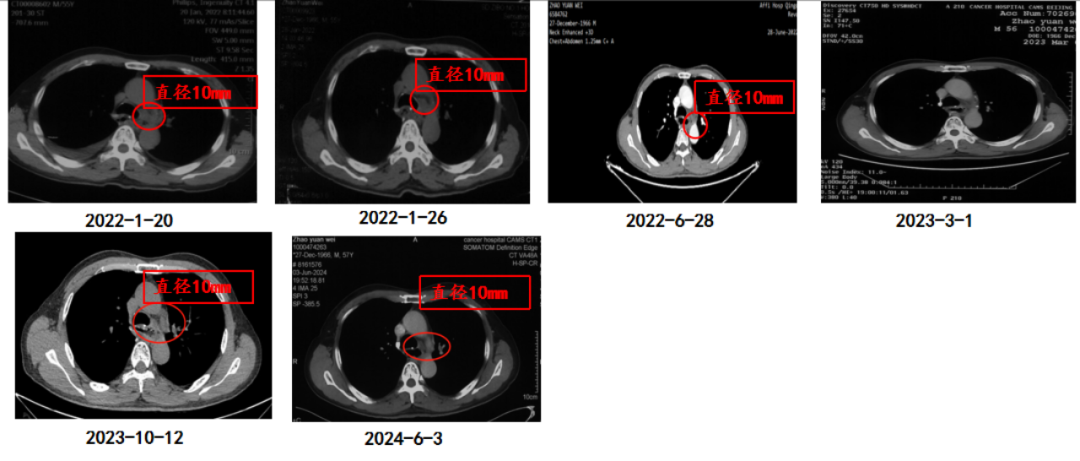
Imaging Findings: In January 2022, a soft tissue shadow was observed in the main pulmonary artery window, which was considered to be a lymph node. By June 2022, the size of the shadow showed no significant change upon follow-up examination. In March 2023, no obvious sign was observed during the follow-up examination. In October 2023, the size of the soft tissue shadow was approximately 10mm. In June 2024, upon follow-up examination, no significant change was observed compared to previous findings, suggesting postoperative changes.        


04            


Conclusion and Comments

Conclusion and Commentary


Postoperative recurrence is the most concerning issue for all malignant tumor patients who have undergone surgical treatment, and it is also the greatest obstacle to achieving tumor cure. All tumor surgeries carry a certain degree of recurrence risk, especially for tumors that are discovered at a late stage, are large, or have a high degree of malignancy. Mr. Zhao's postoperative pathology indicated lymph node metastasis, which significantly increases the risk of postoperative recurrence. According to traditional treatment protocols, he should undergo chemotherapy and radiotherapy after surgery. However, after learning about the limitations and harmful effects of chemotherapy and radiotherapy on the body, Mr. Zhao rejected this treatment approach.


After scientific analysis and comparison, he ultimately chose vNKT cell therapy. He has been in stable condition for 3 years since the treatment, achieving ideal therapeutic effects. In this process, vNKT cell immunotherapy played an indispensable role in reducing the risk of recurrence and metastasis, providing patients with the possibility of achieving long-term tumor stability or even cure.
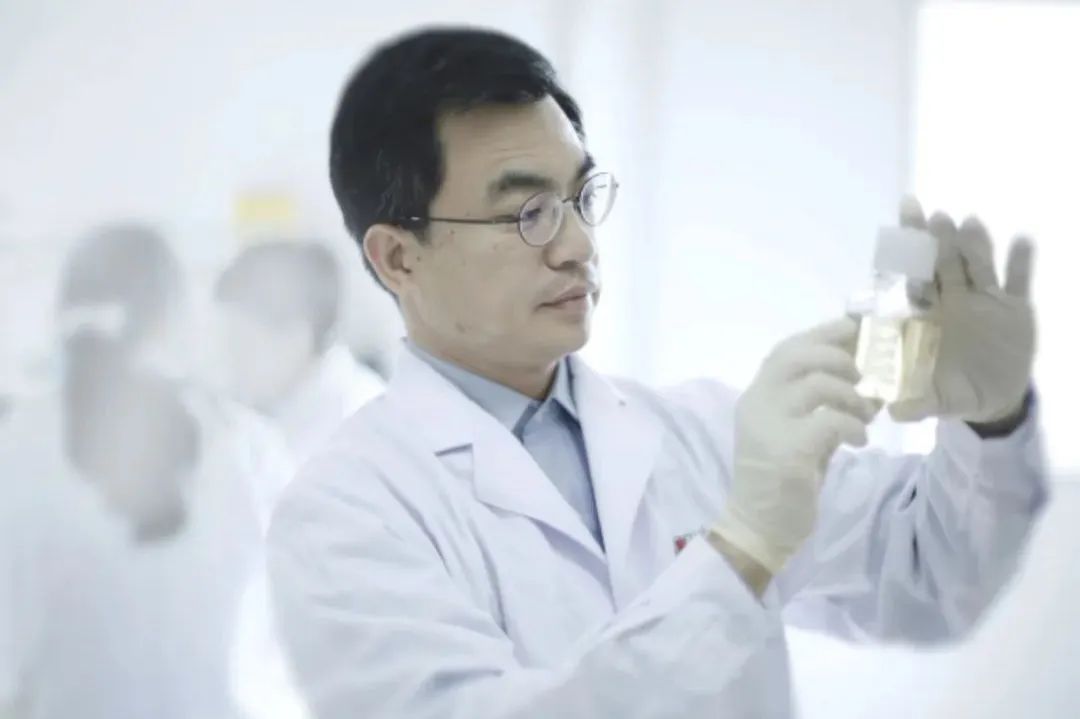



Zhang Minghui  Founder of Lehe New Medicine and PhD in Immunology from Tsinghua University School of Medicine
Since the discovery of vNKT cells in 2002, Professor Zhang Minghui's research team has embarked on a research journey spanning over 20 years, accumulating treatment experience from over 700 cases of solid tumors, covering almost all common solid tumors. The research results fully demonstrate the immense value of vNKT in the treatment of solid tumors.


It is suitable for postoperative patients with high malignant potential or a risk of recurrence; patients whose tumors have been basically controlled but not cured through conventional treatments such as chemotherapy, radiotherapy, and targeted therapy; and patients who continue to have high carcinogenic factors. If these patients do not receive effective follow-up treatment after traditional anti-tumor therapy, recurrence, metastasis, or re-emergence of tumors will be highly probable. In this case, vNKT cell therapy is an ideal follow-up treatment method that can significantly improve the patient's prognosis.            


Written by: Liu Peng
Reviewed by: Qiao Jiacheng, Wang Ying, Gao Chen        
Edited/typeset by Zhang Jiao


Welfare            
Benefits for Liver Cancer Patients


Benefit 1              
Clinical study recruitment for patients with advanced liver cancer             
Primary liver cancer is currently the fourth most common malignant tumor and the second leading cause of cancer-related death in China, posing a serious threat to the lives and health of our people. Due to the insidious onset of liver cancer, less than 30% of patients are suitable for radical treatment at the time of initial diagnosis. Systemic anti-tumor therapy plays an important role in the treatment of advanced liver cancer. Immunotherapy, represented by targeted and immune checkpoint inhibitors, plays a significant role in the treatment of advanced liver cancer. However, when patients progress after receiving second-line treatment, there is a lack of corresponding guidelines or consensus for medication or treatment guidance, leading clinicians and patients into a difficult situation regarding medication use.

    
Immunotherapy for malignant tumors, besides immune checkpoint inhibitors, also includes active immunotherapy that activates the body's own immune function. Among them, NKT cells are of particular interest due to their characteristics of both NK cells and T cells. Activated vNKT cells (variant NKT) can not only directly kill tumor cells but also kill myeloid-derived suppressor cells in the tumor microenvironment (TME), thus potentially offering better tumor treatment effects.        

    
Immunotherapy targeting vNKT immune cells for hepatocellular carcinoma brings new hope to patients with advanced liver cancer who have progressed after second-line treatment. To this end, Professor Zhang Minghui's Lehe New Medical Research Team at Tsinghua University and Shanghai East Hepatobiliary Surgery Hospital have jointly launched a clinical research recruitment program for patients with advanced hepatocellular carcinoma, so that more patients who meet the clinical research criteria can benefit!        

       
How to participate?        

    
If you are a patient with liver cancer or a family member, you can contact our assistant to provide your patient's medical records. After a one-on-one assessment of the condition by a professional medical team, you can apply to participate in clinical research. For details, please scan the QR code to inquire


Lian
is a
I
         

Scan QR code

Communicate with Professor Zhang Minghui's team


Benefit 2              
Liver Cancer Patient Exchange Group             
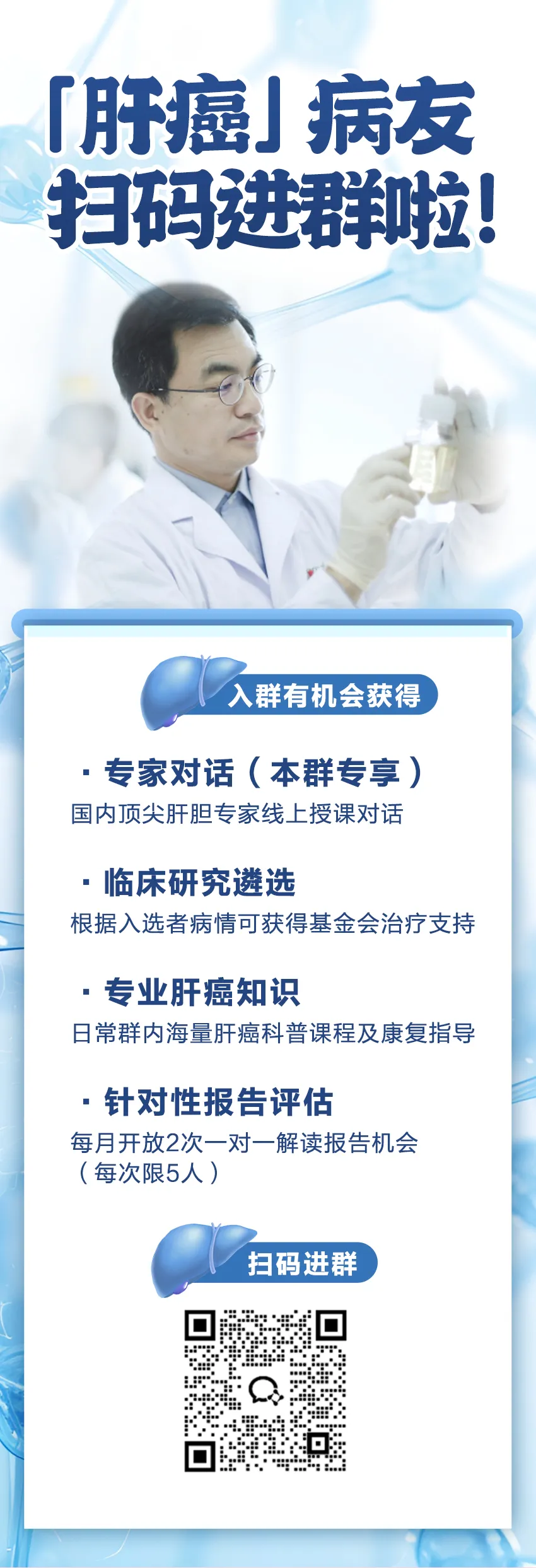
Professor Zhang Minghui from Tsinghua University has always harbored the great aspiration of "a world without diseases" and is committed to providing a patient-centered platform for patients to communicate and help each other. Whether you have just been diagnosed, are troubled by side effects, don't know how to choose a treatment plan, want to share experiences and insights, or just pour out your heart, you are welcome here!

       
In the group, there are professional experts giving lectures and enthusiastic group members for exchanges. You also have the opportunity to apply for clinical research enrollment. Join the group and enjoy a happy and healthy life!        

       
Want to know more about comprehensive treatment of liver cancer suggestions
Welcome to the Lehe New Medical Liver Cancer Exchange Group


Click on the image to view the exciting content from previous issues


Reposting is a driving force, sharing is a virtue