About Lehe
乐于心,和与众,与己乐,与人和; 心宽念纯,百病无生。


乐于心,和与众,与己乐,与人和; 心宽念纯,百病无生。


If you find it difficult to understand the subsequent professional descriptions, you can quickly read through this text in two minutes.
Overview of the disease
knowledge
Nasopharyngeal Carcinoma
Nasopharyngeal carcinoma (NPC) often presents with no symptoms or mild symptoms in its early stages, which are easily overlooked by patients. Over 70% of patients seek medical attention due to enlarged cervical lymph nodes or obvious symptoms (such as Mr. Zhao who only went to the hospital after noticing the enlargement of his neck), by which time the disease has progressed to an advanced stage, missing the opportunity for early diagnosis and treatment.
The pathological types of NPC mainly include keratinizing squamous cell carcinoma and non-keratinizing carcinoma. Keratinizing squamous cell carcinoma, also known as squamous cell carcinoma (this type is more common), is further subdivided into well-differentiated, moderately differentiated, and poorly differentiated subtypes. Non-keratinizing carcinoma, also known as lymphoepithelial carcinoma in some cases, can be divided into differentiated types (including spindle cell non-keratinizing carcinoma) and undifferentiated types (also known as nasopharyngeal undifferentiated carcinoma).
As a disease sensitive to chemotherapy and radiotherapy, radiation therapy is the primary treatment for NPC patients. Radical intensity-modulated radiation therapy has enabled the 5-year survival rate for patients with early-stage NPC to reach 87%-96%. Radiotherapy or comprehensive treatment based on radiotherapy is the preferred choice for NPC. The optimal treatment for patients with advanced NPC is still unclear, and the overall prognosis is poor. Systemic therapy is the gold standard for NPC treatment, but surgical treatment is more suitable for patients with isolated or unilateral cervical metastasis.

1. The patient completed conventional radiotherapy and chemotherapy, but non-keratinizing undifferentiated carcinoma has a high malignant degree and a high risk of recurrence and metastasis. Some undetected tumor cells may metastasize through blood vessels and lymphatic vessels, making early detection difficult.
2. Nasopharyngeal cancer often metastasizes to cervical lymph nodes through lymphatic vessels and to lungs and bones through blood vessels. NKT cell therapy has a strong protective effect on lymph nodes and organs with rich blood supply.
3. NKT therapy utilizes powerful immune cells to eliminate tumor cells that may remain undetected in the body, with essentially no side effects, making it very patient-friendly. After completing radical radiotherapy, combining it with NKT cells can effectively reduce the risk of metastatic recurrence.
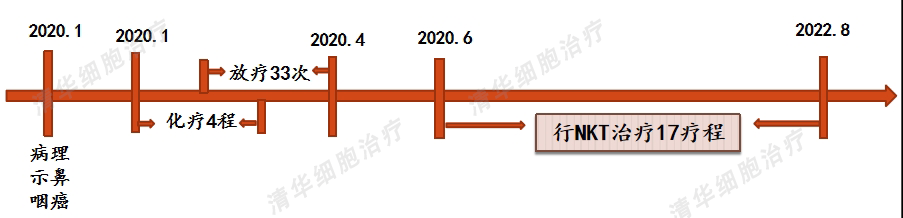
Mr. Zhao underwent NKT cell immunotherapy in June 2020 and has completed 17treatment courses (as of February 28, 202), with multiple follow-up examinations showing no significant signs of tumor progression, and the overall evaluation is stable!
Imaging
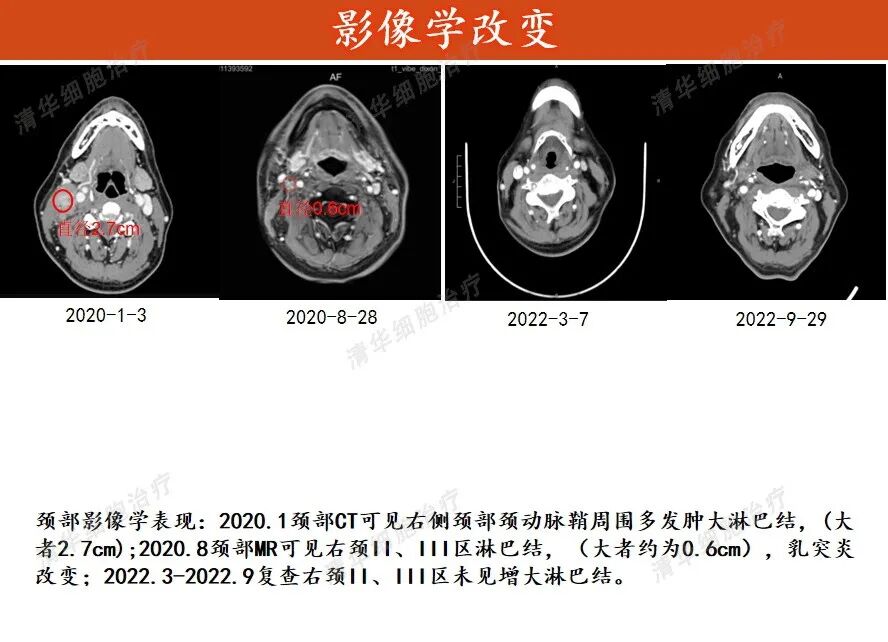
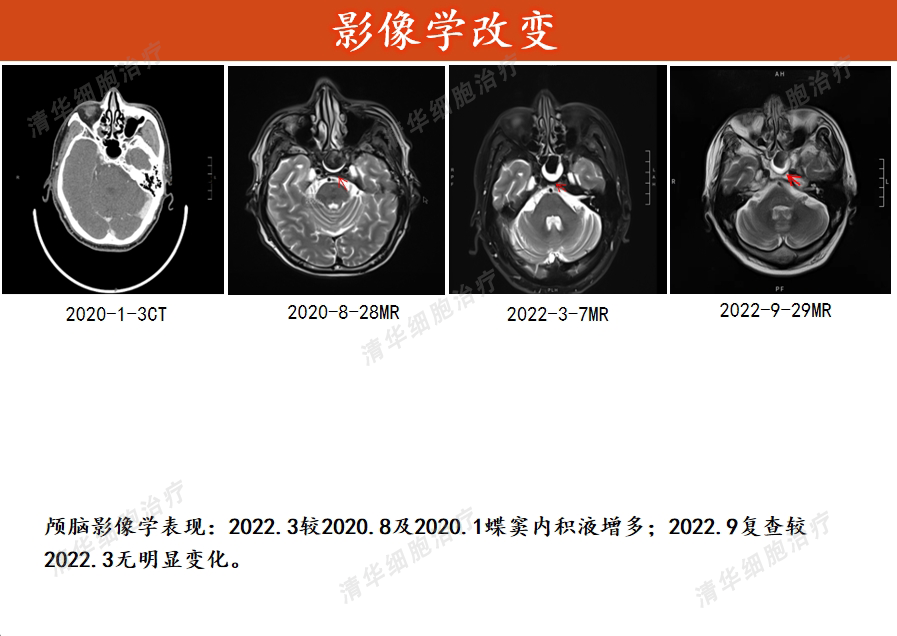
Swelling < H305>
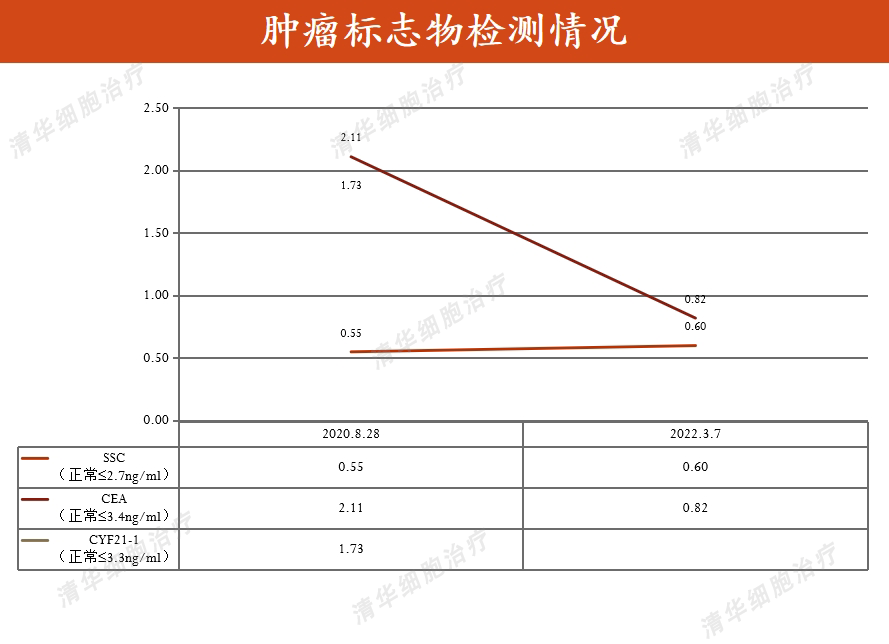
Quality of Life
Mr. Zhao's quality of life has been greatly improved. His physical strength has significantly improved compared to before treatment, and his mental state is very good, returning to the state before he got sick. He can work and live normally without being affected by the disease.
Conclusion s
Click on the image
Address: Room 1101 (Unit 101), 11th Floor, Building 1, No. 7 Courtyard, Kexueyuan Road, Life Science Park, Changping District, Beijing
Phone:010-8265 9866
Email:lehemedneo@hotmail.com